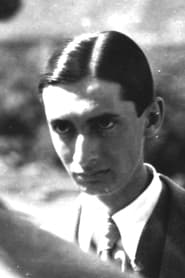
Mário Peixoto
Actor & Director
Born: March 25, 1908 in Aracaju, Sergipe, Brazil Died: February 3, 1992 Active: 1931-1931 Birth Name: Mário Rodrigues Peixoto
Films
1 film
About Mário Peixoto
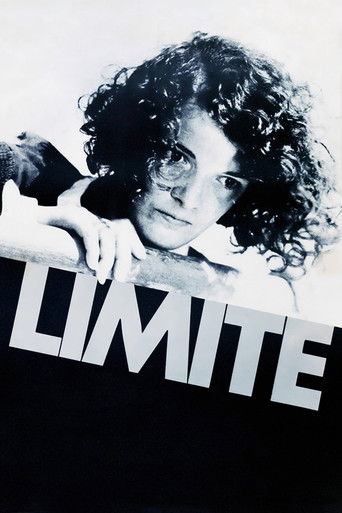
Mário Rodrigues Peixoto — Brazilian filmmaker, writer, and intellectual who created what many consider the masterpiece of early Brazilian cinema. Born into a wealthy family in Aracaju, Sergipe, he had the financial independence to pursue his artistic vision without commercial constraints. At just 22 years old, he wrote, directed, and acted in 'Limite' (1931), a film that would become in Brazilian cinema history despite being his only directorial work. The film demonstrated remarkable artistic maturity with its innovative techniques, poetic vision, and avant-garde approach that was decades ahead of its time. After 'Limite's initial limited release, Peixoto largely withdrew from filmmaking, though he continued to write poetry, essays, and engage in intellectual pursuits throughout his life. His film was rediscovered and celebrated internationally in the 1960s, leading to his recognition as one of Brazil's most important cinematic pioneers. Despite his minimal output, Peixoto's influence on Brazilian and world cinema has been profound and enduring, with 'Limite' consistently ranked among the greatest films ever made in Brazil.
The Craft
On Screen
Naturalistic and understated, contrasting with the theatrical acting common in early Brazilian cinema. His performance in 'Limite' demonstrated a subtle, introspective approach that suited the film's poetic and dreamlike atmosphere.
Behind the Camera
Avant-garde and highly experimental, characterized by non-linear narrative, innovative use of superimposition, rhythmic editing, and a poetic visual language. Influenced by European modernism and Soviet montage theory, creating dreamlike, atmospheric cinema that prioritized mood and emotion over conventional storytelling.
Milestones
- Directed 'Limite' (1931), considered one of the greatest Brazilian films ever made
- International rediscovery of 'Limite' at the 1965 Cannes Film Festival
- Recognition as a figure in avant-garde cinema
- Influence on Brazilian Cinema Novo movement of the 1960s
- Posthumous recognition as one of Brazil's most important filmmakers
Best Known For
Iconic Roles
Must-See Films
Accolades
Won
- Posthumous recognition by Brazilian Ministry of Culture
- Cultural Heritage designation for 'Limite' by Brazilian government
Nominated
- Considered for preservation in UNESCO's Memory of the World Programme
Special Recognition
- Named one of the 100 most influential figures in Brazilian cinema history
- Retrospective exhibitions at major international film festivals
- Academic recognition in Brazilian film studies
Working Relationships
Worked Often With
Studios
Why They Matter
Impact on Culture
Mário Peixoto's 'Limite' revolutionized Brazilian cinema by introducing an avant-garde aesthetic that was unprecedented in the country's film industry. The film's innovative techniques, including its non-linear narrative, poetic visual style, and experimental editing, challenged the commercial conventions of Brazilian cinema and opened doors for more artistic approaches to filmmaking. His work demonstrated that Brazilian cinema could compete artistically with European productions, inspiring generations of Brazilian filmmakers to pursue more personal and experimental visions. The film's international recognition in the 1960s helped establish Brazilian cinema's reputation on the world stage and influenced the development of the Cinema Novo movement.
Lasting Legacy
Despite having directed only one film, Mário Peixoto's legacy in cinema is profound and enduring. 'Limite' is consistently ranked among the greatest films in Brazilian cinema history and is studied in film schools worldwide as an example of avant-garde filmmaking. His work has been the subject of numerous academic studies, film retrospectives, and documentary films. Peixoto is remembered as a visionary artist who created a timeless masterpiece that transcended its era and continues to influence filmmakers today. His story represents the triumph of artistic vision over commercial constraints and serves as an inspiration for independent filmmakers everywhere.
Who They Inspired
Peixoto's innovative techniques in 'Limite' influenced multiple generations of filmmakers, particularly in Brazil. Directors of the Cinema Novo movement, such as Glauber Rocha, cited him as a major influence in developing a uniquely Brazilian cinematic language. His use of non-linear narrative, superimposition, and rhythmic editing prefigured many developments in avant-garde and art cinema. International filmmakers including Orson Welles and Jean-Luc Godard expressed admiration for his work. His approach to cinema as poetry rather than mere entertainment influenced the development of art cinema globally.
Off Screen
Mário Peixoto was born into a wealthy and influential family in northeastern Brazil, which provided him with the financial freedom to pursue his artistic vision. He was married to Carmen Santos, a Brazilian actress and producer, though their relationship was complex. After the failure of 'Limite' commercially, Peixoto retreated from public life and focused on his writing, though he remained connected to Brazil's intellectual and artistic circles. He spent his later years in Rio de Janeiro, where he continued to write and correspond with other artists and intellectuals until his death in 1992.
Education
Privately educated in Brazil and Europe, studied literature and arts extensively, was largely self-taught in filmmaking techniques
Family
- Carmen Santos (1930s-1940s)
Did You Know?
- 'Limite' was the only film Mário Peixoto ever directed
- He was only 22 years old when he made 'Limite'
- The film was shot with personal funds from his family's wealth
- 'Limite' was considered lost for decades before being rediscovered in the 1960s
- The film runs for 120 minutes but was shot with only 2,600 meters of film stock
- Peixoto wrote the screenplay based on a dream he had
- The film features no dialogue, relying entirely on visual storytelling
- International critics compared 'Limite' to the works of Buñuel and Eisenstein
- Peixoto burned many of his personal papers before his death
- The film's title was inspired by the concept of human limitations
- Despite its artistic success, 'Limite' was a commercial failure upon release
- Peixoto never made another film after 'Limite' despite numerous offers
In Their Own Words
"Cinema should be poetry, not just entertainment" - from his 1931 manifesto on film art
"I made 'Limite' not to please the public, but to express what was in my soul" - interview in 1965
"A film should be like a dream, where logic gives way to emotion" - from his writings on cinema
"The limit is not in the technique, but in the imagination" - from his director's notes
Frequently Asked Questions
Who was Mário Peixoto?
Brazilian filmmaker, writer, and intellectual who directed 'Limite' (1931), considered one of the greatest films in Brazilian cinema history. Despite making only one film, he is regarded as a figure in avant-garde cinema who was decades ahead of his time.
What films is Mário Peixoto best known for?
Titles linked here include Limite (1931).
When was Mário Peixoto born and when did he die?
Born March 25, 1908; died February 3, 1992.
What awards did Mário Peixoto win?
While Mário Peixoto received few formal awards during his lifetime, 'Limite' has been posthumously recognized by the Brazilian Ministry of Culture and designated as cultural heritage. The film has been honored at numerous international film festivals through retrospectives.
What was Mário Peixoto's directing style?
Peixoto's directing style was highly avant-garde and experimental, featuring non-linear narrative, innovative use of superimposition, rhythmic editing, and poetic visual language. His approach prioritized mood and emotion over conventional storytelling, creating dreamlike, atmospheric cinema.