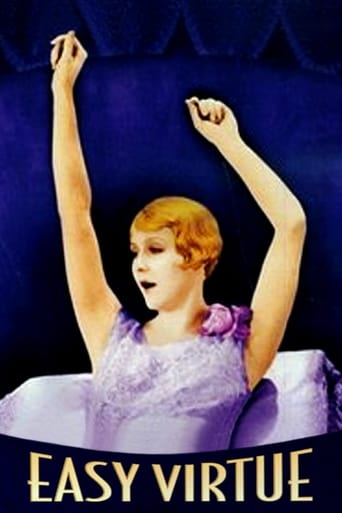

Violet Farebrother
Actor
Born: August 22, 1888 in Grimsby, Lincolnshire, England Died: September 27, 1969 Active: 1911-1969 Birth Name: Violet Mary Farebrother
Films
1 film
About Violet Farebrother
Violet Mary Farebrother — British actress whose over five decades, primarily focusing on stage performances while making notable contributions to early cinema. Born in 1888 in Grimsby, Lincolnshire, she began her theatrical career in the early 1910s and quickly established herself as a versatile character actress. Her most significant film role came in 1928 when she appeared in Alfred Hitchcock's silent film 'Easy Virtue,' based on Noël Coward's play, which showcased her ability to transition between stage and screen mediums. Throughout the 1920s and 1930s, she appeared in several British films, often playing supporting roles that demonstrated her range and depth as an actress. While her film career was relatively brief, her stage work was extensive and highly regarded, with performances in numerous West End productions. She continued acting well into her later years, maintaining her presence in British theatre and television until her death in 1969, leaving behind a legacy as a respected character actress who bridged the gap between Victorian theatre and modern entertainment.
The Craft
On Screen
Known for her naturalistic character portrayals, Violet Farebrother specialized in playing matronly figures and supporting characters with depth and authenticity. Her stage background informed her screen presence, bringing theatrical gravitas to her film roles during the transition from silent to sound cinema. She possessed a dignified bearing and expressive features that served her well in the close-ups required by film, while maintaining the projection techniques honed through years of stage experience.
Milestones
- Stage debut in 1911
- Appeared in Alfred Hitchcock's Easy Virtue (1928)
- Transitioned from silent films to early talkies
- Long-running stage career in West End productions
- Married fellow actor A. Bromley Davenport
- Continued performing into her 80s
Best Known For
Iconic Roles
Must-See Films
Accolades
Special Recognition
- Recognized as a character actress in British theatre
Working Relationships
Worked Often With
Studios
Why They Matter
Impact on Culture
Violet Farebrother represents the bridge between Victorian-era theatre and modern cinema, embodying the transition many performers made from stage to screen during the early 20th century. Her work in Hitchcock's 'Easy Virtue' places her within the context of early British cinema's development, contributing to the foundation of what would become a significant national film industry. As a character actress, she helped establish the importance of supporting roles in narrative films, demonstrating that depth performances were not limited to leading players. Her longevity in the entertainment business, spanning from the Edwardian era through the swinging sixties, made her a living connection between different generations of British performers and audiences.
Lasting Legacy
Violet Farebrother's legacy lies in her contribution to British theatre and early cinema as a reliable character actress who brought authenticity and dignity to every role. Her appearance in Hitchcock's early work ensures her place in film history, while her extensive stage career cemented her reputation as a respected theatrical performer. She represents the generation of actors who successfully navigated the technological and cultural changes in entertainment from the silent era through the television age. Her dedication to her craft and ability to adapt to new media while maintaining her classical training serves as an inspiration to actors facing similar transitions in the modern entertainment industry.
Who They Inspired
While not widely documented as a mentor to specific famous actors, Violet Farebrother's professional approach and longevity influenced younger performers through example. Her ability to maintain relevance across different entertainment mediums demonstrated the importance of versatility and adaptability in an actor's career. Her work in early British cinema, particularly in Hitchcock's formative years, contributed to the development of character acting techniques that would become standard in British film production. Her stage performances set standards for character acting that influenced subsequent generations of British theatre performers.
Off Screen
Violet Farebrother married fellow actor A. Bromley Davenport, with whom she shared both personal and professional connections in the British theatre world. The couple remained married until Davenport's death in 1949. Despite her long career, Farebrother maintained a relatively private personal life, focusing primarily on her craft and theatrical commitments. She never had children and devoted her entire life to the performing arts, becoming a respected figure in British theatrical circles.
Education
Trained in traditional British theatre techniques, though specific educational institutions are not documented in available records
Family
- A. Bromley Davenport (married until his death in 1949)
Did You Know?
- Appeared in Alfred Hitchcock's lost film 'Easy Virtue' (1928), though fragments survive
- Was primarily a stage actress with a film career spanning only about 5 years
- Married to fellow actor A. Bromley Davenport
- Born in the same year as film pioneer Buster Keaton
- Her active years covered from the Edwardian era through the 1960s
- Worked during the crucial transition period from silent films to talkies
- Part of the generation of British actors who helped establish national cinema
- Maintained an active career well into her 80s
- Represented the typical British character actress of her era
- Her film work coincided with the emergence of Alfred Hitchcock as a major director
In Their Own Words
No documented famous quotes are available in historical records
Frequently Asked Questions
Who was Violet Farebrother?
British actress born in 1888 who had a career spanning nearly six decades, primarily known for her stage work and her appearance in Alfred Hitchcock's 1928 film 'Easy Virtue'. She was a respected character actress who successfully transitioned from the Victorian theatre era through to modern film and television.
What films is Violet Farebrother best known for?
Titles linked here include Easy Virtue (1928), The First Born (1928).
When was Violet Farebrother born and when did she die?
Born August 22, 1888; died September 27, 1969.
What awards did Violet Farebrother win?
There are no documented major awards or nominations for Violet Farebrother in available records, which was common for character actresses of her era, particularly those focused primarily on stage work rather than film.
What was Violet Farebrother's acting style?
Farebrother was known for her naturalistic character portrayals, specializing in matronly and supporting roles. Her stage background brought theatrical gravitas to her film performances, and she successfully adapted her techniques for both silent films and early talkies.
Was Violet Farebrother married?
Yes, she was married to fellow actor A. Bromley Davenport, with whom she remained until his death in 1949. They shared both personal and professional connections in the British theatre world.
How long was Violet Farebrother's career?
Her career was remarkably long, spanning from her stage debut in 1911 until her death in 1969, covering nearly 60 years in the entertainment industry through multiple technological and cultural changes.