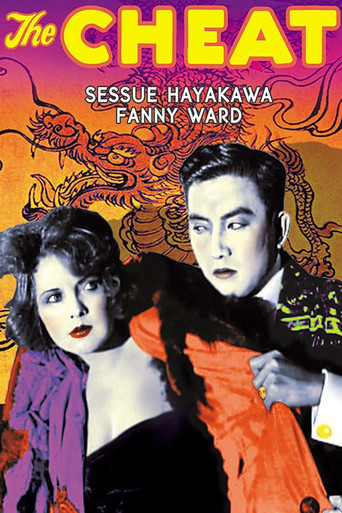
Born: February 22, 1872 in St. Louis, Missouri, USADied: January 27, 1952Active: 1915-1924Birth Name: Fannie Buchanan Ward
About Fannie Ward
Fannie Ward was a pioneering silent film actress who rose to prominence during the early years of American cinema. Born into a wealthy St. Louis family, she began her career on the Broadway stage before transitioning to films in the mid-1910s. Her breakthrough role came in 1915 when she starred in Cecil B. DeMille's controversial masterpiece 'The Cheat,' which established her as one of the era's most sophisticated and glamorous leading ladies. Ward was known for playing wealthy, fashionable women who often found themselves in moral dilemmas, a persona that resonated with audiences of the time. Her career peaked during the mid-1910s when she commanded one of the highest salaries in Hollywood, earning approximately $1,000 per week. Despite her success, her film career was relatively brief, spanning primarily from 1915 to the early 1920s. After retiring from films, she returned to her first love of theater and continued performing on stage well into her later years, cementing her legacy as a versatile performer who successfully bridged both stage and screen.
The Craft
On Screen
Fannie Ward was known for her sophisticated, elegant acting style that embodied the modern, independent woman of the 1910s. She brought a theatrical refinement to her film performances, using expressive gestures and subtle facial expressions that translated well from her stage background. Ward specialized in portraying wealthy, fashionable society women who faced moral conflicts, often playing characters who were both glamorous and morally complex. Her acting technique emphasized emotional intensity and dramatic tension, particularly effective in scenes involving betrayal or temptation. Critics praised her ability to convey both vulnerability and strength, making her characters relatable despite their privileged backgrounds.
Milestones
Breakthrough role in 'The Cheat' (1915)
Became one of Hollywood's highest-paid actresses in 1915
Successful transition from Broadway to silent films
Starred in multiple films for director Cecil B. DeMille
Returned to successful stage career after film retirement
Best Known For
Iconic Roles
Edith Hardy in 'The Cheat' (1915)
Mary in 'The Marriage of William Ashe' (1916)
Nora in
The Devil's Daughter
1915
],
signatureFilms
The Cheat (1915),The Marriage of William Ashe (1916),The Devil's Daughter (1915),Each Pearl a Tear (1916),The Years of the Locust (1916)
awards
nominations
honors
Star on the Hollywood Walk of Fame (located at 6201 Hollywood Boulevard)
personalLife
Fannie Ward led a fascinating personal life that was as dramatic as her film roles. She married diamond broker Joseph A. G. Hearn in 1898, but the marriage ended in divorce. In 1914, she married her second husband, actor Jack Dean, who frequently appeared opposite her in films. The couple had one daughter, Doris, who would later become an actress herself. Ward was known for her extravagant lifestyle and was one of the wealthiest women in Hollywood during her peak years. She maintained her glamorous image throughout her life and was known for her extensive jewelry collection and fashionable wardrobe. After retiring from films, she and her husband moved to England where she continued her stage career before eventually returning to the United States.
spouses
Joseph A. G. Hearn (1898-1910),Jack Dean (1914-1950)
children
Doris Ward Dean (1916-2000) - became an actress
education
Educated in St. Louis private schools, received formal training in dramatic arts and dance
studioAffiliations
Famous Players-Lasky Corporation,Jesse L. Lasky Feature Play Company,Paramount Pictures
frequentCollaborators
Cecil B. DeMille (director),Jack Dean (actor and husband),Sessue Hayakawa (co-star in 'The Cheat')
mentors
Cecil B. DeMille (director who helped establish her film career)
protégés
Doris Ward Dean (her daughter, whom she mentored in acting)
culturalImpact
Fannie Ward had a significant cultural impact on early Hollywood and the representation of women in cinema. Her role in 'The Cheat' was groundbreaking for its time, addressing themes of temptation, betrayal, and moral ambiguity that were controversial in 1915. The film's interracial romance subplot between her character and Sessue Hayakawa's character was particularly daring for the era and contributed to important discussions about race in American cinema. Ward's sophisticated, modern woman persona helped establish the archetype of the fashionable, independent female character that would become prevalent in 1920s cinema. Her success as one of the highest-paid actresses in early Hollywood helped pave the way for other women to demand equal pay and recognition in the film industry.
legacy
Fannie Ward's legacy in film history is primarily tied to her iconic performance in 'The Cheat,' which is now considered a masterpiece of early American cinema. The film has been preserved by the National Film Registry for its cultural and historical significance. Ward's portrayal of a complex, morally ambiguous woman challenged the simplistic gender roles common in early cinema and demonstrated the potential for sophisticated character development in silent films. Her successful transition from stage to screen and back again serves as an early example of performers who could excel across multiple entertainment mediums. Modern film scholars often cite Ward as an important figure in the development of the modern film star persona, combining glamour with dramatic depth.
influence
Fannie Ward influenced subsequent generations of actresses through her sophisticated acting style and her ability to portray complex, independent women. Her work with Cecil B. DeMille helped establish the director-star collaborative relationship that would become standard in Hollywood. The success of 'The Cheat' influenced other filmmakers to tackle more controversial themes and complex character studies in their work. Ward's glamorous yet emotionally nuanced performances set a standard for leading ladies in the 1920s, influencing actresses like Gloria Swanson and Pola Negri. Her ability to command high salaries helped establish the economic power of female stars in early Hollywood, paving the way for future generations of actresses to negotiate better contracts and creative control.
trivia
Was one of the highest-paid actresses in Hollywood in 1915, earning $1,000 per week,Began her career as a child performer in local theater productions,Made her Broadway debut in 1890 in the play 'The Devil's Deputy',Was 43 years old when she made her film debut in 'The Cheat', making her an older leading lady for the time,Her husband Jack Dean was significantly younger than her, which was unusual for the era,Owned extensive diamond jewelry, which she often wore both on and off screen,The Cheat,was considered so controversial that it was banned in several cities upon its release,Retired from films in her early 50s to return to her first love of theater,Was known for her elaborate and expensive wardrobe, both personal and for films,Her daughter Doris appeared in several films with her mother in the 1910s
famousQuotes
On her film career: 'I found that the camera was more honest than the footlights; it demanded truth in every gesture and expression.',On 'The Cheat': 'The role was challenging because it required me to show both the surface of society and the depths of human weakness.',On her acting philosophy: 'To be believable, one must first believe in the character's reality, no matter how different from one's own.',On transitioning from stage to screen: 'The stage teaches projection, but film teaches intimacy - both are valuable tools for the serious actor.'
controversies
The most significant controversy surrounding Fannie Ward was the racial themes in 'The Cheat,' where her character's relationship with Sessue Hayakawa's character was considered scandalous for 1915. The film's depiction of an interracial romance and its violent content led to it being banned or censored in several American cities. Ward's personal life also attracted attention due to her marriage to the much younger Jack Dean, which was unusual for the time and occasionally mentioned in gossip columns. Additionally, her high salary demands in 1915 caused some controversy in the industry, as she was among the first actresses to command such substantial compensation.