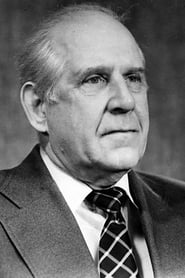
Bruno Frejndlikh
Actor
Born: 1909 in Russian Empire Active: 1952-1954 Birth Name: Bruno Arturovich Frejndlikh
Films
2 films
About Bruno Frejndlikh
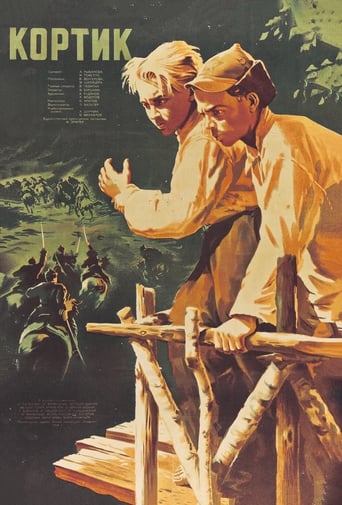
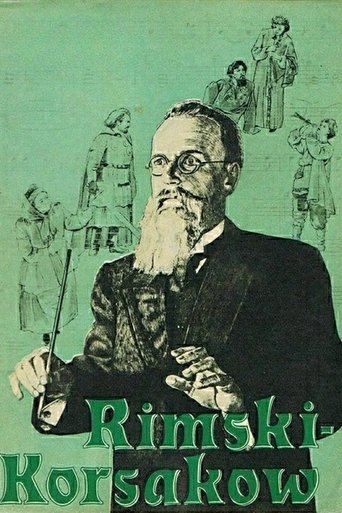
Soviet actor of Latvian Jewish descent who had a brief but notable career in the early 1950s. Born in 1909, he emerged as a character actor during the Stalin era of Soviet cinema, appearing in historical and dramatic productions. His most recognized performance came in the 1952 biographical film 'Rimsky-Korsakov,' where he portrayed a supporting role in the story of the famous Russian composer. In 1954, he appeared in 'The Cutlass' (also known as 'Korabli shturmuyut bastiony'), a historical adventure film set during the Crimean War. Despite his talent and the quality of his performances, Frejndlikh's film career remained relatively short, spanning only the early to mid-1950s. His work reflected the socialist realist aesthetic prevalent in Soviet cinema of that era, focusing on historical and patriotic themes. After his brief acting career, little is documented about his later life or other professional pursuits.
The Craft
On Screen
Frejndlikh's acting style reflected the socialist realist approach dominant in Soviet cinema during the 1950s, characterized by clear character delineation and emphasis on historical authenticity. His performances were marked by a theatrical gravitas appropriate for the historical and biographical subjects he portrayed.
Milestones
- Debut in Rimsky-Korsakov (1952)
- Notable supporting role in The Cutlass (1954)
- Participation in Soviet historical cinema of the 1950s
Best Known For
Iconic Roles
Must-See Films
Working Relationships
Worked Often With
Studios
Why They Matter
Impact on Culture
Bruno Frejndlikh contributed to the Soviet cinema tradition of historical and biographical films that served both artistic and educational purposes in the 1950s. His work in 'Rimsky-Korsakov' helped preserve and popularize Russian cultural heritage through the medium of film, while his participation in 'The Cutlass' contributed to the genre of historical adventure films that celebrated Russian military history. Though his career was brief, his performances exemplified the socialist realist approach that dominated Soviet cinema during this period.
Lasting Legacy
Bruno Frejndlikh's legacy is preserved through his contributions to two significant Soviet historical films of the early 1950s. While not a widely recognized name in cinema history, his work represents the contributions of countless character actors who formed the backbone of Soviet cinema's golden era. His performances in films about cultural and military history helped shape how Soviet audiences understood their national heritage.
Who They Inspired
As a character actor with a limited filmography, Frejndlikh's direct influence on subsequent generations of actors appears minimal. However, his work exemplified the professional standards and stylistic approaches that characterized Soviet acting during the Stalin and early post-Stalin periods, contributing to the broader tradition of historical cinema in the Soviet Union.
Off Screen
Limited information is available about Bruno Frejndlikh's personal life. As a Soviet actor of Latvian Jewish heritage working during the Stalin era, he likely faced the challenges common to artists of his background during that period. His brief film career suggests he may have had other professional pursuits or faced circumstances that limited his time in cinema.
Did You Know?
- Frejndlikh worked primarily with Lenfilm, one of the major Soviet film studios based in Leningrad
- His film career coincided with the final years of Stalin's rule and the early post-Stalin thaw
- Both of his known films were historical productions, a popular genre in Soviet cinema
- The Cutlass (1954) was one of the first Soviet widescreen films, shot using the Sovscope process
- Rimsky-Korsakov (1952) was part of a series of Soviet biographical films about famous Russian composers
- His brief active years covered only two years, suggesting he may have had other primary professional commitments
- The films he appeared in were typical of Soviet cinema's focus on educational and patriotic content
- Both of his known films are preserved in Russian state archives as significant examples of 1950s Soviet cinema
Frequently Asked Questions
Who was Bruno Frejndlikh?
Screen credits include two notable films during the early 1950s. He worked primarily in historical and biographical productions, contributing to the socialist realist tradition of Soviet cinema.
What films is Bruno Frejndlikh best known for?
Titles linked here include Rimsky-Korsakov (1952), The Cutlass (1954).
When was Bruno Frejndlikh born and when did he die?
Born 1909; died death date not listed.
What awards did Bruno Frejndlikh win?
There are no documented awards or nominations for Bruno Frejndlikh in available sources. His brief active years covered only two years, which may explain the absence of formal recognition in the historical record.
What was Bruno Frejndlikh's acting style?
Frejndlikh's acting style reflected the socialist realist approach dominant in Soviet cinema of the 1950s, characterized by theatrical gravitas and clear character delineation appropriate for historical subjects. His performances emphasized authenticity within the conventions of Soviet historical cinema.