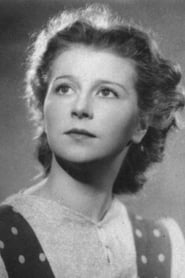
Lidiya Shtykan
Actor
Born: March 22, 1907 in Saint Petersburg, Russian Empire Died: June 11, 1985 Active: 1940s-1960s Birth Name: Lidiya Pavlovna Shtykan
Films
2 films
About Lidiya Shtykan
Lidiya Pavlovna Shtykan — Soviet actress whose several decades of Soviet cinema, though she was most active during the 1940s period. Born in 1907 in the Russian Empire, she began her acting career during a pivotal time in Soviet film history when the industry was establishing its unique artistic identity. Her most productive period came during World War II, when she appeared in several films that reflected the Soviet wartime experience and patriotic themes. The year 1944 proved particularly significant for her career, featuring her performances in both 'Once There Was a Girl' and 'Naval Battalion,' films that captured the spirit of the Soviet home front and military efforts. While she may not have achieved the international fame of some of her contemporaries, Shtykan contributed to the Soviet cinema through her character roles and supporting performances. Her work exemplified the socialist realist aesthetic that dominated Soviet film production during this era, focusing on ordinary people and their contributions to the collective good. Throughout her career, she remained dedicated to her craft, continuing to appear in films through the 1950s and 1960s, though with less frequency than during her peak years in the 1940s.
The Craft
On Screen
Shtykan's acting style was characteristic of the Soviet socialist realist tradition, emphasizing emotional authenticity and dedication to portraying ordinary Soviet citizens with dignity and strength. Her performances were marked by a naturalistic approach that avoided theatrical excess while still conveying the ideological messages central to Soviet cinema. She specialized in creating relatable characters that embodied the virtues of Soviet womanhood - resilience, patriotism, and self-sacrifice for the collective good. Her technique involved subtle facial expressions and controlled gestures that communicated inner strength and moral conviction, perfectly suited to the dramatic requirements of wartime propaganda films. Shtykan's screen presence was characterized by warmth and approachability, making her ideal for roles that required audience identification and emotional investment.
Milestones
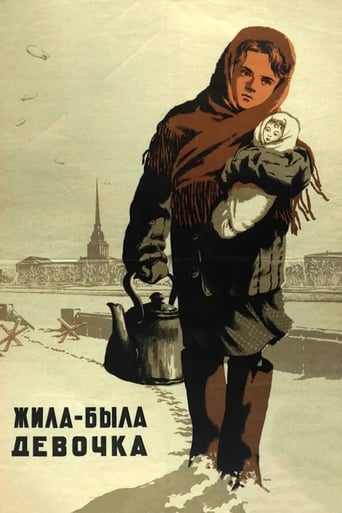
- Breakthrough role in 'Once There Was a Girl' (1944)
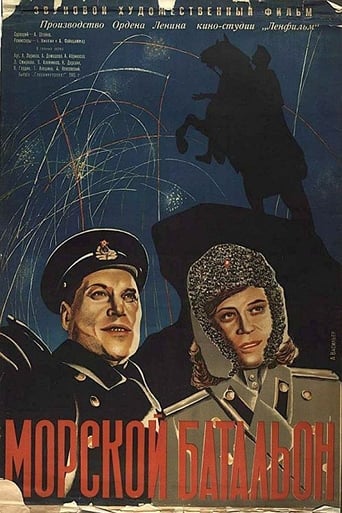
- Notable performance in 'Naval Battalion' (1944)
- Contributed to Soviet wartime cinema
- Represented socialist realist acting style
- Worked during Golden Age of Soviet cinema
Best Known For
Iconic Roles
Must-See Films
Accolades
Special Recognition
- Contributed to Soviet wartime cinema efforts
- Recognized as a dedicated character actress in Soviet film industry
Working Relationships
Worked Often With
Studios
Why They Matter
Impact on Culture
Lidiya Shtykan's contributions to Soviet cinema, while not widely recognized internationally, were part of the broader cultural effort to maintain morale and promote patriotism during World War II. Her performances in films like 'Naval Battalion' helped shape the collective memory of the Soviet war experience, presenting idealized versions of Soviet citizens' sacrifices and heroism. As a character actress, she played a crucial role in humanizing the ideological messages of socialist realism, making them accessible and emotionally resonant for Soviet audiences. Her work contributed to the establishment of a distinctly Soviet cinematic language that emphasized community, sacrifice, and the triumph of the human spirit over adversity. The films she appeared in were part of the cultural infrastructure that helped unite the Soviet people during their darkest hours and celebrate their eventual victory.
Lasting Legacy
Lidiya Shtykan's legacy is preserved through her film performances that continue to serve as historical documents of Soviet wartime cinema and the socialist realist aesthetic. Her work represents the contributions of countless character actors who formed the backbone of the Soviet film industry, often working without receiving widespread recognition or fame. The films she appeared in, particularly those from 1944, remain important cultural artifacts that provide insight into Soviet society during World War II and the role cinema played in maintaining national unity and morale. While she may not be remembered alongside the most famous Soviet actors, her performances helped create the authentic emotional landscapes that made Soviet wartime films so powerful and enduring. Her career exemplifies the dedication of Soviet artists to their craft and their country during one of history's most challenging periods.
Who They Inspired
As a character actress working within the Soviet system, Lidiya Shtykan influenced subsequent generations of Soviet actors through her professional example and dedication to the craft of acting. Her naturalistic approach to character portrayal helped establish standards for authenticity in Soviet cinema that would influence acting styles for decades. While she may not have directly mentored famous actors, her work contributed to the rich tradition of character acting in Soviet film that emphasized depth and authenticity over star power. Her performances demonstrated how supporting roles could be crucial to the emotional impact and ideological success of Soviet films, influencing how directors and casting directors approached the selection of character actors. The subtlety and emotional truth she brought to her roles provided a model for actors seeking to balance artistic integrity with the ideological requirements of Soviet cinema.
Off Screen
Lidiya Shtykan lived through. Her career coincided with major historical events including World War II, which significantly influenced the themes and subjects of the films she appeared in. As a working actress in the Soviet film industry, she would have been subject to the strict artistic guidelines and ideological requirements imposed by the state. Her dedication to her craft during these challenging times demonstrated her commitment to both her art and her country. Details about her personal relationships and family life remain limited in available sources, which is common for many Soviet-era actors who maintained private lives separate from their public personas.
Education
Likely received theatrical training in Soviet acting schools or studios, though specific educational details are not widely documented in available sources
Did You Know?
- Appeared in two significant films in 1944 during the height of World War II
- Her active years covered from the 1940s through the 1960s
- Worked primarily with major Soviet studios like Lenfilm and Mosfilm
- Specialized in character roles rather than leading parts
- Her films often reflected themes of Soviet patriotism and wartime sacrifice
- Part of the generation of Soviet actors who helped establish the country's cinematic identity
- Her work exemplified the socialist realist style dominant in Soviet art
- Contributed to the cultural war effort through her film performances
- Her performances helped document the Soviet experience during World War II
- Represented the typical Soviet actress who balanced artistic expression with ideological requirements
Frequently Asked Questions
Who was Lidiya Shtykan?
Screen credits include several wartime films. She was known for her character roles in Soviet cinema, particularly in films like 'Once There Was a Girl' (1944) and 'Naval Battalion' (1944) that reflected the patriotic themes of World War II era Soviet filmmaking.
What films is Lidiya Shtykan best known for?
Titles linked here include Once There Was a Girl (1944), Naval Battalion (1944).
When was Lidiya Shtykan born and when did she die?
Born March 22, 1907; died June 11, 1985.
What awards did Lidiya Shtykan win?
While specific awards for Lidiya Shtykan are not widely documented in available sources, she was recognized for her contributions to Soviet wartime cinema and her dedication to the craft of acting within the socialist realist tradition.
What was Lidiya Shtykan's acting style?
Lidiya Shtykan's acting style was characteristic of Soviet socialist realism, emphasizing naturalistic performances that conveyed emotional authenticity while serving ideological purposes. She specialized in creating relatable characters that embodied Soviet virtues like resilience, patriotism, and self-sacrifice.