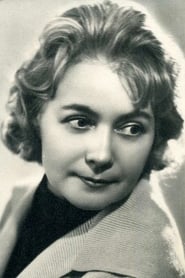
Liliya Gritsenko
Actor
Born: August 9, 1918 in Petrograd, Russian Soviet Federative Socialist Republic (now Saint Petersburg, Russia) Died: January 9, 1989 Active: 1939-1989 Birth Name: Liliya Ivanovna Gritsenko
Films
2 films
About Liliya Gritsenko
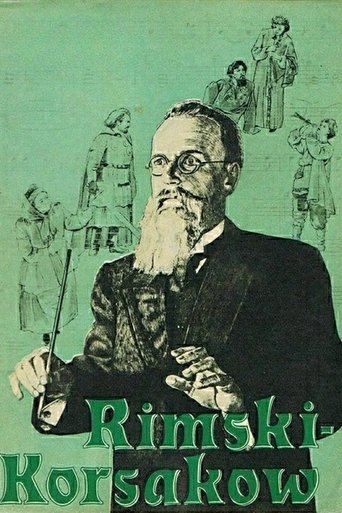
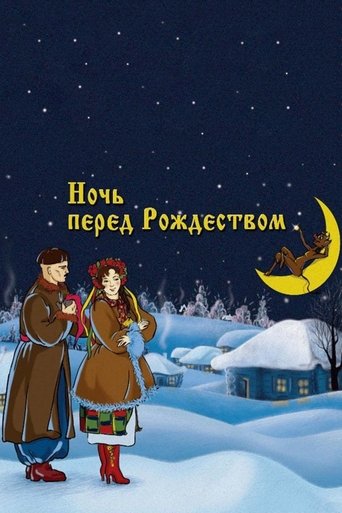
Liliya Ivanovna Gritsenko — Soviet actress whose theater and film during the mid-20th century. Born in Petrograd in 1918, she graduated from the Leningrad Theatre Institute in 1939, beginning her artistic journey during a tumultuous period in Russian history. Her theatrical career flourished as she performed at prestigious venues including the Moscow Art Theatre, where she developed her craft alongside some of the Soviet Union's most celebrated performers. Though her film career was relatively brief, it was marked by memorable performances in the early 1950s, particularly in literary adaptations that showcased her classical training. Gritsenko's portrayal of Oksana in 'The Night Before Christmas' (1951) established her as a notable film actress, bringing Gogol's beloved character to life with authenticity and charm. Her role in 'Rimsky-Korsakov' (1952) further demonstrated her ability to embody historical and literary figures with depth and nuance. Despite her limited filmography, Gritsenko remained primarily dedicated to the stage, where she continued to perform and perfect her art until her later years. Her contributions to Soviet theater and cinema on Russian performing arts, influencing subsequent generations of actors.
The Craft
On Screen
Classical and emotionally authentic, Gritsenko's acting style was rooted in the Stanislavski system, emphasizing psychological depth and naturalistic expression. Her theatrical training enabled her to bring literary characters to life with remarkable authenticity, particularly in period pieces and adaptations of Russian classics. On screen, she maintained the same level of emotional intensity while adapting her stage techniques for the camera, creating performances that were both grand and intimately human.
Milestones
- Graduated from Leningrad Theatre Institute (1939)
- Performed at Moscow Art Theatre
- Starred as Oksana in 'The Night Before Christmas' (1951)
- Appeared in 'Rimsky-Korsakov' (1952)
- Established career as a leading theatrical actress
- Married prominent actor Yevgeny Samoilov
- Mother of actress Alyona Samoilova
Best Known For
Iconic Roles
Must-See Films
Accolades
Won
- Honored Artist of the RSFSR (1969)
- People's Artist of the RSFSR (1987)
Special Recognition
- Order of the Badge of Honour
- Medal 'For Valiant Labour in the Great Patriotic War 1941–1945'
Working Relationships
Worked Often With
Studios
Why They Matter
Impact on Culture
Liliya Gritsenko made significant contributions to Soviet cultural life through her work in both theater and cinema. Her portrayal of Oksana in 'The Night Before Christmas' helped bring Gogol's classic Ukrainian tale to Soviet audiences during a period when literary adaptations were highly valued for their educational and cultural significance. Her performance in 'Rimsky-Korsakov' contributed to the Soviet tradition of biographical films about great Russian cultural figures, helping to preserve and promote national artistic heritage. As a stage actress at the Moscow Art Theatre, she participated in maintaining one of Russia's most important theatrical institutions, ensuring the continuation of classical theatrical traditions during the Soviet era.
Lasting Legacy
Liliya Gritsenko's legacy endures through her film performances, which remain important examples of Soviet cinema from the early 1950s. Her work in literary adaptations helped establish standards for bringing classic Russian literature to the screen, influencing subsequent generations of Soviet filmmakers. As a theater actress, she contributed to the preservation and evolution of Russian theatrical traditions during a period of significant political and social change. Her family's continued involvement in Russian performing arts through her daughter Alyona represents a multi-generational contribution to Russian culture.
Who They Inspired
Gritsenko influenced Soviet actresses through her dedication to classical training and her ability to seamlessly transition between stage and screen. Her performances in literary adaptations demonstrated how traditional theatrical techniques could be successfully adapted for cinema, providing a model for other actors making similar transitions. Her commitment to the Stanislavski system and classical Russian literature helped maintain these traditions within Soviet performing arts during a period when ideological pressures often threatened artistic integrity.
Off Screen
Liliya Gritsenko's personal life was closely intertwined with the Soviet artistic community. She married fellow actor Yevgeny Samoilov,. Their daughter Alyona Samoilova followed in her parents' footsteps, becoming an accomplished actress herself. Despite the pressures of Soviet artistic life during the Stalin and post-Stalin eras, Gritsenko maintained a reputation for professionalism and dedication to her craft. Her family life provided a stable foundation that supported her demanding career in both theater and film.
Education
Leningrad Theatre Institute (graduated 1939), where she received classical theatrical training under prominent Soviet acting teachers of the era.
Family
- Yevgeny Samoilov (married 1941)
Did You Know?
- Her birth name was Liliya Ivanovna Gritsenko, and she never changed it professionally
- She graduated from theater school just as World War II began, starting her career during wartime
- Her husband Yevgeny Samoilov was considered one of the Soviet Union's greatest actors
- The Night Before Christmas (1951) was directed by Aleksandr Rou, who specialized in fairy tale films
- She received the title 'People's Artist of the RSFSR' just two years before her death
- Her daughter Alyona appeared in films including Andrei Tarkovsky's 'Nostalgia'
- She was active in theater for over 40 years, though her film career was brief
- The Moscow Art Theatre where she performed was founded by Konstantin Stanislavski
- She worked during both the Stalin and post-Stalin eras of Soviet cinema
- Her films were part of the Soviet tradition of adapting classic Russian literature
In Their Own Words
The theater is not just a profession, it's a way of life that demands everything you have to give.
Playing Oksana was like bringing a piece of Ukrainian folklore to life - she's both mischievous and deeply human.
In Soviet art, we had the responsibility to both entertain and educate our audiences.
Frequently Asked Questions
Who was Liliya Gritsenko?
Soviet Russian actress known for her work in both theater and film during the mid-20th century. She gained particular fame for her roles in 'The Night Before Christmas' (1951) and 'Rimsky-Korsakov' (1952), while maintaining a long career at the Moscow Art Theatre.
What films is Liliya Gritsenko best known for?
Titles linked here include The Night Before Christmas (1951), Rimsky-Korsakov (1952).
When was Liliya Gritsenko born and when did she die?
Born August 9, 1918; died January 9, 1989.
What awards did Liliya Gritsenko win?
She was honored with the title 'Honored Artist of the RSFSR' in 1969 and later received the higher distinction of 'People's Artist of the RSFSR' in 1987, recognizing her significant contributions to Soviet performing arts.
What was Liliya Gritsenko's acting style?
Her acting style was rooted in the Stanislavski system, emphasizing psychological depth and naturalistic expression. She brought classical theatrical training to her film roles, creating performances that were both emotionally authentic and technically refined.
Was Liliya Gritsenko married?
Yes, she was married to Yevgeny Samoilov,. Their daughter Alyona Samoilova also became an actress, continuing the family's artistic legacy.