
Tula Belle
Actor
Born: 1908 in New York City, New York, United States Died: 1993 Active: 1918-1919
Films
2 films
About Tula Belle
Child actress who achieved brief but remarkable fame during the late silent film era, starring in two significant productions in 1918-1919. Her career, though lasting only two years, placed her among the notable child performers of her time. She first gained attention for her role as Mytyl in the 1918 adaptation of Maurice Maeterlinck's celebrated play 'The Blue Bird,' directed by Maurice Tourneur. Her performance was widely praised for its naturalistic quality and emotional depth, which was particularly impressive for a young actress in the early days of cinema. In 1919, she followed up this success with a role in 'Deliverance,' a film that further demonstrated her acting abilities. Despite her promising start and critical acclaim, Tula Belle's film career abruptly ended after these two productions, as was common for many child actors of the silent era who either chose different life paths or were unable to transition to more mature roles. Her brief but memorable contribution to cinema has made her a subject of interest among silent film enthusiasts and historians studying child performers of early Hollywood.
The Craft
On Screen
Tula Belle was noted for her naturalistic and emotionally authentic acting style, which was particularly remarkable for a child performer during the silent era. Unlike many child actors of her time who tended toward exaggerated gestures and melodramatic expressions common in silent films, Belle displayed a subtle and nuanced approach to her performances. Her ability to convey complex emotions through facial expressions and body language made her stand out among her contemporaries. Critics of the time praised her for avoiding the artificiality that often plagued child performances in early cinema.
Milestones
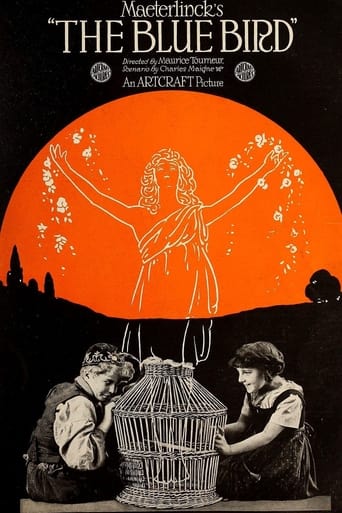
- Starred in 'The Blue Bird' (1918), a major adaptation of Maurice Maeterlinck's play
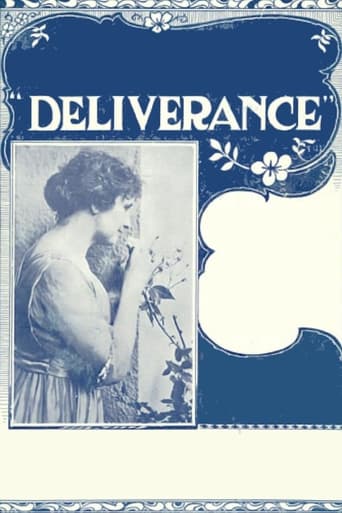
- Appeared in 'Deliverance' (1919)
- Worked with renowned director Maurice Tourneur
- Recognized as one of the promising child actresses of the late silent era
- Received critical acclaim for naturalistic acting style
Best Known For
Iconic Roles
Must-See Films
Accolades
Special Recognition
- Recognized in film history books as a notable child actress of the silent era
Working Relationships
Worked Often With
Studios
Why They Matter
Impact on Culture
Tula Belle's contribution to cinema, though brief, represents an important chapter in the history of child actors in silent films. Her performance in 'The Blue Bird' demonstrated the potential for naturalistic acting by children in cinema, challenging the prevailing tendency toward exaggerated performances. The film itself was a significant adaptation of European literature for American audiences, and Belle's central role helped bridge cultural gaps through universal emotional storytelling. Her work also contributed to the evolving understanding of how children could be effectively utilized in dramatic cinema, moving beyond mere comic relief or sentimental roles to more complex characterizations.
Lasting Legacy
Tula Belle's legacy lies primarily in her memorable performance in 'The Blue Bird,' which continues to be studied by film historians and enthusiasts of silent cinema. She represents the archetype of the child star who burned brightly but briefly, a common phenomenon in early Hollywood. Her films, particularly 'The Blue Bird,' survive as important examples of late silent-era cinema and demonstrate the sophisticated storytelling techniques being developed during this period. Belle's natural acting style influenced subsequent generations of child performers, showing that emotional authenticity could be more powerful than theatrical exaggeration. Today, she is remembered in film history books and archives as one of the promising young talents of the silent era whose career serves as a window into the challenges and opportunities faced by child actors in early Hollywood.
Who They Inspired
While Tula Belle's direct influence on later performers is difficult to trace due to her brief career, her naturalistic acting style in 'The Blue Bird' helped pave the way for more authentic child performances in cinema. Her work demonstrated that child actors could carry complex emotional narratives without resorting to the exaggerated techniques common in silent film. This approach influenced directors and casting agents in subsequent years to seek more naturalistic performances from young actors. The critical acclaim she received also helped establish the credibility of child actors as serious dramatic performers rather than merely novelty acts or scene-stealing sidekicks.
Off Screen
After her brief but notable film career ended in 1919, Tula Belle largely disappeared from public life and the entertainment industry. Like many child actors of the silent era, she chose to pursue a normal life away from the spotlight. She eventually married and started a family, living a private life far removed from her early fame. Details about her adult life remain scarce, which was common for performers from this era who chose privacy over continued public attention. Her later years were spent away from Hollywood, and she rarely discussed her brief acting career in interviews or public appearances.
Education
Limited information available, likely attended regular schooling after her acting career ended
Family
- Unknown (married in adulthood)
Did You Know?
- Her career lasted only two years (1918-1919) but included two major film productions
- 'The Blue Bird' was
- The film was an adaptation of a Nobel Prize-winning play by Maurice Maeterlinck
- Tula Belle was approximately 10 years old when she starred in 'The Blue Bird'
- Her co-star in 'The Blue Bird' was Robin Macdougall, who played her brother Tyltyl
- Director Maurice Tourneur was known for his artistic approach to filmmaking and his ability to work with child actors
- Like many silent films, 'The Blue Bird' featured color tinting in certain scenes to enhance the magical atmosphere
- Her performance was praised by contemporary critics for its naturalness and emotional depth
- After retiring from films, she completely disappeared from public life, making her a mysterious figure in film history
- Both of her known films survive and are preserved in film archives
Frequently Asked Questions
Who was Tula Belle?
Child actress who had a brief but notable career in silent films during 1918-1919. She is best remembered for her starring role as Mytyl in the 1918 film 'The Blue Bird,' an adaptation of Maurice Maeterlinck's celebrated play. Despite her promising start and critical acclaim, her film career lasted only two years before she retired from acting.
What films is Tula Belle best known for?
Titles linked here include The Blue Bird (1918), Deliverance (1919).
When was Tula Belle born and when did she die?
Born 1908; died 1993.
What awards did Tula Belle win?
There are no recorded awards or formal nominations for Tula Belle's work, as the Academy Awards were not established until 1929, after her career had already ended. However, she did receive significant critical acclaim for her performances, particularly for her naturalistic acting style in 'The Blue Bird,' which was praised by contemporary film critics.
What was Tula Belle's acting style?
Tula Belle was known for her naturalistic and emotionally authentic acting style, which was unusual for child actors in the silent era. Unlike many of her contemporaries who used exaggerated gestures and melodramatic expressions, Belle conveyed emotions through subtle facial expressions and genuine reactions. Critics particularly praised her ability to avoid artificiality while maintaining the emotional depth required for her dramatic roles.
Why did Tula Belle's career end so quickly?
While the exact reasons for Tula Belle's abrupt departure from films are not definitively documented, it was common for child actors in the silent era to have very short careers. Many either chose to pursue normal childhoods and education, could not transition to adult roles, or their families decided to remove them from the demanding entertainment industry. Belle retired from acting at approximately age 11 and never returned to the film industry.
What happened to Tula Belle after her acting career?
After retiring from films in 1919, Tula Belle largely disappeared from public life. She married, had a family, and lived a private life away from Hollywood. Like many former child stars of her era, she rarely discussed her brief film career and maintained her privacy throughout her adult years. Details about her later life remain limited, reflecting her choice to live outside the public eye.