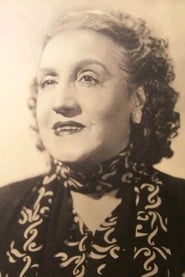
Amelia Chellini
Actor
- Active
- 1915-1915
Films 1
About Amelia Chellini
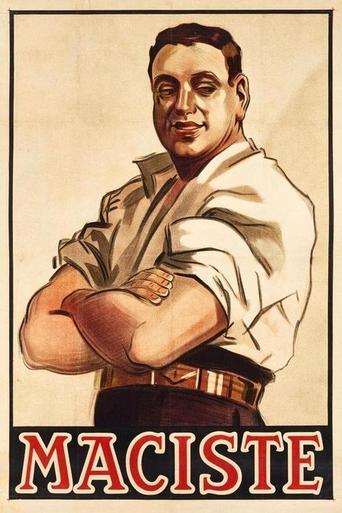
Amelia Chellini was an Italian silent-era film actor whose known screen work appears to have been concentrated in the mid-1910s. The surviving film record currently ties her name to the historical peplum adventure Maciste (1915), part of the cycle of Italian sword-and-sandal spectacles that helped define the international reputation of Italy's early cinema. Very little biographical information about her has survived in standard film reference sources, which is not unusual for performers from the silent period, especially those whose careers were brief or whose work was not heavily documented in contemporary trade papers. Based on the available filmography, she was active at least in 1915, and there is no reliable public evidence yet of a longer career in later silent films or in sound cinema. Because records are sparse, details such as her birth date, birthplace, education, family life, and death date remain unverified in accessible sources. Even with limited documentation, her presence in Maciste places her within one of the most significant industrial and stylistic movements of early Italian cinema, where performers contributed to the creation of an internationally recognizable screen mythology. Her surviving credit is a useful reminder of how many silent-film artists were important to their moment yet remain only faintly documented today.
More about Amelia Chellini
On screen
No detailed performance descriptions have survived in readily accessible reference sources. As a silent-era performer in an Italian production, her acting would have relied on expressive physicality, gesture, and visually legible emotion rather than spoken dialogue. Any specific assessment beyond that would be speculative, since no contemporary reviews or surviving criticism focused on her individual style has been reliably identified.
In film history
Amelia Chellini's cultural significance lies less in a widely documented star persona and more in her participation in Italian silent cinema at a crucial moment of international expansion. Maciste belonged to the heroic adventure tradition that made Italian historical epics and spectacle films famous worldwide in the 1910s, and even a single surviving credit places her within that influential production environment. Performers like Chellini helped populate these films with the supporting human detail that made the larger-than-life worlds convincing to audiences. Her recorded work contributes to the larger cultural memory of the Maciste phenomenon, which influenced later adventure cinema and the global appeal of strongman imagery in film.
Later reputation
Her legacy is primarily archival and historical: Amelia Chellini is one of many early cinema performers whose names survive in filmographies even when biographies do not. That in itself is important, because the reconstruction of silent-era film history depends on identifying the artists who participated in otherwise fragmentary productions. Her association with Maciste links her to a landmark branch of Italian popular cinema that helped shape the visual grammar of heroic spectacle, action, and mythic masculine adventure. While she does not currently have a widely documented star legacy, her preserved credit ensures that she remains part of the historical record of the silent film era. For researchers and database compilers, she is a reminder of how incomplete early cinema documentation can be and how much of film history still depends on continued archival discovery.
Influence
There is no specific, documented evidence that Amelia Chellini directly mentored other performers or exerted a traceable influence on later named actors. Her broader influence is indirect: as part of the cast of an early Italian adventure film, she contributed to a mode of production and performance that later filmmakers and historians recognize as foundational to the peplum and spectacle traditions. The surviving record of her work helps illustrate the collaborative nature of silent cinema, where even lesser-documented actors shaped the texture and credibility of early screen storytelling. In that sense, her influence is embedded in the historical fabric of early Italian cinema rather than in a clearly documented personal lineage of mentorship or imitation.
Off screen
No reliable, widely documented information is currently available about Amelia Chellini's personal life. Standard reference sources do not appear to preserve verified details about her marriages, children, household, or later life. This absence of information is common for many silent-era European performers whose careers were short, localized, or insufficiently covered in surviving press and studio records. Until archival research uncovers additional documentation, any attempt to specify family relationships or private history would be conjectural.
Credits
- Appeared in the 1915 Italian silent feature Maciste, associated with the famous Maciste film cycle
- Documented as an active screen performer during the formative years of Italian silent cinema
- Represents the many early film actors whose work survives mainly through production records and incomplete filmographies
- Participated in one of the era's internationally recognized adventure spectacles, helping populate the world of early Italian popular cinema
Roles
- Role in Maciste (1915)
Films
- Maciste (1915)
Notes
- Her known screen career, at least in surviving reference records, is extremely short and centered on a single year: 1915.
- She is associated with the Maciste cycle, one of the most famous strands of Italian silent adventure cinema.
- Like many silent-era performers, she is better preserved in filmographic listings than in biographical accounts.
- No reliable surviving public record has been located for her birth date, birthplace, or death date in standard reference sources.
- Her documented career highlights how much early film history depends on incomplete archival evidence.
- Her name appears in connection with a film tradition that helped define Italy's international cinematic identity in the 1910s.
Questions
Who was Amelia Chellini?
Amelia Chellini was an Italian silent-era film actor known from surviving film records, including a credit in Maciste (1915). Very little biographical information about her has survived in accessible reference sources, which is common for many performers from early cinema.
What films is Amelia Chellini best known for?
She is currently best known for Maciste (1915), the early Italian adventure film associated with the famous Maciste cycle. No other reliably documented screen credits have been confirmed in the available source record.
When was Amelia Chellini born and when did she die?
Her birth date and death date are not currently verified in accessible reference sources. Likewise, her birthplace and later life details remain undocumented in the surviving public record.
What awards did Amelia Chellini win?
No awards or nominations are currently documented for Amelia Chellini. This is not unusual for silent-era supporting performers, especially those whose careers were brief and whose records were not extensively preserved.
What was Amelia Chellini's acting style?
No detailed contemporary critical description of her individual acting style has been reliably identified. As a silent-film actor, her performance would have depended on gesture, expression, and physical presence rather than spoken dialogue.
Why is Amelia Chellini important to film history?
She is important as part of the historical record of early Italian silent cinema, especially the Maciste adventure tradition. Even where biographies are sparse, these performers help reconstruct how silent films were made and who participated in them.