1915 · Approx. 75 minutes

Also available on: Archive.org
Maciste

Maciste

1915 Approx. 75 minutes Italy
Heroic rescuePhysical courageCelebrity and screen identityFemale vulnerability and agencyGood versus conspiracy

Plot

A young girl is driven into flight by a band of conspirators and takes refuge in a movie theater, where she sees Cabiria and becomes inspired by the heroic strongman Maciste. Convinced that only he can help her, she sets out to find him in person and plead for assistance against the men pursuing her. Maciste agrees to intervene and, as he travels with her, the pair are forced through a chain of perilous escapes, chases, and confrontations that mix action with comic business. The film builds toward Maciste using his strength, courage, and resourcefulness to outwit the conspirators and protect the girl, turning the screen hero of Cabiria into the central figure of a new adventure. In keeping with early Italian spectacle cinema, the plot is simple but heavily dependent on physical performance, visual movement, and episodic thrills rather than dialogue-driven complexity.

About the Production

Release Date 1915
Production Itala Film
Filmed In Turin, Italy

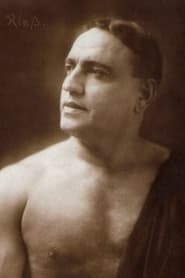
Maciste was made as a follow-up vehicle for Bartolomeo Pagano, whose performance as the slave Maciste in Cabiria made him an unexpected star. The film is notable as one of the earliest spin-off star vehicles in feature-film history, explicitly built around a character who had previously functioned as a supporting figure in another film. As with many Italian productions of the period, detailed surviving production records are limited, so precise budgetary data and full location documentation are not securely available. The film belongs to the grand tradition of Italian silent spectacle, but it also leans into comedy and light adventure to differentiate itself from the more monumental tone of Cabiria.

Historical Background

Maciste was released in 1915, during a period of intense upheaval in Europe as World War I was underway and Italy was moving from neutrality toward full wartime involvement. At the same time, Italian cinema was in one of its great early international moments, especially in the historical-spectacle and epic-adventure genres that had made studios like Itala Film famous. The film matters historically because it shows how rapidly the international film industry was beginning to understand character branding, audience attachment, and spin-off potential. It also reflects the silent-era fascination with muscular heroism, visual spectacle, and physically expressive acting at a moment when cinema was still defining its own commercial grammar. Within the broader history of film, Maciste is important as an early example of a recurring screen persona whose appeal transcended a single story and generated an extended cycle of productions.

Why This Film Matters

Maciste helped cement one of the most enduring heroic figures in Italian popular culture. The character’s popularity extended far beyond this single film, eventually turning Maciste into a flexible screen icon who could be reimagined in historical epics, adventures, fantasy stories, and later peplum and genre films. The movie is also culturally significant for demonstrating how a film character could become a marketable brand in the early twentieth century, long before the modern franchise system. Film historians often cite it as a landmark in the evolution of star cinema because Bartolomeo Pagano’s persona became inseparable from the role. Its influence can be felt in the broader development of action heroes, strongman imagery, and the international appeal of physically dominant but fundamentally benevolent protagonists.

Making Of

The most important behind-the-scenes fact about Maciste is its industrial purpose: it was produced to extend the popularity of Bartolomeo Pagano after his breakthrough in Cabiria. Rather than inventing a new hero from scratch, the film converted an already beloved supporting character into the center of a new narrative, anticipating franchise logic that would later become standard in cinema. Luigi Romano Borgnetto directed the film within the Itala Film system, where large-scale silent productions often relied on elaborate visual staging, outdoor action, and carefully composed set pieces. Surviving documentation is limited, so many specifics about day-to-day production, crew practices, and shooting schedule remain uncertain, but the film clearly reflects the commercial and artistic ambitions of early Italian cinema. Its existence also demonstrates how quickly producers recognized the marketability of Pagano's physique, screen presence, and heroic image.

Visual Style

The film’s visual style belongs to early Italian silent adventure cinema, emphasizing clarity of action, theatrical staging, and strong pictorial composition. Like many productions of the period, it likely relies on long takes, lateral movement, and carefully framed action to keep the physical business readable to audiences. The emphasis would have been on the body of Pagano as a visual spectacle, with camera placement designed to showcase strength, pursuit, and rescue set pieces. While not known for experimental camerawork, it is representative of the polished, large-scale visual storytelling associated with Italian silent epics. Its cinematography serves the narrative efficiently, allowing the audience to follow escalating peril and comedic beats through gesture and movement alone.

Innovations

Maciste is not chiefly remembered for a single breakthrough technical invention, but it is technically important for its sophisticated use of character continuity across films. The production helped prove that cinematic identity could be built around recurring personas, not just one-off stories, which was a major commercial innovation for the period. As an early Italian adventure film, it also demonstrates the mature integration of physical action, scenic staging, and star performance that made the nation’s silent epics internationally competitive. Its significance lies in the way it transforms a supporting role into an expandable franchise center, an achievement in narrative and industrial design more than in mechanics.

Music

As a silent film, Maciste originally had no synchronized recorded soundtrack. Like most screenings of the era, it would have been accompanied live by a pianist, small ensemble, or theater orchestra depending on venue and exhibition context. No definitive original cue sheet or commissioned score is securely established in widely available records. Modern presentations of silent films like this one may use reconstructions, archival accompaniments, or newly commissioned music, but the original musical experience would have varied from cinema to cinema.

Memorable Scenes

  • The opening setup in which the frightened girl hides inside a movie theater and watches Cabiria before deciding to seek Maciste himself.
  • The first meeting between the girl and Maciste, which establishes the handoff from screen legend to active protector.
  • The repeated peril-and-rescue episodes that showcase Maciste’s strength and persistence as he shields the girl from her pursuers.
  • The finale in which Maciste overcomes the conspirators through a combination of physical power, ingenuity, and bravado.

Did You Know?

  • Maciste is a direct spin-off of Cabiria (1914) and is among the earliest examples of a film franchise built around a supporting character.
  • Bartolomeo Pagano was not originally a professional actor; he became famous largely through the success of his portrayal of Maciste.
  • The film helped establish Maciste as a recurring screen hero who would go on to appear in many later films over several decades.
  • Because the title character had already become a popular icon, the film was effectively designed to capitalize on audience recognition of the Cabiria phenomenon.
  • The mixture of action, chase material, and comedy reflects a transitional period in Italian cinema, when spectacle films often blended genres to broaden audience appeal.
  • Maciste is historically important not just as a sequel or spin-off, but as an early demonstration that a cinema character could outgrow the film that introduced him.
  • The film is frequently discussed in film-history writing as one of the earliest instances of a star vehicle centered on an already-established fictional persona.
  • Surviving information on the production is comparatively sparse, which is typical for many silent films from the 1910s.
  • The Maciste cycle became one of the most durable names in European popular cinema, with later films using the character in settings far removed from the original Italian historical-adventure context.

What Critics Said

Contemporary critical response is not well preserved in widely accessible detailed form, but the film was evidently successful enough to justify continuing the Maciste character in subsequent productions. In historical retrospect, critics and scholars regard it as an important transitional work: less ambitious than Cabiria in scale, but highly significant as a star-centered adventure built on audience affection for a secondary character. Modern assessment tends to focus on its industrial importance, its place in the evolution of sequel and franchise thinking, and its value as a document of early Italian popular cinema. It is now generally treated as a key title in film history rather than as a major artistic masterpiece in isolation. The film’s reputation rests chiefly on cultural and industrial significance rather than on surviving reputation for formal innovation or critical controversy.

What Audiences Thought

Audience response appears to have been favorable enough for Maciste to become a recurring attraction. The core appeal was immediate and easy to grasp: a familiar heroic strongman returning in new adventures, now placed at the center of the narrative. Early viewers were likely drawn to the film’s blend of danger, physical feats, and comic relief, along with the novelty of seeing a character they recognized from Cabiria continue to live on screen. The film also fit the silent-era taste for visible action and sensational rescue plots, which made it accessible to broad audiences across language barriers. Its success is best measured by the longevity of the character and the expansion of the Maciste cycle that followed.

Film Connections

Influenced By

  • Cabiria (1914)
  • Italian historical epics of the 1910s
  • Silent-era strongman films and popular adventure melodramas

This Film Influenced

  • The later Maciste cycle of films
  • Subsequent Italian strongman and peplum adventures
  • Early film franchise and spin-off culture in cinema

Film Restoration

The film is preserved in surviving form, though like many silent-era works it may circulate in archival or restored editions depending on print availability. Some sources and archives indicate that it survives as an extant silent feature rather than as a lost film, but the exact completeness and restoration status can vary by archive and release source.

Themes & Topics

strongmanrescuechaseconspiracysilent adventurespin-offheroic actiontheater audiencephysical comedy