

Olga Khodatayeva
Director
Born: January 20, 1899 in Moscow, Russian Empire Died: January 1, 1978 Active: 1928-1952 Birth Name: Olga Pavlovna Khodatayeva
Films
6 films

About Olga Khodatayeva
Soviet animator and director who in the development of early Soviet animation. She began her career in the late 1920s during the formative years of Soviet animation, working alongside other pioneers like Ivan Ivanov-Vano and the Brumberg sisters. Khodatayeva specialized in adapting Russian folk tales and children's stories into animated films, creating works that combined artistic merit with educational value. Her most productive period spanned from the late 1920s through the 1940s, during which she directed numerous short animated features for Soviet children. She worked primarily at the state-run animation studios that would eventually become Soyuzmultfilm, contributing to the establishment of a distinctly Soviet animation aesthetic. Her films often featured moral lessons aligned with Soviet educational values while maintaining artistic sophistication. Khodatayeva was among the first women to achieve prominence as an animation director in the Soviet Union, breaking gender barriers in a male-dominated field. Her career continued into the early 1950s, after which she gradually reduced her directorial activities.
The Craft
Behind the Camera
Olga Khodatayeva's directing style emphasized clear storytelling with strong educational and moral components, characteristic of Soviet children's animation. Her films featured simplified character designs that were easily recognizable for young audiences, with movements that were expressive but not overly complex. She incorporated traditional Russian artistic elements and folk motifs into her visual vocabulary, creating a distinctly Soviet aesthetic that drew from cultural heritage. Her pacing was deliberate and measured, ensuring that narrative points were clearly communicated to child viewers. Khodatayeva often used music and sound design to enhance emotional impact and reinforce story elements.
Milestones
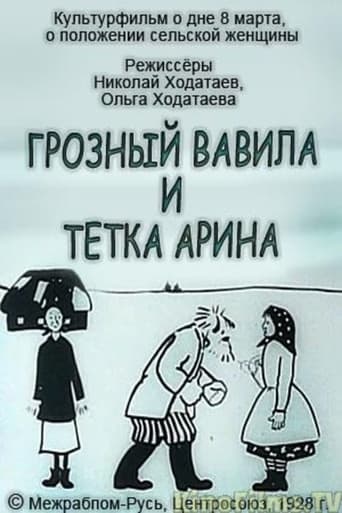
- Directed one of the earliest Soviet animated sound films 'Terrible Vavila and Auntie Arina' (1928)
- Pioneered animation techniques at the first Soviet animation studios
- Adapted classic Russian and international folk tales for animation
- Contributed to the development of Soviet animation pedagogy
- Mentored younger animators during the formative years of Soyuzmultfilm
Best Known For
Must-See Films
Accolades
Won
- Honored Artist of the RSFSR (1969)
Special Recognition
- Pioneer of Soviet Animation recognition
- Featured in Soviet animation retrospectives
- Honored at Moscow International Film Festival animation programs
Working Relationships
Worked Often With
Studios
Why They Matter
Impact on Culture
Olga Khodatayeva significantly contributed to the establishment of animation as a legitimate art form and educational tool in the Soviet Union. As one of the first women animation directors, she helped pave the way for greater gender equality in the Soviet animation industry. Her adaptations of folk tales helped preserve and popularize Russian cultural heritage through the medium of animation, making traditional stories accessible to new generations of Soviet children. Her work exemplified the Soviet approach to children's entertainment, which combined artistic quality with ideological and educational purposes. The technical and stylistic innovations she developed during the transition from silent to sound animation influenced the broader development of Soviet animation techniques.
Lasting Legacy
Olga Khodatayeva's legacy endures through her contributions to the foundation of Soviet animation and her role in establishing animation as a medium for children's education and entertainment. Her films continue to be studied as examples of early Soviet animation aesthetics and storytelling techniques. She is remembered as a trailblazer for women in animation and as a key figure in the development of the distinctive Soviet animation style that would later gain international recognition. Her work has been preserved and restored by Russian film archives, ensuring that future generations can study and appreciate these early examples of Soviet animation artistry.
Who They Inspired
Khodatayeva influenced subsequent generations of Soviet and Russian animators through her innovative approaches to adapting folk tales and her technical contributions to early animation methods. Her emphasis on combining artistic merit with educational value became a hallmark of Soviet children's animation. The visual language she developed, incorporating traditional Russian artistic elements, influenced the aesthetic direction of Soyuzmultfilm for decades. Her success as a female director in a male-dominated field inspired other women to pursue careers in animation direction and production.
Off Screen
Olga Khodatayeva dedicated her life primarily to her artistic work and the development of Soviet animation. She was part of the first generation of Soviet animators who helped establish the industry from its earliest days. Her commitment to animation education extended beyond her own films, as she participated in training programs for young animators. She lived through the major transformations of Russian and Soviet history, from the Russian Revolution through World War II and the post-war period.
Education
Studied at Vkhutemas (Higher Art and Technical Studios) in Moscow during the 1920s, where she was exposed to avant-garde artistic movements that influenced her animation style. She also received specialized training in early animation techniques through the state-sponsored animation workshops that emerged in the Soviet Union during the 1920s.
Did You Know?
- One of the first women to direct animated films in the Soviet Union
- Her brother Nikolai Khodataev was also a Soviet animator
- Worked during the transition from silent to sound animation in the USSR
- Many of her films were adaptations of Russian folk tales and international children's stories
- Her film 'Little Mook' (1938) was based on a German fairy tale by Wilhelm Hauff
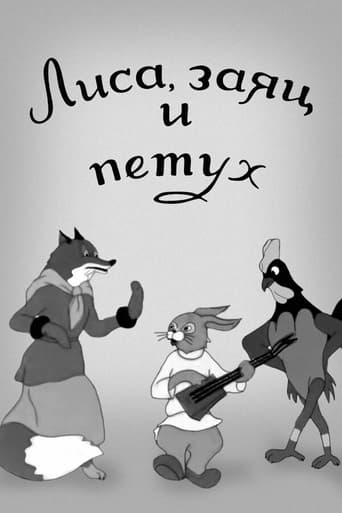
- Survived and continued working during World War II, creating 'Fox, Hare and Rooster' in 1942
- Participated in the development of animation education programs in the Soviet Union
- Her early films were made using cut-out animation techniques before transitioning to cel animation
- Received state recognition late in her career with the title 'Honored Artist of the RSFSR'
- Her films were rarely seen outside the Soviet Union during her lifetime due to political restrictions
In Their Own Words
Animation is not just entertainment for children, but a powerful tool for education and cultural preservation.
Every frame must serve both the story and the moral lesson we wish to impart to our young viewers.
In adapting folk tales, we must honor our cultural heritage while making these stories relevant to Soviet children.
Frequently Asked Questions
Who was Olga Khodatayeva?
Soviet animation on YTB.my. She was one of the first women to achieve prominence as an animation director in the Soviet Union and specialized in adapting folk tales and children's stories into animated films.
What films is Olga Khodatayeva best known for?
Titles linked here include Terrible Vavila and Auntie Arina (1928), Tom Thumb (1938).
When was Olga Khodatayeva born and when did she die?
Born January 20, 1899; died January 1, 1978.
What awards did Olga Khodatayeva win?
She was awarded the title 'Honored Artist of the RSFSR' in 1969, which was one of the highest cultural honors in the Russian Soviet Federative Socialist Republic. She also received recognition as a pioneer of Soviet animation.
What was Olga Khodatayeva's directing style?
Her directing style emphasized clear storytelling with educational and moral components, featuring simplified character designs and traditional Russian artistic elements. She used deliberate pacing and incorporated music to enhance emotional impact, creating films that were both entertaining and educational for Soviet children.