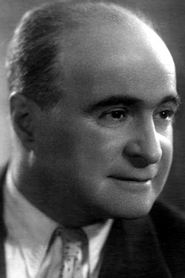
Lev Atamanov
Director
Born: February 21, 1905 in Moscow, Russian Empire Died: February 12, 1981 Active: 1931-1975 Birth Name: Lev Konstantinovich Atamanov
Films
4 films

About Lev Atamanov
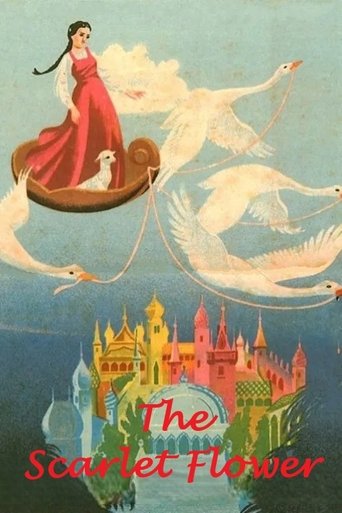
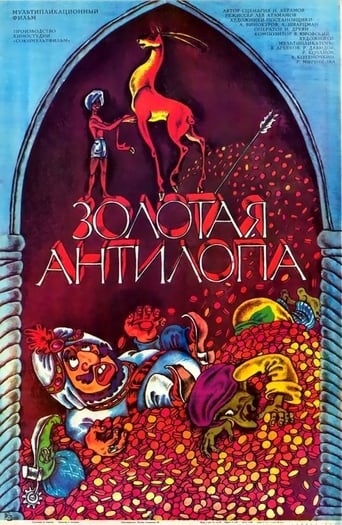
Helped shape the golden age of Russian animation. Born in Moscow in 1905, he began his career in the early 1930s and quickly established himself as talented directors at the Soyuzmultfilm studio. Atamanov specialized in creating beautifully animated adaptations of fairy tales and folklore, bringing Russian and international stories to life with distinctive visual style and emotional depth. His most celebrated works include 'The Scarlet Flower' (1952), considered a masterpiece of Soviet animation, and 'The Golden Antelope' (1954), which won international acclaim. Throughout his career, Atamanov developed a reputation for his meticulous attention to detail, rich color palettes, and ability to convey complex emotions through animation. He continued directing films into the 1960s and 1970s, mentoring younger animators and contributing to the development of Soviet animation techniques. His work represents some of the finest examples of traditional hand-drawn animation from the Soviet era, combining artistic excellence with storytelling that appealed to both children and adults.
The Craft
Behind the Camera
Atamanov was known for his romantic and lyrical directing style, emphasizing emotional storytelling through beautiful visuals. His approach combined traditional Russian artistic sensibilities with innovative animation techniques, creating films that were both visually stunning and emotionally resonant. He paid meticulous attention to color composition, character design, and fluid animation, often incorporating elements of Russian folk art and classical painting into his work.
Milestones
- Directed first Soviet color animated film 'The Scarlet Flower' (1952)
- Won Cannes Film Festival Award for 'The Golden Antelope' (1954)
- Pioneered fairy tale adaptations in Soviet animation
- Mentored generations of Soviet animators
- Directed over 20 animated films spanning four decades
Best Known For
Must-See Films
Accolades
Won
- Order of the Badge of Honour (1955)
- Honored Artist of the RSFSR (1964)
- People's Artist of the RSFSR (1978)
- Cannes Film Festival Best Short Film Award for 'The Golden Antelope' (1954)
- Venezia Film Festival Award for 'The Scarlet Flower' (1952)
Nominated
- Multiple Soviet State Prize nominations
- Various international film festival nominations
Special Recognition
- Stalin Prize nominee
- Honored Worker of Culture of the RSFSR
- Soyuzmultfilm Studio Lifetime Achievement Award
Working Relationships
Worked Often With
Studios
Why They Matter
Impact on Culture
Lev Atamanov played a crucial role in establishing Soviet animation as a respected art form internationally. His fairy tale adaptations helped define the aesthetic and narrative style of Soviet animation, emphasizing artistic beauty and emotional depth over commercial appeal. His films were among the first Soviet animations to achieve international recognition, winning awards at prestigious festivals like Cannes and Venice. Atamanov's work influenced generations of animators both within the Soviet Union and internationally, particularly in the realm of hand-drawn animation and fairy tale adaptations. His films continue to be studied as classics of the medium and are regularly featured in animation retrospectives worldwide.
Lasting Legacy
Lev Atamanov's legacy endures through his timeless animated films that remain beloved classics in Russia and beyond. He established a tradition of artistic excellence in Soviet animation that influenced subsequent generations of animators. His techniques in color composition, character animation, and storytelling became foundational elements of the Soviet animation school. Many of his films, particularly 'The Scarlet Flower' and 'The Golden Antelope,' are considered masterpieces of world animation and continue to be screened at film festivals and animation retrospectives. Atamanov's emphasis on combining artistic merit with accessibility helped demonstrate that animation could be both high art and popular entertainment.
Who They Inspired
Atamanov influenced numerous animators through his work at Soyuzmultfilm, where he served as both director and mentor. His visual style and storytelling approach can be seen in the work of later Soviet animators like Fyodor Khitruk and Yuri Norstein. His fairy tale adaptations established a template for how traditional stories could be adapted for animation while maintaining their cultural essence. International animators have cited his work as an example of how hand-drawn animation can achieve painterly beauty and emotional depth. His techniques in character design and movement continue to be studied in animation schools worldwide.
Off Screen
Lev Atamanov was married to fellow animator Valentina Atamanova, with whom he collaborated on several projects. The couple had two children, one of whom (Alexander Atamanov) also pursued a career in animation. Atamanov was known for his dedication to his craft, often working long hours at the studio and mentoring young animators. He was described by colleagues as a perfectionist with a gentle demeanor who inspired loyalty and respect from his animation teams.
Education
Studied at Vkhutemas (Higher Art and Technical Studios) in Moscow, graduated in 1927 with degree in graphic arts and animation
Family
- Valentina Atamanova (married 1930s-1981)
Did You Know?
- 'The Scarlet Flower' was the first Soviet animated film produced in full color
- Atamanov initially wanted to be a painter before discovering animation
- His films were often censored or modified to fit Soviet ideological requirements
- He worked as an animator on the first Soviet sound film 'The Tale of the Priest and of His Workman Balda' (1933)
- Atamanov's 'The Golden Antelope' was based on an Indian fairy tale, showing his interest in international folklore
- He survived Stalin's purges despite working in a field often targeted by the regime
- His animation techniques were studied by Walt Disney Studios during cultural exchanges in the 1950s
- Atamanov was one of the few Soviet directors allowed to travel abroad for film festivals during the Cold War
- He continued working even after suffering a stroke in the early 1970s
- His films were frequently dubbed and distributed throughout the Eastern Bloc and other communist countries
In Their Own Words
Animation is not just drawing pictures that move; it's creating poetry with light and shadow
Every fairy tale has a soul, and our job as animators is to give that soul a visible form
The most important thing in animation is not the technical perfection but the emotional truth
We don't just draw for children; we draw for the child that remains in every adult
Color in animation is like music in film - it speaks directly to the heart
Frequently Asked Questions
Who was Lev Atamanov?
Soviet animation on YTB.my. He worked primarily at Soyuzmultfilm studio from the 1930s through the 1970s, specializing in fairy tale adaptations that combined artistic beauty with emotional storytelling.
What films is Lev Atamanov best known for?
Titles linked here include The Scarlet Flower (1952), The Golden Antelope (1954).
When was Lev Atamanov born and when did he die?
Born February 21, 1905; died February 12, 1981.
What awards did Lev Atamanov win?
Atamanov won numerous awards including the Cannes Film Festival Best Short Film Award for 'The Golden Antelope' (1954), the Venice Film Festival Award for 'The Scarlet Flower' (1952), and was named People's Artist of the RSFSR in 1978. He also received the Order of the Badge of Honour in 1955.
What was Lev Atamanov's directing style?
Atamanov's directing style was characterized by romantic and lyrical storytelling with meticulous attention to visual beauty. He emphasized rich color compositions, fluid character animation, and emotional depth, often incorporating elements of Russian folk art and classical painting into his animated films.