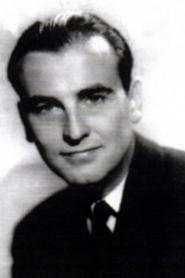
Fred Shields
Actor
- Active
- 1943-1943
Films 1
About Fred Shields
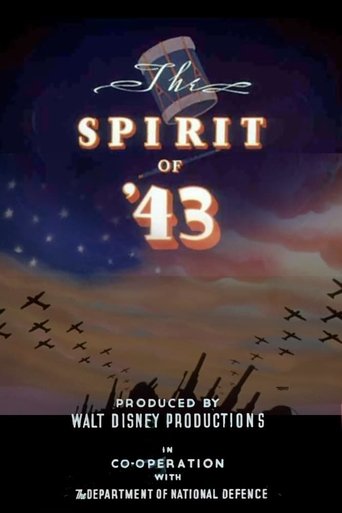
Fred Shields is best remembered as a character actor and voice performer in short-form and animated material from the early 1940s, with his screen credit in Disney's wartime propaganda short The Spirit of '43 (1943) serving as the most readily identifiable classic-cinema reference point. Available film documentation suggests that his on-screen career was brief and concentrated in 1943, making him one of many supporting performers whose work was largely confined to specialty shorts rather than feature-length studio productions. Because surviving mainstream biographical records for him are extremely limited, much of what can be said with confidence is tied to his credited appearance in that Disney short and to the era's broader practice of using working actors and announcer-type voices for narration and patriotic films. He appears to have functioned as a reliable studio voice and supporting presence rather than a star, which was common in the wartime studio system where short subjects, morale films, and educational pieces used actors with clear diction and authoritative delivery. The lack of an extended credited filmography, interviews, or press coverage suggests that he did not build a large public celebrity profile. Even so, his association with The Spirit of '43 places him within an important cultural moment, when Hollywood animation was mobilized to address wartime behavior, consumerism, and national duty. In the surviving historical record, Fred Shields remains a minor but genuine figure of classic American cinema, chiefly preserved through the archival importance of that film.
More about Fred Shields
On screen
No detailed performance analysis survives in the public record for Fred Shields, but his work can be understood in the context of early-1940s supporting and voice performers who relied on clear diction, measured delivery, and an authoritative presence. In wartime shorts like The Spirit of '43, such performers typically were cast for their ability to sound earnest, trustworthy, and conversational without drawing attention away from the film's message. His style, insofar as it can be inferred, was likely functional and service-oriented rather than flamboyant or highly individualized. That quality was often essential in shorts and narration-heavy productions where the performer helped frame the film's moral or civic argument.
In film history
Fred Shields's cultural impact is modest but real, arising from his presence in a historically significant Disney wartime short rather than from celebrity status. The Spirit of '43 is part of the larger tradition of animated morale films that attempted to shape public behavior during World War II, and every performer attached to such productions contributed to their persuasive power. Even though Shields is not a marquee name, his work belongs to a body of cinema that influenced how American audiences encountered patriotism, thrift, taxation, and wartime responsibility through popular media. In that sense, his contribution is embedded in a wider cultural apparatus where even small credited roles helped deliver messages to millions of viewers.
Later reputation
Fred Shields's legacy lies primarily in archival preservation. He is one of many lesser-known performers whose names endure because of a single surviving or widely referenced credit, yet those credits matter because they document the collaborative nature of studio-era filmmaking. For researchers and database users, his presence in The Spirit of '43 provides a traceable link to the production culture of 1940s Disney shorts and to the larger wartime film effort in Hollywood. His legacy is therefore less about stardom than about representation: he stands for the many working actors whose labor supported classic cinema from behind the scenes or within short subjects that have survived the passage of time.
Influence
There is no evidence that Fred Shields exerted a widely documented influence on other actors or directors in the conventional star system sense. His importance is better understood as part of the general influence of dependable character and voice performers who made studio shorts effective and credible. Performers like Shields helped establish the tone of wartime messaging films, where calm authority and naturalistic speech were often more persuasive than dramatic excess. In that broader sense, his work contributed to a performance model that other short-subject narrators and supporting players could emulate.
Off screen
No reliable public biographical record has been located that details Fred Shields's personal life, family background, marriages, or private associations. Unlike major studio personalities of the period, he does not appear to have been the subject of extensive newspaper profiling, fan-magazine coverage, or archival biographies. As a result, his off-screen life remains largely undocumented in the accessible classic-cinema record. Any fuller account would require archival research in studio records, union files, or contemporary trade publications.
Credits
- Credited screen association with Disney's wartime short The Spirit of '43 (1943)
- Participation in early-1940s short-form classic cinema rather than feature-film stardom
- Representation of the many specialized supporting performers who gave voice and presence to wartime propaganda and educational films
- Preservation in film history through an animated short that remains studied for its wartime messaging and Disney's social commentary
- A documented career footprint that reflects the studio-era use of reliable voice and character performers in shorts
Roles
- On-screen or voice performance in The Spirit of '43 (1943)
Films
- The Spirit of '43 (1943)
Studios
- Walt Disney Productions
Notes
- Fred Shields is most clearly associated with a single credited classic-cinema title, The Spirit of '43 (1943).
- His surviving filmography footprint is extremely small, which makes him a minor but identifiable figure in Disney wartime production history.
- The Spirit of '43 is a wartime propaganda short, linking Shields to the home-front messaging of World War II-era Hollywood.
- Because he is so sparsely documented, he is easy to confuse with other people of similar names in historical records.
- His screen presence appears to belong to the world of shorts and voice work rather than feature-film stardom.
- His career illustrates how many classic-era performers worked briefly or anonymously in support of studio projects without becoming household names.
- He is preserved in film history largely through credits rather than through surviving interviews or publicity.
- His recorded activity in 1943 places him squarely in the wartime production boom when studios created educational, morale, and patriotic films.
Questions
Who was Fred Shields?
Fred Shields was a minor classic-cinema performer best known for his association with the 1943 Disney wartime short The Spirit of '43. The available record suggests a brief screen presence, likely in a voice or supporting capacity, rather than a long feature-film career. He is preserved in film history mainly through this credit.
What films is Fred Shields best known for?
He is best known for The Spirit of '43 (1943). That short is the key surviving credit linked to his name in classic-cinema records and is the work most likely to be cited in film databases.
When was Fred Shields born and when did he die?
His birth and death dates are not reliably documented in the accessible classic-cinema record. Because of that, both the date and place of birth, as well as any death information, remain unavailable here.
What awards did Fred Shields win?
No awards or nominations are currently documented for Fred Shields in the surviving public record. He appears to have been a working performer whose historical value comes from his credited contribution to a notable wartime short rather than from formal industry honors.
What was Fred Shields's acting style?
His exact performance style is not described in surviving biographical sources, but his likely strengths were clarity, authority, and a reliable delivery suited to short-form studio work. In wartime shorts such as The Spirit of '43, that kind of understated, persuasive presence was especially important.
What is Fred Shields's legacy in film history?
His legacy is archival and historical rather than celebrity-based. He represents the many lesser-known actors and voice performers who helped make classic studio shorts effective, especially during World War II when Hollywood produced a large number of patriotic and educational films.