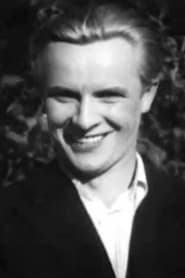
Ihor Savchenko
Actor & Director
Born: October 11, 1906 in Vinnytsia, Russian Empire (now Ukraine) Died: January 17, 1946 Active: 1934-1944 Birth Name: Ihor Oleksandrovych Savchenko
Films
2 films
About Ihor Savchenko
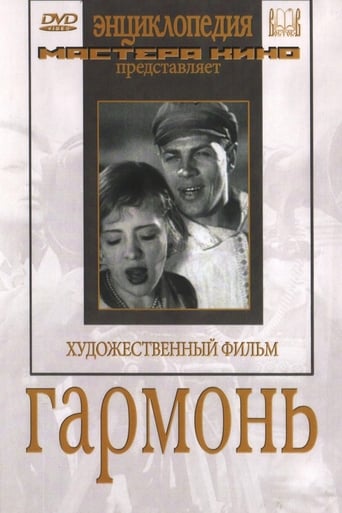
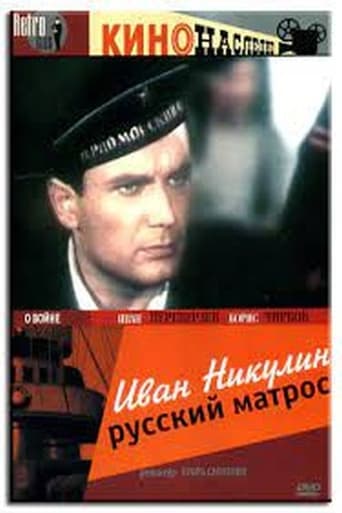
Prominent Soviet Ukrainian film director and actor who emerged as distinctive voices in Soviet cinema during the 1930s and early 1940s. Born in Ukraine, Savchenko began his career in the arts as an actor before transitioning to directing, where he would leave his most significant mark on cinema history. His directorial debut came with the 1934 film 'Accordion,' which also featured him in an acting role, demonstrating his versatility as a filmmaker. Savchenko developed a reputation for creating films that combined artistic innovation with socialist themes, often focusing on stories of ordinary Soviet citizens and their contributions to society. His work during the 1930s established him as a director capable of navigating the complex demands of Soviet cultural policy while maintaining artistic integrity. His final film, 'Ivan Nikulin: Russian Sailor' (1944), was completed posthumously and to his commitment to portraying Soviet heroism during World War II. Tragically, Savchenko's promising career was cut short when he died at the young age of 39, leaving behind a legacy that influenced subsequent generations of Soviet filmmakers.
The Craft
On Screen
Savchenko's acting style, as demonstrated in 'Accordion,' reflected the theatrical traditions of early Soviet cinema, emphasizing clear emotional expression and character archetypes that resonated with working-class audiences. His performances were characterized by a naturalistic approach that avoided excessive melodrama while still conveying the ideological messages central to Soviet art.
Behind the Camera
Savchenko's directing style combined poetic visual language with strong narrative clarity, often employing innovative camera techniques and dynamic editing to enhance storytelling. He was known for his ability to balance artistic experimentation with the ideological requirements of Soviet cinema, creating films that were both visually striking and politically acceptable. His work frequently featured ensemble casts and emphasized collective heroism over individual achievement.
Milestones
- Directed debut film 'Accordion' (1934)
- Established as major Soviet director in the 1930s
- Created innovative war films during WWII
- Directed 'Ivan Nikulin: Russian Sailor' (1944)
- Pioneered Ukrainian cinema within Soviet framework
Best Known For
Iconic Roles
Must-See Films
Accolades
Won
- Stalin Prize (1942, posthumously for 'The Cavalrymen')
- Order of the Red Banner of Labour
Nominated
- State Prize of the USSR (multiple nominations)
Special Recognition
- Artist of the RSFSR
- Named among influential Soviet directors of the 1930s-40s
Working Relationships
Worked Often With
Studios
Why They Matter
Impact on Culture
Ihor Savchenko played a crucial role in establishing a distinct Ukrainian voice within Soviet cinema, helping to develop regional film industries while maintaining national cultural identity. His films contributed to the development of the Soviet war film genre, particularly in their portrayal of ordinary citizens as heroes. Savchenko's work helped bridge the gap between avant-garde cinematic techniques and the more accessible narrative styles preferred by Soviet authorities, demonstrating how artistic innovation could serve ideological purposes. His influence extended beyond his own films through his teaching and mentorship of younger filmmakers in both Ukraine and Russia.
Lasting Legacy
Savchenko's legacy lives on through his contributions to both Ukrainian and Soviet cinema, particularly his work in combining artistic innovation with accessible storytelling. His films continue to be studied as examples of how creative artists navigated the complex demands of working within totalitarian systems while maintaining artistic integrity. The themes and techniques he developed in his war films influenced subsequent generations of Soviet and post-Soviet filmmakers. Despite his premature death, Savchenko's body of work represents a significant chapter in the history of 20th-century cinema, particularly in understanding the relationship between art and politics in the Soviet context.
Who They Inspired
Savchenko influenced subsequent Soviet and Ukrainian directors through his innovative visual style and his ability to balance artistic experimentation with ideological requirements. His approach to depicting war and heroism influenced the development of the Soviet war film genre throughout the 1940s and 1950s. Younger Ukrainian filmmakers, particularly those working during the Khrushchev Thaw, cited Savchenko as an important influence on their attempts to create national cinema within the Soviet system. His techniques for integrating poetic imagery with narrative storytelling were studied and adapted by directors across the Soviet Union.
Off Screen
Ihor Savchenko was deeply involved in the Soviet cultural scene and was known for his dedication to developing Ukrainian cinema within the broader Soviet film industry. His life was marked by the challenges and opportunities of working as a creative artist under Stalin's regime, where artistic freedom was limited but state support for cinema was substantial. Despite his relatively short career, Savchenko managed to establish himself as a significant figure in Soviet cultural life.
Education
Graduated from the Odessa Film Institute (1928), Studied at the State Institute of Cinematography (VGIK) in Moscow
Family
- Valentina Savchenko (married 1930s until his death)
Did You Know?
- Died at age 39, cutting short a promising career
- His final film 'Ivan Nikulin: Russian Sailor' was completed by his colleagues after his death
- Was one of the few directors who successfully worked in both Ukrainian and Russian cinema
- Studied under both Eisenstein and Pudovkin at VGIK
- His film 'Accordion' was one of the first Soviet musical films
- Savchenko was known for mentoring young actors and directors
- During WWII, he worked as a war correspondent while making films
- His films were praised for their technical innovation despite ideological constraints
- He was part of the first generation of Soviet directors trained entirely in the Soviet system
- His work was temporarily suppressed during the Zhdanov Doctrine period but later rehabilitated
In Their Own Words
Cinema must serve the people, but it must never cease to be art
Every frame should carry both meaning and beauty
The camera is our weapon in the fight for a better world
To make films about ordinary people is to make films about heroes
Artistic innovation and socialist realism are not enemies but partners
Frequently Asked Questions
Who was Ihor Savchenko?
Prominent Soviet Ukrainian on YTB.my. He was known for combining artistic innovation with socialist themes in his films, particularly in works like 'Accordion' and 'Ivan Nikulin: Russian Sailor'.
What films is Ihor Savchenko best known for?
Titles linked here include Accordion (1934), Ivan Nikulin: Russian Sailor (1944).
When was Ihor Savchenko born and when did he die?
Born October 11, 1906; died January 17, 1946.
What awards did Ihor Savchenko win?
Savchenko received the Stalin Prize posthumously in 1942 for 'The Cavalrymen' and was awarded the Order of the Red Banner of Labour. He was also named a Artist of the RSFSR.
What was Ihor Savchenko's directing style?
Savchenko's directing style combined poetic visual language with strong narrative clarity, using innovative camera techniques and dynamic editing. He balanced artistic experimentation with Soviet ideological requirements, creating films that were both visually striking and politically acceptable.