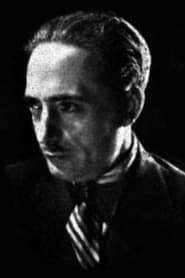
Gennaro Righelli
Director
- Born
- August 16, 1886, Rome, Italy
- Died
- June 27, 1949
- Active
- 1910s-1940s
Films directed 2
About Gennaro Righelli
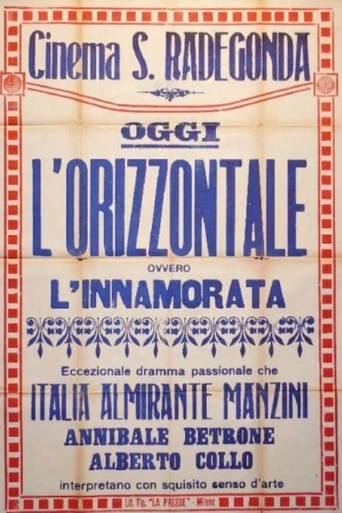
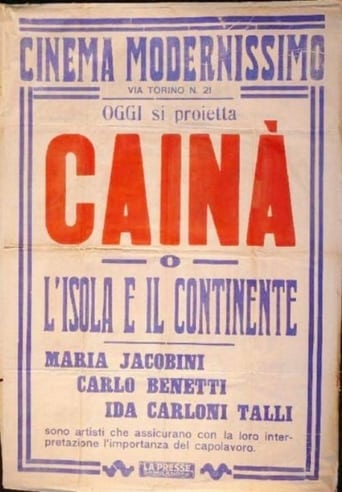
Gennaro Righelli was an Italian film director and screenwriter whose career bridged the silent era and the coming of sound, making him one of the important craftsmen of early European cinema. He was active as a filmmaker from the 1910s into the 1940s, and his work included historical dramas, literary adaptations, melodramas, and prestige productions made in Italy and later in Germany. Righelli directed the silent films L'innamorata (1920) and Cainà (1922), the latter among the better-known titles from his early career and representative of the refined dramatic style favored by Italian cinema of the period. As with many directors of his generation, much of his reputation rests on a prolific body of work rather than a small number of globally famous titles, but he was respected for his professionalism and his ability to handle emotionally charged narratives. He was part of the generation that helped establish Italy's place in international silent cinema, and he continued working through the transition to sound, when many silent-era filmmakers found their careers disrupted. Righelli's career also reflects the movement of European film talent across national industries during the interwar years, especially between Italy and Germany. His films and surviving documentation show a director attentive to atmosphere, staging, and performance, with a strong emphasis on visual storytelling in the silent period.
More about Gennaro Righelli
Behind the camera
Righelli's directing style is best understood through the conventions of Italian silent and early sound cinema: controlled mise-en-scène, strong visual emphasis, and melodramatic framing that privileged emotional clarity. His surviving reputation suggests a filmmaker who favored expressive staging and polished narrative construction rather than avant-garde experimentation. In the silent era, his work would have depended on elegant compositions, carefully directed performances, and a clear sense of dramatic escalation. He appears to have been especially effective with romantic and melodramatic material, where atmosphere and emotional tone were central to the storytelling. Like many directors of his generation, he adapted his style to the requirements of sound without abandoning the narrative discipline learned in silent film.
In film history
Gennaro Righelli contributed to the development of Italian silent cinema during a period when the nation was still internationally influential in prestige filmmaking. His career helps illustrate the continuity between the grand visual storytelling of the silent era and the more industrialized, dialogue-based early sound period. Even though he is not among the most internationally famous names of classic European cinema, his work forms part of the professional foundation on which later Italian film culture was built. His films reflect the tastes of early twentieth-century audiences for melodrama, romance, and literary or socially inflected drama, all of which were central to the evolution of mainstream European cinema. He also represents the transnational exchange of talent in European film, moving between production centers and helping connect Italian filmmaking with broader continental trends.
Later reputation
Righelli's lasting legacy lies in his role as a steady, accomplished director whose career spanned a crucial transformation in film history. He belongs to the generation of filmmakers who defined silent-era visual storytelling and then carried their craft into sound, preserving continuity across a technological revolution. While his name is not as universally recognized as some of his contemporaries, he remains an important figure for scholars tracing the development of Italian cinema in the 1910s, 1920s, and beyond. His work is part of the historical record of how European directors adapted to changing audience expectations, industrial practices, and national film cultures. In that sense, his legacy is as much about durability and adaptation as about any single canonical masterpiece.
Influence
Righelli influenced the professional culture of Italian filmmaking by demonstrating that a director could move successfully from silent to sound production and remain active across different markets. His career helped model the versatile, production-oriented filmmaker who could handle melodrama, adaptation, and commercial storytelling with equal competence. Although there is limited evidence of direct mentorship, his body of work contributed to the lineage of Italian popular cinema and the standards of craftsmanship expected of mainstream directors. His films are useful to historians studying how silent-era aesthetics persisted into the early sound years and how Italian directors negotiated international career paths.
Off screen
Publicly available biographical information about Righelli's private life is limited compared with later film figures, and standard reference sources focus mainly on his filmography and professional activity. He was born in Rome and worked in the European film industry during a period of rapid artistic and industrial change. Detailed information about marriages, domestic life, or family relationships is not consistently documented in widely available classic-cinema references. Because of this, his personal life remains less visible than his work as a director.
Education
No reliable, widely cited information about formal education is readily available in standard film reference sources.
Credits
- Established himself as a director during the silent era in Italian cinema, when the country was still a major force in international film production.
- Directed L'innamorata (1920), one of the notable early titles associated with his career.
- Directed Cainà (1922), a silent melodrama that remains among the best-known films connected with his name.
- Successfully continued working into the sound era, demonstrating adaptability at a time when many silent-era directors struggled to remain relevant.
- Worked across national film industries, including Italian and German production contexts, reflecting the transnational nature of European cinema in the interwar years.
- Built a long career as a dependable director of literary, dramatic, and commercial features rather than relying on one singular signature title.
- Helped shape the professional transition from ornate silent storytelling to more dialogue-driven early sound filmmaking.
Films
- L'innamorata (1920)
- Cainà (1922)
Studios
- Italian silent film production companies
- German film production companies
Notes
- He was born in Rome, placing him at the center of Italy's early cinematic and theatrical culture.
- He directed both silent films and early sound-era productions, spanning one of the most disruptive transitions in film history.
- Cainà (1922) is one of the more frequently cited titles associated with his silent-era output.
- His career reflects the cross-border movement common among European filmmakers between Italy and Germany in the interwar period.
- He is remembered more as a working director and screenwriter than as a celebrity personality, which is common for many silent-era craftsmen.
- Because he worked during the early decades of cinema, much of his reputation depends on archival filmography rather than extensive contemporary publicity.
- His filmography suggests a strong association with melodrama and dramatic features rather than comedy or experimental cinema.
- He remained active long enough to witness the full transition from silent film aesthetics to the sound era.
Questions
Who was Gennaro Righelli?
Gennaro Righelli was an Italian film director and screenwriter active from the silent era into the early sound period. He is remembered as a dependable craftsman of Italian and European cinema, especially for dramatic and melodramatic features.
What films is Gennaro Righelli best known for?
He is particularly associated with L'innamorata (1920) and Cainà (1922), two of the key titles linked to his silent-era output. His broader career included many other features, but these remain among the most recognizable works attached to his name.
When was Gennaro Righelli born and when did he die?
He was born on August 16, 1886, in Rome, Italy, and died on June 27, 1949. His life and career covered a crucial period in the development of European cinema.
What awards did Gennaro Righelli win?
No major awards or formal honors are widely documented in the standard references commonly used for classic cinema personalities. Like many directors of the silent era, his recognition is primarily historical and filmographic rather than award-based.
What was Gennaro Righelli's directing style?
His style was rooted in the expressive storytelling traditions of silent Italian cinema, with an emphasis on visual clarity, dramatic staging, and emotional intensity. He appears to have been especially suited to melodrama and narrative features that depended on atmosphere and performance.
What was Gennaro Righelli's legacy in film history?
Righelli's legacy lies in his contribution to the continuity of Italian filmmaking across the silent-to-sound transition. He represents the generation of directors who helped establish professional standards in early European cinema and kept working through major industrial change.