Rune Carlsten
Director
- Active
- 1919-1919
Films directed 1
About Rune Carlsten
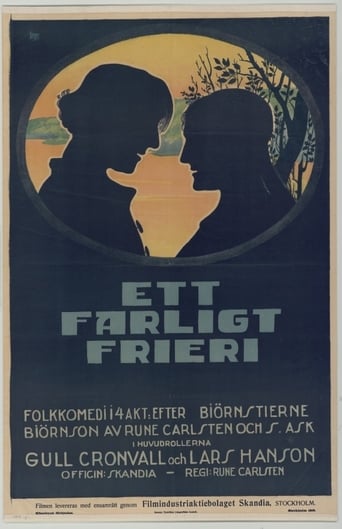
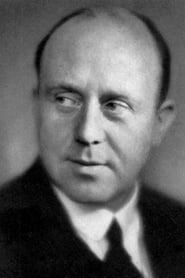
Rune Carlsten was a Swedish film director active during the silent era, best known in surviving filmographies for directing the 1919 production A Dangerous Courtship. He belongs to the generation of early Scandinavian filmmakers who worked in the formative years of feature cinema, when film direction was still closely tied to stage craft and literary adaptation. Because his career is sparsely documented in widely available English-language sources, relatively little is securely known today about his full life beyond his association with early Swedish cinema. The evidence that does survive suggests he worked at the threshold between the silent screen and the maturing national film industries of Northern Europe. His name appears in film history primarily through his credited directing work rather than through a broad, well-preserved body of later films. As a result, he remains a comparatively obscure but legitimate part of Sweden's early film heritage. The limited record also makes him an example of how many silent-era filmmakers contributed to cinema history without leaving extensive biographical documentation.
More about Rune Carlsten
Behind the camera
Specific descriptions of Rune Carlsten's directing style are not well preserved in accessible modern sources. Given the period and region in which he worked, his direction would likely have relied on visual storytelling, expressive staging, and actor-centered dramatization typical of silent-era Scandinavian cinema. Like many directors of the era, he would have been working within the conventions of tableaux composition, clear narrative sequencing, and emotionally legible performance. However, without surviving critical analyses or a fuller filmography, any more precise stylistic claims would be speculative.
In film history
Rune Carlsten's cultural impact lies less in a large, widely circulated body of work and more in his place within the foundational period of Swedish silent cinema. Directors like Carlsten helped build the professional filmmaking culture that made Sweden one of the most admired national cinemas of the 1910s and 1920s. Even when individual films or careers have not remained prominent in popular memory, these early filmmakers contributed to the development of narrative grammar, production practice, and the local film industry infrastructure. His name surviving in filmography records is itself part of the historical fabric of Scandinavian cinema, preserving the fact that many creators participated in the medium's early growth. For contemporary researchers, he is valuable as a marker of the breadth of early Swedish filmmaking beyond the handful of internationally famous names. His work reminds us that film history is shaped not only by canonical masterpieces but also by the many directors whose contributions were more modest or less fully documented.
Later reputation
Rune Carlsten's legacy is that of a documented but elusive pioneer from the silent era, a filmmaker whose surviving credit places him among Sweden's early screen directors. He is representative of the numerous craftsmen and artists whose careers helped establish cinema as a respected narrative art form even if their personal archives did not endure. In film history, such figures matter because they show the depth and diversity of early production beyond the best-known stars and auteurs. His association with a 1919 feature preserves him within the chronology of Swedish silent film and offers historians a point of reference for further archival research. If additional prints, reviews, or production records were to surface, his reputation could become clearer, but for now his legacy is primarily archival and historical. He remains part of the broader memory of silent-era Scandinavian cinema, where many names are known only through fragmentary records.
Influence
There is no securely documented evidence of Rune Carlsten exerting a direct, traceable influence on later named directors or performers in the available record. His influence is therefore best understood in an indirect sense: as part of the generation of filmmakers whose work helped normalize feature-length narrative filmmaking in Sweden. Early directors collectively influenced the visual and industrial standards that later Scandinavian and international filmmakers inherited. Because his surviving filmography is limited in current sources, any claims of direct artistic lineage would be speculative. Still, his presence in early cinema history contributes to the broader developmental chain through which silent-film methods evolved.
Off screen
No reliable, widely accessible biographical record of Rune Carlsten's personal life, marriages, family background, or later activities could be confirmed from standard film-reference sources. He appears in the historical record primarily as a credited director rather than as a public celebrity whose private life was extensively covered. Because of this, details such as spouse, children, education, and off-screen career remain unavailable here without risking fabrication. This lack of personal documentation is common for many early silent-era film workers whose careers were brief or whose archives were not well preserved.
Credits
- Directed A Dangerous Courtship (1919), the film for which he is currently most clearly identified in surviving film references.
- Worked as a director during the Swedish silent-film era, when the national cinema was establishing its international reputation.
- Represents one of the many early Scandinavian filmmakers whose contributions are recorded in filmographies even when biographical detail is scarce.
Films
- A Dangerous Courtship (1919)
Notes
- Rune Carlsten is currently identified in accessible film references primarily through a single surviving directing credit: A Dangerous Courtship (1919).
- He is associated with the Swedish silent-film period, a time when Sweden was producing internationally noted cinema despite limited global distribution compared with later Hollywood output.
- His name is an example of how many silent-era directors are recorded in databases even when their biographies are incomplete or nearly lost.
- Because so little is securely documented about him, he is of interest to film historians and archivists interested in reconstructing early Scandinavian film personnel.
- His career date range in commonly used filmography sources is extremely narrow, suggesting either a brief directing career or simply a record that has not survived in full.
- He should not be confused with later or similarly named figures; the identification here is the director credited with A Dangerous Courtship (1919).
Questions
Who was Rune Carlsten?
Rune Carlsten was a Swedish silent-era film director best known for directing A Dangerous Courtship (1919). He is one of the many early Scandinavian filmmakers whose careers are recorded in film history even though detailed biographical information has not survived widely.
What films is Rune Carlsten best known for?
He is primarily known for A Dangerous Courtship (1919), the directing credit most consistently associated with his name in surviving film references. No other major titles can be confirmed here without risking inaccuracy.
When was Rune Carlsten born and when did he die?
His exact birth and death dates are not reliably documented in the accessible sources used for this compilation. As a result, both dates remain unknown here rather than being guessed.
What awards did Rune Carlsten win?
No awards, nominations, or honors could be securely verified for Rune Carlsten in the available historical record. This is not unusual for silent-era filmmakers whose careers were brief or incompletely documented.
What was Rune Carlsten's directing style?
Specific critical descriptions of his style have not been preserved in accessible modern sources. Given the period, his work would likely have followed silent-era conventions such as expressive staging, visual clarity, and actor-driven storytelling.
What is Rune Carlsten's legacy in film history?
His legacy is mainly historical and archival: he represents the early Swedish directors who helped build the country's silent cinema tradition. Even with limited surviving documentation, his credit preserves a small but real footprint in the development of Scandinavian film.