José Lewgoy
Actor
- Born
- November 19, 1920, Porto Alegre, Brazil
- Died
- February 10, 2003
- Active
- 1949-2003
Films 1
About José Lewgoy
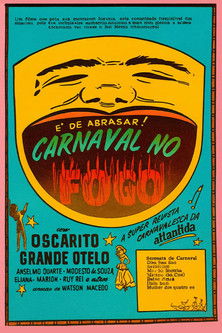
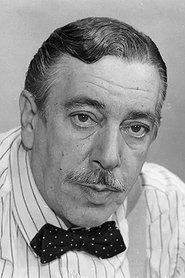
José Lewgoy was a Brazilian actor whose long career made him one of the most recognizable character performers in Latin American cinema and television. He was born in Porto Alegre, Rio Grande do Sul, Brazil, and began acting in the late 1940s, emerging during a formative period for modern Brazilian screen production. His early film work included Carnaval no Fogo (1949), and over the following decades he became known for his versatility in roles ranging from refined aristocrats and villains to comic and authoritarian figures. Lewgoy worked across multiple eras of Brazilian cinema, including studio production, the rise of auteur filmmaking in the 1960s and 1970s, and later popular film and television projects. He gained particular distinction for his theatrical presence, rich voice, and ability to project intelligence, arrogance, menace, or irony depending on the role. International audiences also encountered him through selected co-productions and prestige films, which helped establish him as one of Brazil's most durable screen actors. His career spanned many decades and left him associated with the growth of Brazilian acting talent on both film and television.
More about José Lewgoy
On screen
Lewgoy was known for a highly articulate, commanding screen presence, often emphasizing precision of diction, facial nuance, and an elegant but imposing physical bearing. He excelled at roles that required irony, sophistication, vanity, or menace, and he could shift convincingly between comic exaggeration and dramatic restraint. His performances often relied on voice and posture as much as gesture, giving even supporting parts a strong sense of personality and authority. He was especially effective as a character actor who could instantly define the social status or moral character of a role.
In film history
José Lewgoy occupied an important place in Brazilian cinema as a durable, instantly identifiable character actor whose career reflected the maturation of the national film industry. He helped define a mode of performance that combined classical theatrical technique with modern screen realism, making him useful to filmmakers working in a wide range of styles. Because he appeared in films associated with major artistic movements, including politically engaged and formally ambitious Brazilian cinema, he became part of the visual memory of several generations of filmgoers. His long presence on screen also helped normalize the idea of the sophisticated, multilingual, urbane supporting actor in Brazilian popular culture.
Later reputation
Lewgoy's legacy rests on the sheer breadth and consistency of his performances over more than half a century. He is remembered as one of Brazil's essential character actors, a performer who could enrich a film with authority, wit, and texture even in limited screen time. For historians of Brazilian cinema, he serves as a bridge between postwar commercial filmmaking and the more artistically ambitious cinema of the 1960s and beyond. His work remains valuable for understanding how strong supporting performances can shape the tone and credibility of national cinema.
Influence
Lewgoy influenced later Brazilian actors by demonstrating how a supporting player could become a central cultural figure through craft, vocal precision, and range rather than leading-man glamour alone. His performances offered a model for portraying sophisticated antagonists, bureaucrats, and elites with both humor and menace. Directors could rely on him to deliver a clear character identity quickly, and younger performers often looked to his disciplined approach as an example of professional screen acting. His longevity also made him a reference point for continuity across changing generations of Brazilian film and television.
Off screen
José Lewgoy was born in Porto Alegre and lived much of his life in Brazil, where he built both his professional identity and public reputation. He was known as a cultivated and cosmopolitan figure, with a strong association to stage discipline and articulate performance rather than celebrity scandal. Public information about his private family life is comparatively limited in standard reference sources, but he is remembered primarily for his artistic career and long presence in Brazilian media. His longevity in the profession allowed him to bridge several generations of filmmakers and performers.
Education
Formal education details are not widely documented in standard film-reference sources, though he was known for a cultivated, educated manner and a strong theatrical professionalism.
Credits
- Made his film debut in the 1949 Brazilian production Carnaval no Fogo, marking the start of a long screen career
- Built a reputation as one of Brazil's leading character actors, especially in refined, authoritarian, comic, and villainous roles
- Worked steadily through major phases of Brazilian cinema, including studio-era films, modernist cinema, and later television productions
- Appeared in internationally circulated and prestige productions that broadened his visibility beyond Brazil
- Became a familiar and respected figure in Brazilian popular culture through his extensive work across film and television
Roles
- Aristocratic or upper-class authority figures
- Elegant villains and manipulators
- Comic bureaucrats and pompous officials
- Intellectual or theatrical supporting characters
Films
- Carnaval no Fogo (1949)
- Black God, White Devil (1964)
- The Given Word (1962)
- Macunaíma (1969)
- Tenda dos Milagres (1977)
Awards
- Brazilian cinema and television recognition for a long, distinguished career
- Multiple career honors from Brazilian cultural institutions and film organizations
Nominations
- Numerous performance recognitions in Brazilian film and television, including festival and industry acknowledgment
Honors
- Widely honored in Brazil as one of the country's major character actors
- Recognized by film historians and cultural institutions for lifetime contribution to Brazilian screen acting
Collaborators
- Nelson Pereira dos Santos
- Glauber Rocha
- Geraldo Vietri
- Prominent Brazilian filmmakers of the Cinema Novo and post-Cinema Novo periods
Studios
- Various Brazilian film production companies
- Brazilian television networks and production houses
Notes
- He made his screen debut in 1949, the same year cited for Carnaval no Fogo.
- He became especially well known for playing aristocrats, villains, and pompous authority figures.
- His rich voice and refined diction were among his most distinctive performance assets.
- He remained active for decades, moving easily between film and television as Brazilian media changed.
- He is remembered as one of Brazil's most durable and respected character actors.
- His career connected mainstream entertainment with Brazil's art-cinema movement.
Questions
Who was José Lewgoy?
José Lewgoy was a Brazilian actor best known for his long career as a distinguished character performer in film and television. He became especially recognizable for refined, authoritative, comic, and often villainous roles that made him a memorable presence in Brazilian screen culture.
What films is José Lewgoy best known for?
He is especially associated with Carnaval no Fogo (1949), Black God, White Devil (1964), The Given Word (1962), Macunaíma (1969), and Tenda dos Milagres (1977). These films reflect both his early commercial work and his later importance in prestigious Brazilian cinema.
When was José Lewgoy born and when did he die?
José Lewgoy was born on November 19, 1920, in Porto Alegre, Brazil. He died on February 10, 2003.
What awards did José Lewgoy win?
Standard reference sources emphasize his broad recognition and lifetime esteem within Brazilian culture rather than a single universally cited international prize list. He received honors and career acknowledgment from Brazilian film and cultural institutions for his long contribution to screen acting.
What was José Lewgoy's acting style?
His style was polished, articulate, and highly controlled, with strong use of voice, posture, and facial expression. He was particularly effective in roles requiring elegance, irony, authority, or menace, and he often elevated supporting parts through his clear character definition.
What is José Lewgoy's legacy in film history?
His legacy lies in being one of Brazil's essential character actors, someone whose work helped shape the sound and feel of Brazilian cinema across multiple generations. He is remembered as a performer who brought intelligence and presence to every role and helped connect classic postwar cinema with the later art-film era.