1949 · null

Also available on: YouTube
Carnaval no Fogo

Carnaval no Fogo

1949 null Brazil
Mistaken identityCarnival as social inversionRomance amid chaosCrime and comic disorderPerformance and show business

Plot

Set in and around the Copacabana Palace Hotel during Rio de Janeiro’s carnival season, the film follows a swirl of mistaken identities, romantic intrigue, and comic criminality. A mysterious gang led by the elusive Anjo plans a jewel robbery and arranges a rendezvous at the hotel, using an angel-emblazoned cigarette case and a password as identifying markers. At the same time, Ricardo is mounting a carnival show with Marina, whom he loves, while the hotel janitor Serafim receives word from an unknown American brother who is supposedly arriving for carnival and believes Serafim to be an artist. When Ricardo finds the thief’s cigarette case and is misidentified by the gang, the plot erupts into a chain of misunderstandings, disguises, and comic reversals that intertwine the show, the robbery, and several romantic and family subplots. The film builds toward a festive climax in which carnival performance and criminal pursuit collide, allowing the cast’s musical and comic talents to drive the resolution.

About the Production

Release Date 1949
Production Atlântida Cinematográfica
Filmed In Rio de Janeiro, Rio de Janeiro, Brazil

Carnaval no Fogo was mounted by Atlântida at the height of the studio’s popularity in the late 1940s, when Brazilian carnival comedies and music-driven ensemble films were a central part of commercial cinema. The production combines crime farce with revue-style musical numbers, a structure that was well suited to the studio’s house style and to star performers such as Oscarito and Grande Otelo. The film’s comedy depends heavily on urban locations, hotel interiors, and carnival spectacle, all of which help create a lively Rio backdrop rather than a purely stage-bound setup. Precise budget and box-office figures are not readily documented in standard references, but the film belongs to the profitable popular cycle that made Atlântida a dominant force in Brazilian entertainment cinema during the era.

Historical Background

The film was made in 1949, during a period when Brazilian cinema was dominated in the popular market by Atlântida’s chanchadas, a form that fused slapstick, music, romance, and topical humor. Postwar Rio de Janeiro was a rapidly modernizing capital of glamour, nightlife, radio celebrity, and carnival spectacle, and films like Carnaval no Fogo translated that urban energy into mass entertainment. The late 1940s also marked a time when Brazilian audiences were strongly attuned to domestic stars and local humor, offering a counterweight to the influx of Hollywood product. In that context, the film matters as part of a broader cultural affirmation of Brazilian popular identity, using carnival not only as a seasonal backdrop but as a cinematic language of disorder, performance, and collective joy.

Why This Film Matters

Carnaval no Fogo belongs to the canon of chanchadas that helped define Brazilian popular cinema for decades and cemented the public personas of Oscarito and Grande Otelo. These films were crucial in normalizing a Brazilian comic style that mixed musical performance, satire of urban life, and affectionate parody of crime and melodrama. By setting the action at the Copacabana Palace and anchoring the story in carnival, the film connects elite glamour with street-level festive culture, a contrast that became a hallmark of Rio-centered popular imagery. Its significance lies less in innovation on a grand art-cinema scale than in the consolidation of a mass-cultural form that shaped the expectations of Brazilian audiences and influenced later comedic and musical filmmaking.

Making Of

Carnaval no Fogo was produced within Atlântida’s efficient studio system, which specialized in films designed to showcase star comedians, popular singers, and samba/carnival attractions. Watson Macedo’s direction emphasizes pace and clear comic set-ups, allowing the ensemble to move between criminal intrigue, backstage romance, and festive spectacle without losing the light tone expected of a chanchada. The film’s construction suggests a deliberate effort to exploit both the visual appeal of Rio de Janeiro and the commercial draw of carnival entertainment, making the hotel a concentrated site where classes, identities, and motives collide. While detailed surviving production records are limited, the film is typical of the era’s studio workflow, with a strong emphasis on performance, musical interludes, and fast-moving dialogue rather than expensive special effects or elaborate location logistics. Its enduring memory rests largely on the comic chemistry of Oscarito and Grande Otelo and on the way the production turns a simple crime premise into a festive urban farce.

Visual Style

The cinematography is geared toward clarity, speed, and spectacle rather than expressive visual experimentation. Interiors at the Copacabana Palace and related hotel spaces are used to support overlapping entrances, exits, and misunderstandings, a setup that benefits from clean framing and efficient staging. Carnival scenes would have provided opportunities for brighter, more animated visuals, with the camera likely favoring ensemble composition and performance visibility over elaborate stylization. Overall, the visual style serves the comedy: it keeps the geography legible so the audience can track the mistaken identities and comic reversals that drive the plot.

Innovations

The film’s principal achievement is structural rather than technological: it integrates crime-farce plotting with backstage musical comedy in a way that sustains tempo and audience engagement. Its use of the hotel setting as a confined yet socially varied space is an effective narrative technique, allowing multiple plot threads to intersect organically. The production also demonstrates the polished studio craftsmanship of Atlântida in handling ensemble staging, musical interruptions, and comic timing. There are no widely noted technical innovations associated with the film, but it exemplifies the efficient, professional continuity style that made Brazilian commercial cinema of the era so dependable for audiences.

Music

As a carnival comedy, the film places music at the center of its appeal, with samba-inflected numbers and show-business performance woven into the narrative. The title and premise suggest a strong association with Rio’s carnival sound world, including upbeat popular songs and production numbers intended to showcase the performers and keep the energy buoyant. In Atlântida productions of this type, the soundtrack typically functions as both narrative punctuation and audience attraction, alternating dialogue scenes with musical set pieces. Precise surviving credits for individual songs are not consistently documented in easily accessible references, but the film clearly belongs to the tradition of music-driven chanchadas where song, dance, and comedy reinforce one another.

Famous Quotes

- Is everything all right?" — the password used in the thieves’ scheme, central to the film’s mistaken-identity setup.
- Is everything all right?" — repeated as a comic signal of recognition and confusion in the robbery plot.

Memorable Scenes

  • The opening robbery setup, which establishes the mysterious Anjo, the angel-marked cigarette case, and the gang’s secret meeting plan at the Copacabana Palace Hotel.
  • The sequence in which Ricardo discovers the cigarette case and is mistaken for a member of the criminal gang, launching the film’s main chain of comic confusion.
  • The backstage carnival-show preparations with Marina, which contrast romantic ambition with the chaos unfolding around the hotel.
  • Serafim’s subplot involving his expected American brother, which adds another layer of misunderstanding and class-based comedy to the ensemble.
  • The convergence of carnival performance, hotel intrigue, and criminal pursuit in the film’s festive climax.

Did You Know?

  • The film is a classic Atlântida comedy, part of the studio’s celebrated line of carnival-themed popular entertainments.
  • Oscarito and Grande Otelo were among the most beloved comic performers in Brazilian cinema, and their pairing was a major attraction for audiences of the period.
  • The plot mixes heist-film elements with backstage musical comedy, a combination that was common in Brazilian popular cinema of the late 1940s.
  • Copacabana Palace Hotel serves as an emblematic glamorous Rio setting, reinforcing the film’s connection to urban modernity and carnival chic.
  • The story uses a comic mistaken-identity mechanism involving a cigarette case marked with an angel, which acts as a visual cue for the thieves and the authorities of confusion.
  • Watson Macedo was known for directing lively, audience-friendly commercial films, and this title fits squarely within that tradition.
  • The film’s title evokes the energy and chaos of carnival and fire, matching the tone of escalating misunderstandings and broad comic escalation.
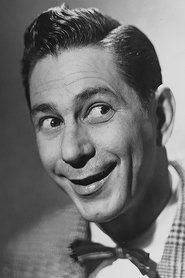
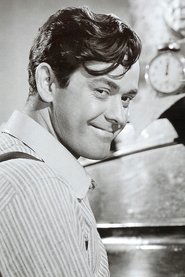
  • Anselmo Duarte appears in the cast, linking the film to one of Brazilian cinema’s future major directors and notable screen personalities.
  • The movie is associated with the broader Brazilian chanchada tradition, which blended song, satire, romance, and slapstick in highly accessible form.
  • As with many Atlântida productions of the era, the film capitalizes on the popularity of live performance culture, especially carnival music and show business settings.

What Critics Said

At the time, the film would have been received as a mainstream entertainment vehicle, valued for its stars, energy, and carnival atmosphere rather than for formal experimentation. Contemporary critical writing on chanchadas often treated them ambivalently, sometimes dismissing them as lightweight commercial fare while acknowledging their popularity and the professionalism of their performers. In retrospect, films like Carnaval no Fogo have gained greater respect as key documents of Brazilian popular culture and as examples of a distinctly national commercial cinema. Modern critics and historians tend to view the film within Atlântida’s broader output as an important artifact of postwar entertainment and star-driven comedy, especially for studying the evolution of screen humor in Brazil.

What Audiences Thought

Audience response was likely strong among the filmgoing public that supported Atlântida’s musical comedies, especially viewers drawn to carnival themes, radio stars, and the comic duo of Oscarito and Grande Otelo. The film’s mixture of hotel glamour, mistaken identity, romance, and song would have aligned well with popular tastes for lively, escapist entertainment. Such films were designed to be immediately accessible, and their success depended on recognizable personalities and a festive atmosphere more than on narrative complexity. Today, audiences interested in classic Brazilian cinema often approach it as a charming and historically important example of the chanchada tradition.

Film Connections

Influenced By

  • Hollywood musical-comedies and screwball-style mistaken-identity farce
  • The Brazilian chanchada tradition developed by Atlântida Cinematográfica
  • Carnival revue and radio entertainment culture in mid-century Brazil

This Film Influenced

  • Later Brazilian chanchadas and carnival comedies that reused backstage-show and hotel-chaos formulas
  • Subsequent popular films pairing Oscarito and Grande Otelo or emulating their comic dynamic

Film Restoration

The film is not generally regarded as lost and is known through surviving references and archival holdings associated with Brazilian classic cinema, though public restoration status and access vary by archive and edition. Availability for modern viewing is limited and often depends on archival screenings, television presentation, or specialized classic-cinema circulation rather than mainstream commercial platforms.

Themes & Topics