No Poster
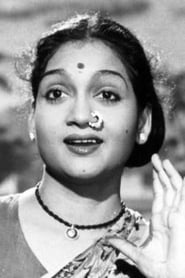
Anjali Devi
Actor
Born: September 24, 1927 in Peddapuram, Madras Presidency (now Andhra Pradesh), India Died: January 13, 2014 Active: 1947-2014 Birth Name: Anjani Devi
Films
1 film
About Anjali Devi
Anjali Devi, born Anjani Devi, was a actress in South Indian cinema who became prominent stars of Tamil and Telugu films during the Golden Age of Indian cinema. Discovered at age 8 by a drama troupe, she began her career in theater before making her film debut in 1947 with 'Raja Mukthi.' Throughout her remarkable career spanning over four decades, she appeared in more than 350 films across Tamil, Telugu, Kannada, and Hindi languages, establishing herself as a versatile performer equally adept in mythological epics and social dramas. She reached the pinnacle of her career in the 1950s and 1960s, becoming the highest-paid actress in South Indian cinema and commanding unprecedented respect in the male-dominated film industry. Her portrayal of Sita in 'Lavakusa' (1963) became, breaking box office records and running for over 200 days in theaters. In her later years, she successfully transitioned to character roles and television appearances, including the popular Tamil serial 'Kalaignar.' Her contributions to Indian cinema were recognized with numerous prestigious awards, and she remained an influential figure in South Indian cultural life until her passing in 2014.
The Craft
On Screen
Anjali Devi was renowned for her classical acting style rooted in traditional Indian performance arts, combining graceful movements with powerful emotional expression. Her technique incorporated elements of Bharatanatyam and classical dance, which she used effectively in mythological roles. She had exceptional command over facial expressions and body language, allowing her to convey complex emotions with subtlety and depth. Her dialogue delivery was marked by perfect diction and modulation in multiple languages, making her equally convincing in both dramatic and romantic scenes. She was particularly noted for her ability to portray divine characters with an ethereal quality while maintaining human relatability.
Milestones
- Film debut in 'Raja Mukthi' (1947)
- Breakthrough role in 'Balaraju' (1948)
- Starred in blockbuster 'Mannadhi Mannan' (1960)
- Iconic portrayal of Sita in 'Lavakusa' (1963)
- Produced films under Anjali Pictures
- Received Raghupathi Venkaiah Award for lifetime achievement
- Transitioned to television with 'Kalaignar' serial
Best Known For
Iconic Roles
Must-See Films
Accolades
Won
- Raghupathi Venkaiah Award (2005)
- Kalaimamani Award from Tamil Nadu Government
- NTR National Award (2008)
- ANR National Award (2010)
Nominated
- Filmfare Award nominations for Best Actress
- Nandi Award nominations for Best Actress
Special Recognition
- Honored by Andhra University with D.Litt. Degree
- Featured in postal stamp by Indian Postal Service
- Lifetime Achievement Award from South Indian Film Chamber
Working Relationships
Worked Often With
Studios
Why They Matter
Impact on Culture
Anjali Devi profoundly shaped South Indian cinema by breaking gender barriers and establishing new standards for female representation in films. Her portrayal of mythological characters like Sita became cultural touchstones, influencing how generations of viewers perceived these figures. She was instrumental in elevating the status of actresses in the industry, becoming one of the first female stars to command equal billing and remuneration with male leads. Her films often addressed social issues subtly, contributing to progressive discussions about women's roles in society. Beyond cinema, she became a cultural icon whose style, mannerisms, and dialogues entered popular culture and everyday language in South India.
Lasting Legacy
Anjali Devi's legacy endures through her extensive filmography that continues to be celebrated by film enthusiasts and scholars. She paved the way for future generations of actresses by demonstrating that women could be box office draws and carry films independently. Her production company Anjali Pictures set precedents for women's entrepreneurship in the film industry. Many of her films, particularly mythological epics, are considered classics and are regularly screened at film festivals and retrospectives. Her acting techniques and approach to character development are studied in film schools as examples of classical Indian cinema performance. The annual Anjali Devi National Award was established in her memory to honor excellence in cinema.
Who They Inspired
Anjali Devi influenced countless actors through her dedication to craft and versatility across genres. Her classical approach to acting inspired actresses like Savitri and Jayalalithaa to incorporate traditional performance elements into their work. Younger generations of performers, including Sridevi and Soundarya, cited her as an inspiration for their mythological roles. Her success as a producer encouraged more women to take on leadership roles behind the camera. Acting coaches and drama schools continue to use her performances as teaching examples for emotional expression and classical technique in Indian cinema.
Off Screen
Anjali Devi led a relatively private personal life despite her immense fame. She married P. Adinarayana Rao, a prominent music director and producer, in 1948, and their partnership extended beyond marriage into professional collaboration. Together they established Anjali Pictures, a production company that created several successful films. The couple had two sons, both of whom entered the film industry in various capacities. Anjali Devi was known for her devout Hindu faith and often credited her spiritual beliefs for her success and longevity in the industry. She maintained close relationships with her co-stars and was respected for her professionalism and generosity toward junior artists.
Education
Limited formal education due to early entry into entertainment industry, trained in classical dance and music from childhood
Family
- P. Adinarayana Rao (1948-1991, until his death)
Did You Know?
- Discovered at age 8 by a traveling drama company
- Initially performed under the name 'Anjani Kumari'
- Was the highest-paid actress in South Indian cinema during the 1950s
- Her film 'Lavakusa' was the first South Indian film to run for 200 days in multiple centers
- Spoke five languages fluently, which helped her work across different film industries
- Turned down Hollywood offers to focus on Indian cinema
- Was a trained classical dancer in Bharatanatyam and Kuchipudi
- Her production company Anjali Pictures was one of the first owned by a woman in Indian cinema
- Acted with three generations of actors, from veteran stars to newcomers
- Her final film appearance was in 2013, just a year before her death
In Their Own Words
Acting is not just performing; it's living the character's soul on screen
My greatest achievement was not the awards or fame, but earning the love of audiences across generations
Cinema is a temple where we worship art and entertain devotees
Every role, big or small, deserves the same dedication and respect
Classical training is the foundation that allows you to build any character
Frequently Asked Questions
Who was Anjali Devi?
Legendary Indian actress who dominated South Indian cinema from the 1940s through the 1960s, appearing in over 350 films across Tamil, Telugu, and other languages. She was particularly renowned for her mythological roles and was one of the first female superstars of Indian cinema.
What films is Anjali Devi best known for?
Titles linked here include Lavakusa (1963), Mannadhi Mannan (1960).
When was Anjali Devi born and when did she die?
Born September 24, 1927; died January 13, 2014.
What awards did Anjali Devi win?
Anjali Devi received numerous prestigious awards including the Raghupathi Venkaiah Award (2005), Kalaimamani Award from the Tamil Nadu government, NTR National Award (2008), and ANR National Award (2010). She was also honored with an honorary D.Litt. Degree by Andhra University.
What was Anjali Devi's acting style?
Anjali Devi's acting style was rooted in classical Indian performance traditions, combining graceful dance movements with powerful emotional expression. She was trained in Bharatanatyam and Kuchipudi, which she incorporated into her performances, especially in mythological roles. Her technique emphasized perfect diction, subtle facial expressions, and the ability to convey complex emotions through traditional Indian theatrical methods.