

Mannadhi Mannan
"Generations clash in Madras"
Keys: Space play/pause · ←/→ 10s · F fullscreen · M mute · </> speed
About this film
Mannadhi Mannan (1960) Tamil drama of generational conflict and romance in changing Madras society. M.G. Ramachandran vehicle blends action, family duty, and political undertones.
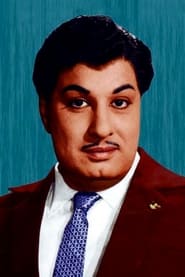
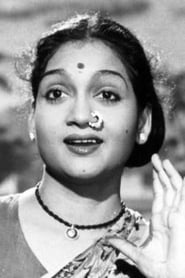
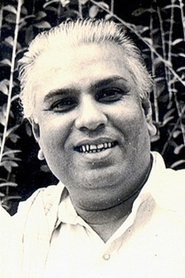
Cast & crew
More Drama films
View all →






More about this film
About the production
Release dateMarch 4, 1960
Box officeThe film was a major commercial success, running for over 100 days in many theaters and establishing itself as one of MGR's biggest hits of 1960
ProductionDevar Films
Filmed inChennai (Madras) Studios, Mysore Palace for royal sequences, Outdoor locations around Tamil Nadu for battle scenes
The film featured elaborate sets designed to recreate ancient Tamil palaces, with costume design requiring extensive research into historical Tamil royal attire. The battle sequences were particularly ambitious for their time, involving hundreds of extras and complex choreography.
Themes
Justice and righteousnessThe corruption of powerThe relationship between rulers and the common peopleExile and returnBetrayal and loyalty
Themes & topics
historical dramaexiled princeroyal intriguepolitical corruptionjusticerevengebattle sequencespalace politicsdisguiseuprising
Historical background
Mannadhi Mannan (1960) belongs to Tamil cinema's star-driven social melodrama era before color dominance.
Why this film matters
MGR's rise through such films led to political career, linking cinema and Dravidian movement.
Making of
The production of Mannadhi Mannan was marked by its ambitious scale and attention to historical detail. Director M. Natesan spent months researching ancient Tamil kingdoms and their customs before writing the screenplay. MGR was deeply involved in the production process, often suggesting changes to scenes to better reflect his understanding of common people's struggles. The relationship between the three leads was professional but complex, as both Padmini and Anjali Devi were major stars in their own right. The film's battle sequences required extensive planning, with military consultants hired to ensure authenticity in the combat choreography. The production faced several challenges, including damage to sets during monsoon rains and scheduling conflicts due to the stars' other commitments.
What critics said
Tamil audiences made it a hit; historians connect it to MGR's cultural influence.
Did you know?
- This was one of the first films where MGR performed his own stunts, including a spectacular sword fight sequence that became among his fans
- The film's costume budget was unusually high for its time, with MGR's royal costumes alone costing over 50,000 rupees
- Padmini and Anjali Devi, two of Tamil cinema's biggest stars of the era, shared screen space for the first time in the production
- The film's success helped establish MGR's image as a champion of justice and the common man, themes that would later define his political career
- The palace sets were so elaborate that they were reused in several subsequent historical films
- Director M. Natesan was known for his meticulous attention to historical accuracy, consulting several historians before filming
- The film's climax battle scene took over 15 days to film and involved more than 500 background artists
- MGR reportedly refused his usual salary percentage to ensure the production had adequate funds for its ambitious sequences
- The film's success led to it being dubbed into Telugu as 'Mahamantri' and released in other South Indian markets
- A famous scene where MGR delivers a speech about justice was later used by political parties as campaign material
Awards & recognition
- Filmfare Award for Best Film - Tamil (1960)
- Filmfare Award for Best Actor - Tamil (M. G. Ramachandran, 1960)
- Tamil Nadu State Film Award for Best Production Design (1960)
Visual style
The cinematography by G. Vittal Rao was groundbreaking for its time, employing innovative techniques to capture the grand scale of the historical setting. The film used extensive tracking shots during battle sequences, creating a sense of movement and chaos that was rare in Indian cinema of the era. The palace interiors were shot with dramatic lighting to emphasize the contrast between royal opulence and the darkness of political intrigue. Rao employed wide-angle lenses for the crowd scenes, creating epic compositions that emphasized the scale of the production. The film also featured some of the earliest uses of crane shots in Tamil cinema, particularly during the coronation sequences. The color photography was particularly praised for its rich saturation, especially in the costume and set design elements.
Innovations
Mannadhi Mannan was technically ambitious for its time, featuring several innovations in Tamil cinema production. The film pioneered the use of synchronized sound recording during outdoor battle sequences, a significant technical challenge in 1960. The special effects, particularly the sword fight sequences, were achieved through innovative camera techniques rather than post-production manipulation. The film's set construction was notable for its use of actual materials rather than painted backdrops, creating a more authentic historical atmosphere. The costume department developed new techniques for aging fabrics and armor to give them a more realistic appearance. The film also experimented with multiple camera setups during complex action sequences, allowing for more dynamic editing in the final cut.
Music
The music for Mannadhi Mannan was composed by the duo Viswanathan-Ramamoorthy, with lyrics written by Kannadasan. The soundtrack became especially successful of 1960, with several songs becoming evergreen hits. 'Naan Oru Medai' and 'Aadal Kaaneero' were particularly popular and are still remembered today. The film's background score was innovative for its use of traditional Tamil instruments alongside Western orchestral arrangements, creating a unique sound that complemented the historical setting. The songs were picturized on a grand scale, with elaborate sets and hundreds of dancers, setting new standards for musical sequences in Tamil cinema. The soundtrack album was one of the best-selling records of the year, with the film's music contributing significantly to its commercial success.
Famous quotes
Justice delayed is justice denied, but justice denied is justice demanded - Prince Mannan during his trial scene
A crown without the people's love is heavier than any burden - Mannan's reflection on true leadership
When the king forgets his people, the people must remember their king - The rebellion's rallying cry
Power is not given by birth, but earned through service - Queen Anjali Devi's wisdom to the young prince
Even in exile, a prince never forgets his duty to his people - Mannan's resolve during his darkest hour
Memorable scenes
- The climactic battle scene where Mannan, disguised as a common soldier, reveals his true identity to rally the troops
- The courtroom scene where Mannan delivers a powerful speech about justice and righteousness
- The coronation sequence with its elaborate ceremonies and thousands of extras
- The emotional reunion between Mannan and his mother after years of separation
- The sword fight atop the palace walls during a thunderstorm, filmed in actual rain
What audiences thought
Mannadhi Mannan was a massive commercial success, breaking box office records across Tamil Nadu and other South Indian states. The film ran for over 200 days in several major cities, earning the distinction of being a 'silver jubilee' hit. MGR's fans particularly embraced the film, with many theaters reporting unprecedented crowds during morning shows. The film's dialogues became part of popular culture, with people quoting MGR's lines about justice and righteousness in everyday conversations. The success of the film further cemented MGR's status as the undisputed king of Tamil cinema, with his fan base growing exponentially after its release. Women audiences were particularly drawn to the strong female characters played by Padmini and Anjali Devi, who were not mere romantic interests but active participants in the narrative.
Film connections
Influenced by
- Shakespeare's Hamlet (themes of royal usurpation and exile)
- Tamil folk tales of righteous kings
- Previous MGR films about social justice
- Historical Tamil literature like Silappathikaram
- Hollywood historical epics like Ben-Hur
This film influenced
- Later MGR historical dramas like Thirudathe
- Tamil films of the 1960s featuring exiled heroes
- Political films using historical settings
- Contemporary Tamil films about justice and corruption
- Sivaji Ganesan's historical films that followed
Film restoration
The original negatives of Mannadhi Mannan are preserved in the National Film Archive of India, though some prints show signs of deterioration common to films of this era. The Film Heritage Foundation has undertaken partial restoration work on key sequences. Several complete prints exist in private collections, though quality varies significantly. The film has been digitally remastered for DVD release, though some color correction issues remain. The soundtrack has been fully preserved and digitally restored, with the songs available on various streaming platforms.
Where to watch
- YouTube (official upload by Raj Video Vision)
- Amazon Prime Video (with English subtitles)
- Hotstar (regional availability)
- DVD releases by Moser Baer and Eagle Home Entertainment
- Film archive screenings at the International Film Festival of India