No Poster
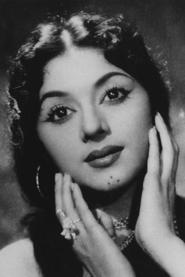
Padmini
Actor
Born: June 12, 1932 in Poojappura, Thiruvananthapuram, Travancore (now Kerala), India Died: September 24, 2006 Active: 1948-1979
Films
3 films
About Padmini
Padmini was one of India's most celebrated actresses and dancers, born as part of the Travancore Sisters along with siblings Lalitha and Ragini. She received rigorous training in Bharatanatyam and other Indian classical dance forms from an early age, studying under renowned gurus including Mahalingam Pillai and Gopal Pillai. Her film career began with the Tamil film 'Manthiri Kumari' in 1950, which immediately established her as a major star in South Indian cinema. Throughout the 1950s and 1960s, Padmini became synonymous with graceful dance sequences and powerful dramatic performances, working across multiple languages including Tamil, Telugu, Hindi, and Malayalam. She was particularly known for her roles in mythological and historical films where her classical dance training could be fully showcased. After her successful film career spanning three decades, she moved to the United States where she established a classical dance school, continuing to teach and preserve Indian dance traditions until her death in 2006.
The Craft
On Screen
Padmini was renowned for her expressive acting style that seamlessly blended classical dance techniques with naturalistic performance. Her facial expressions and hand gestures were exceptionally precise, drawing from her extensive training in Bharatanatyam. She had a unique ability to convey complex emotions through subtle movements, making her particularly effective in dramatic roles and dance sequences. Her performances were characterized by grace, dignity, and emotional depth, whether portraying mythological characters or contemporary women.
Milestones
- Film debut in Manthiri Kumari (1950)
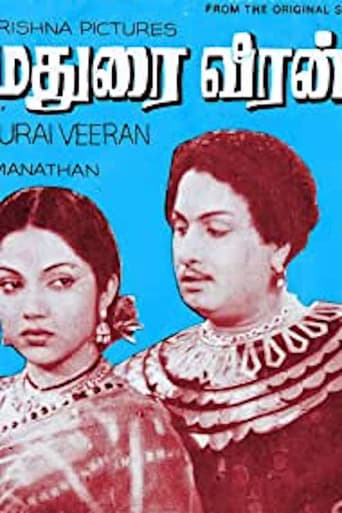
- Starred in the blockbuster Madurai Veeran (1956)
- Lead role in Mannadhi Mannan (1960)
- Successful transition to Hindi cinema with films like Jis Desh Mein Ganga Behti Hai
- Received Padma Shri award from Government of India
- Established Padmini School of Fine Arts in New Jersey
Best Known For
Iconic Roles
Must-See Films
Accolades
Won
- Padma Shri (1957)
- Kalaimamani Award from Tamil Nadu Government
- Filmfare Award for Best Actress (Tamil) for Thillana Mohanambal (1968)
- Filmfare Award for Best Supporting Actress (Hindi) for Jis Desh Mein Ganga Behti Hai (1960)
Nominated
- Filmfare Award nomination for Best Actress for Kaagaz Ke Phool (1959)
- Filmfare Award nomination for Best Actress for Chhaya (1961)
Special Recognition
- Honored at the International Film Festival of India
- Featured in postage stamps issued by Indian Postal Service
- Lifetime Achievement Award from South Indian Film Chamber
- Honorary Doctorate from University of Madras
Working Relationships
Worked Often With
Studios
Why They Matter
Impact on Culture
Padmini revolutionized the portrayal of dance in Indian cinema, bringing classical dance forms to mainstream audiences and elevating their status in popular culture. She broke barriers for women in Indian cinema by proving that actresses could be both artistically accomplished and commercially successful. Her performances helped preserve and popularize traditional Indian dance forms among younger generations who might not otherwise have been exposed to classical arts. Padmini's success in multiple language films contributed to the integration of regional Indian cinemas and helped create a pan-Indian film culture.
Lasting Legacy
Padmini's legacy extends far beyond her filmography; she is remembered as a cultural ambassador who brought Indian classical dance to international audiences. Her dance school in New Jersey continues to teach Bharatanatyam to new generations of Indian Americans. She paved the way for actress-dancers in Indian cinema, establishing a template for combining technical dance skill with acting ability. Her films, particularly her dance sequences, are still studied by film scholars and dance enthusiasts as exemplary examples of cinematic choreography. The Travancore Sisters, led by Padmini, remain.
Who They Inspired
Padmini influenced generations of Indian actresses by demonstrating the value of classical training in film performance. Her unique blend of traditional dance and contemporary acting inspired later performers like Vyjayanthimala, Hema Malini, and Sridevi who also combined dance and acting careers. Her approach to choreographing dance sequences for cinema influenced how dance was incorporated into Indian films, moving beyond mere entertainment to become integral storytelling elements. Many contemporary Indian actresses cite Padmini as an inspiration for pursuing classical dance training alongside their acting careers.
Off Screen
Padmini came from the royal family of Travancore and was part of the famous Travancore Sisters. She married Dr. K.T. Ramachandran, a physician based in the United States, in 1961. After marriage, she balanced her film career with family life before eventually relocating to the United States. She had one son, Dr. Ramesh, who followed in his father's footsteps to become a physician. Despite her fame, Padmini maintained a private personal life and was known for her dedication to her art and family.
Education
Trained at Kerala Kalamandalam, studied Bharatanatyam under Mahalingam Pillai and Gopal Pillai, received classical dance education from renowned gurus in Chennai and Travancore
Family
- Dr. K.T. Ramachandran (1961-2006)
Did You Know?
- Padmini and her sisters Lalitha and Ragini were known as the Travancore Sisters, the most famous sibling act in Indian cinema history
- She was offered a role in Hollywood but declined to focus on Indian cinema
- Padmini could speak and act in five languages fluently
- She performed for Queen Elizabeth II during the Queen's visit to India
- Her dance performances were so authentic that she was often mistaken for a professional dancer rather than an actress
- Padmini was one of the highest-paid actresses of her time in South Indian cinema
- She turned down many film offers after marriage to focus on her family
- Her dance school in New Jersey has trained thousands of students over 25 years
- Direct descendant of the royal family of Travancore
- She was the first South Indian actress to successfully transition to Hindi cinema
In Their Own Words
Dance is not just movement, it's the expression of the soul through the body
Classical training gives you the foundation, but cinema requires you to adapt and innovate
When you dance, you are not just performing, you are praying with your body
Art transcends language barriers; that's why dance and cinema can touch hearts globally
The camera captures not just your movements, but the emotions behind them
Frequently Asked Questions
Who was Padmini?
Padmini was one of India's most celebrated actresses and classical dancers, known as part of the famous Travancore Sisters. She starred in numerous South Indian and Hindi films from 1950 to 1979, particularly noted for her exceptional dance performances and dramatic acting abilities.
What films is Padmini best known for?
Titles linked here include Manthiri Kumari (1950), Madurai Veeran (1956).
When was Padmini born and when did she die?
Born June 12, 1932; died September 24, 2006.
What awards did Padmini win?
Padmini received numerous prestigious awards including the Padma Shri (1957), Kalaimamani Award from the Tamil Nadu government, Filmfare Awards for both Tamil and Hindi cinema, and various lifetime achievement honors from film organizations.
What was Padmini's acting and dancing style?
Padmini's style was characterized by the seamless integration of classical Bharatanatyam techniques with naturalistic acting. She was known for her precise facial expressions, graceful movements, and ability to convey deep emotions through dance. Her performances combined technical perfection with emotional authenticity.
Were the Travancore Sisters really sisters?
Yes, Padmini was part of the Travancore Sisters along with her actual sisters Lalitha and Ragini. They were from a royal family in Travancore and all three became successful actresses and dancers, dominating South Indian cinema in the 1950s and 1960s.
What happened to Padmini after her film career?
After retiring from films, Padmini moved to the United States where she established the Padmini School of Fine Arts in New Jersey. She dedicated the rest of her life to teaching classical Indian dance to new generations, preserving and promoting Indian cultural arts abroad.