P. S. Veerappa
Actor
Born: 1911 in Madras Presidency, British India Died: 1998 Active: 1940s-1970s Birth Name: Ponnuswamy Veerappa
Films
4 films
About P. S. Veerappa
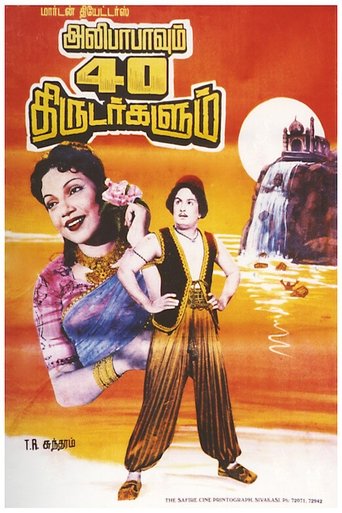
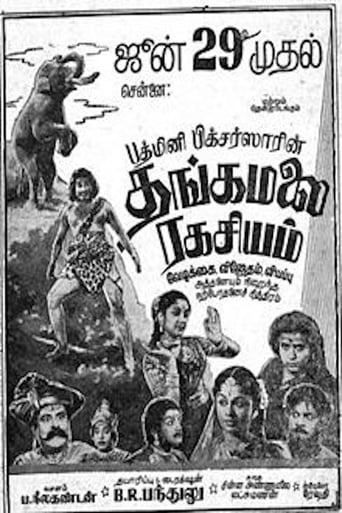
Prominent Tamil film actor who rose to fame during the golden era of South Indian cinema in the 1950s and 1960s. He was particularly renowned for his imposing screen presence and powerful portrayal of villainous characters, becoming recognizable antagonists in Tamil cinema of his time. Veerappa's over two decades, during which he appeared in numerous successful films, often playing the antagonist to leading heroes like M. G. Ramachandran and Sivaji Ganesan. His breakthrough role came in 'Alibaba and the Forty Thieves' (1956), where his performance as the treacherous Abu Hassan established him as a formidable villain in the industry. He continued to build his reputation with memorable performances in films like 'Thangamalai Ragasiyam' (1957) and 'Mannadhi Mannan' (1960), which showcased his ability to command the screen despite playing negative roles. Veerappa's distinctive baritone voice and towering physique made him a natural choice for royal villain roles and antagonistic characters in historical and mythological films. His contribution to Tamil cinema was significant in establishing the archetype of the sophisticated, menacing villain that would influence generations of actors who followed.
The Craft
On Screen
P. S. Veerappa was known for his commanding screen presence and theatrical acting style, which was characteristic of the golden era of Tamil cinema. He employed a powerful baritone voice and exaggerated gestures to create memorable villainous characters, often playing royal antagonists, treacherous ministers, or wealthy villains. His physical stature and distinctive facial features allowed him to dominate scenes even when sharing screen with the biggest stars of the era. Veerappa's approach to villainy was sophisticated rather than crude, bringing a certain gravitas and dignity to his negative roles that made his characters more compelling and multi-dimensional.
Milestones
- Breakthrough role in Alibaba and the Forty Thieves (1956)
- Memorable antagonist in Thangamalai Ragasiyam (1957)
- Critically acclaimed performance in Mannadhi Mannan (1960)
- Established the template for sophisticated villains in Tamil cinema
- Worked with legendary actors MGR and Sivaji Ganesan
- Pioneered the use of elaborate costumes and makeup for villain characters
Best Known For
Iconic Roles
Must-See Films
Accolades
Won
- Kalaimamani Award from Tamil Nadu Government
Special Recognition
- Recognized as one of Tamil cinema's most iconic villains
- Honored in retrospectives of classic Tamil cinema
Working Relationships
Worked Often With
Studios
Why They Matter
Impact on Culture
P. S. Veerappa significantly influenced the portrayal of villains in Tamil cinema, establishing a template for sophisticated, cultured antagonists that would be emulated for decades. His performances helped elevate the importance of strong villain characters in South Indian films, moving beyond one-dimensional evil to create complex, memorable antagonists. Veerappa's work contributed to the golden age of Tamil cinema, where films were often grand spectacles featuring heroic protagonists matched by equally compelling villains. His distinctive style of villainy, combining menace with dignity, became a cultural touchstone and influenced how villains were portrayed in regional cinema across India.
Lasting Legacy
P. S. Veerappa's legacy endures through his memorable performances that continue to be referenced in discussions about classic Tamil cinema. He is remembered as one of the pioneers who established the importance of well-developed villain characters in Indian cinema, proving that antagonists could be as compelling as protagonists. His influence can be seen in subsequent generations of actors who specialized in negative roles, many of whom adopted elements of his sophisticated approach to villainy. Film historians and critics often cite his work when discussing the evolution of character acting in South Indian cinema, and his films remain popular among classic cinema enthusiasts.
Who They Inspired
P. S. Veerappa influenced numerous actors who followed in his footsteps, particularly those specializing in villain roles in Tamil and other South Indian film industries. His approach to playing sophisticated, educated villains rather than crude antagonists raised the bar for character actors in regional cinema. Many subsequent villains in Tamil cinema, including notable actors like Ashokan and M. N. Nambiar, incorporated elements of Veerappa's style into their performances. His success also demonstrated that character actors could achieve significant recognition and career longevity in Indian cinema, inspiring many to pursue similar paths.
Off Screen
P. S. Veerappa maintained a relatively private personal life away from the film industry's spotlight. Born in the Madras Presidency during British rule, he came from a humble background before finding success in cinema. Despite his on-screen villainous persona, colleagues remembered him as a gentle and cultured individual off-screen. He was known for his dedication to his craft and often spent hours preparing for his roles, particularly studying the mannerisms and speech patterns required for royal characters. Veerappa was also involved in theatre before transitioning to films, which helped him develop his distinctive acting style.
Education
Limited formal education, trained in traditional theatre arts
Family
- Unknown
Did You Know?
- Despite being typecast as a villain, Veerappa was known for his gentle nature off-screen
- He often performed his own stunts in action sequences
- His distinctive baritone voice became his trademark in the era before dubbing technology
- Veerappa was one of the highest-paid character actors of his time
- He maintained a strict fitness regimen to maintain his imposing physique
- Many of his costumes were specially designed and became fashion statements of the era
- He was fluent in multiple South Indian languages, which helped him work across different film industries
- Veerappa initially started his career in stage theatre before transitioning to films
- He was known for his punctuality and professionalism on film sets
- His villain characters often had elaborate backstories, a rarity for antagonists of that era
In Their Own Words
As an actor, I believe even a villain must have dignity and purpose on screen
Playing negative roles requires more preparation than playing heroes - you must make the audience hate you while respecting your craft
Theatre taught me that every character, good or evil, has a human side that must be explored
Frequently Asked Questions
Who was P. S. Veerappa?
Renowned Tamil film with credits in this catalog. He was particularly famous for his sophisticated portrayal of antagonists in historical and mythological films.
What films is P. S. Veerappa best known for?
Titles linked here include Alibaba and the Forty Thieves (1956), Thangamalai Ragasiyam (1957).
When was P. S. Veerappa born and when did he die?
Born 1911; died 1998.
What awards did P. S. Veerappa win?
P. S. Veerappa received the prestigious Kalaimamani Award from the Tamil Nadu government in recognition of his contributions to cinema. He was also honored in retrospectives of classic Tamil cinema and is recognized as one of the industry's most iconic villains.
What was P. S. Veerappa's acting style?
P. S. Veerappa was known for his theatrical acting style with commanding screen presence, powerful baritone voice, and exaggerated gestures. He brought sophistication and dignity to his villain roles, creating complex antagonists rather than one-dimensional evil characters.
Did P. S. Veerappa work with major stars of his era?
Yes, P. S. Veerappa worked extensively with the biggest stars of Tamil cinema including M. G. Ramachandran (MGR) and Sivaji Ganesan. He often played the antagonist to their heroic characters in many successful films.
What was P. S. Veerappa's impact on Tamil cinema?
P. S. Veerappa significantly influenced how villains were portrayed in Tamil cinema, establishing a template for sophisticated antagonists. He elevated the importance of strong character actors and proved that villains could be as compelling as protagonists in Indian films.