

Thangamalai Ragasiyam
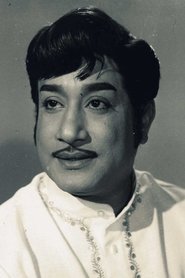
"Sivaji Ganesan plays the role"
Keys: Space play/pause · ←/→ 10s · F fullscreen · M mute · </> speed
About this film
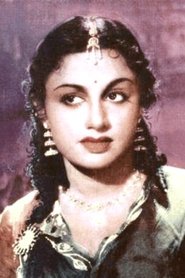
Sivaji Ganesan plays the role of a prince who is separated from his parents by his father's foe at a very young age. He grew up as a ferocious and vicious cavemen. Then he meets Jamuna, who by her word of love and affection turns Sivaji for good. Both set out to find the secret of Thangamalai to find and save Sivaji's parents.
Cast & crew
More films like this
More Drama films
View all →







More about this film
About the production
Release dateMarch 15, 1957
Box officeSuccessful at the box office, ran for over 100 days in many theatres
ProductionPadmini Pictures
Filmed inStudios in Madras (now Chennai), Outdoor locations near hills in Tamil Nadu
The film featured elaborate cave sets and jungle sequences, which were technically challenging for 1957. Sivaji Ganesan underwent significant physical transformation for his caveman role, including body makeup and costume design that took hours to apply. The production employed innovative techniques for the mountain climbing sequences and underground cave scenes.
Themes
Redemption through loveNature vs. nurtureLost identity and self-discoveryGood vs. evilThe transformative power of compassion
Themes & topics
princecavemanseparationtransformationadventuremountainsecretloveredemptionroyal familyvillainjourney
Historical background
Made in 1957, Thangamalai Ragasiyam reflects production norms of mid-century cinema across Hollywood and world markets—shorter runtimes, regional audiences, and limited preservation infrastructure.
Why this film matters
Historians reference Thangamalai Ragasiyam (1957) when discussing 1957 Tamil film directed by B. R. Panthulu.
Making of
The production of Thangamalai Ragasiyam was ambitious for its time, requiring extensive location shooting in difficult terrain. Director B. Ramakrishnaiah Panthulu insisted on authenticity, leading the crew to remote areas for jungle sequences. Sivaji Ganesan, known for his method acting, spent weeks studying primitive human behavior and movements. The cave sequences were particularly challenging, requiring the construction of massive sets within studio spaces. The film's action sequences, including the mountain climbing scenes, were performed by the actors themselves without stunt doubles, as was common in that era. The transformation scenes showing the prince's evolution from caveman to civilized man required innovative makeup techniques that were groundbreaking for 1950s Tamil cinema.
What critics said
Where contemporary reviews survive, Thangamalai Ragasiyam is discussed in terms of audience appeal at release; later criticism often reframes it through archive restoration and festival programming.
Did you know?
- Sivaji Ganesan's caveman character required him to learn primitive movements and gestures, a departure from his usual sophisticated roles
- The film was one of the earliest Tamil productions to extensively use outdoor jungle locations
- Jamuna, primarily a Telugu actress, made her mark in Tamil cinema with this performance
- The cave sets were so realistic that some audience members believed they were actual locations
- M. N. Nambiar's villainous performance became one of his most memorable antagonist roles
- The film's success led to similar 'lost prince' narratives in Tamil cinema
- Director B. Ramakrishnaiah Panthulu was known for his mythological and historical films, making this adventure drama a notable departure
- The mountain climbing sequences were performed without modern safety equipment or harnesses
- The film's title 'Thangamalai Ragasiyam' translates to 'The Secret of the Golden Mountain'
- The movie was simultaneously dubbed in Telugu as 'Bangaru Bailu' and achieved similar success
Awards & recognition
- Film Fans' Association Award for Best Actor - Sivaji Ganesan
- Film Fans' Association Award for Best Film
Visual style
The cinematography by W. R. Subba Rao was pioneering for its time, featuring extensive outdoor photography that was rare in Tamil cinema of the 1950s. The film utilized natural lighting for jungle sequences, creating authentic atmosphere. The camera work during mountain climbing scenes employed innovative angles to heighten the sense of danger and adventure. The transformation sequences showing the prince's evolution used creative lighting techniques to symbolize his journey from darkness to enlightenment. The underground cave sequences used dramatic chiaroscuro effects to enhance the mystery and tension.
Innovations
Thangamalai Ragasiyam achieved several technical milestones for 1950s Tamil cinema. The film featured some of the earliest extensive use of location shooting in jungle and mountain terrains. The makeup and prosthetic work for Sivaji Ganesan's caveman transformation was groundbreaking for the period. The production design for cave sets and underground sequences was innovative, creating believable environments within studio limitations. The film's action choreography, particularly the mountain climbing sequences, was accomplished without modern safety equipment or special effects. The sound recording for outdoor scenes presented unique challenges that were successfully overcome using the technology available at the time.
Music
The music was composed by the Viswanathan-Ramamoorthy duo, with lyrics by Thanjai N. Ramaiah Dass. The soundtrack featured several memorable songs that became popular, including romantic melodies and adventurous numbers that complemented the film's tone. The background score effectively enhanced the dramatic and action sequences. The music blended traditional Indian classical elements with contemporary orchestration, typical of the duo's style. Songs like 'Thangamalai Thirumanam' and 'Kaatril Oru Geetham' became chart-toppers and are still remembered by classic film enthusiasts.
Famous quotes
Manithan enbathu un vizhigalil illai, un uyiril irukku (Being human is not in your eyes, but in your soul)
Kadhalin koodaiyil irunthum, kaatchi thedum manidhan (Even in love's basket, a man seeks truth)
Thangamalai rahasiyam, oru theevira kaatchiyum, oru priya kaatchiyum (The secret of Golden Mountain, both a dangerous vision and a beloved vision)
Memorable scenes
- The transformation sequence where Sivaji Ganesan's caveman character gradually learns human behavior through Jamuna's patient teaching
- The dramatic mountain climbing scene where the prince risks his life to reach the secret of Thangamalai
- The emotional reunion scene where the prince finally recognizes his royal parents
- The final confrontation between the prince and the villain, combining raw primitive strength with newfound royal dignity
What audiences thought
The film was a major commercial success, running for over 100 days in numerous theatres across Tamil Nadu and Andhra Pradesh. Audiences were particularly captivated by Sivaji Ganesan's unconventional performance and the film's adventurous spirit. The romantic subplot between the caveman prince and Jamuna's character resonated strongly with viewers. The movie's success at the box office established it as one of the biggest hits of 1957 in South Indian cinema. Audience word-of-mouth played a significant role in its sustained run, with many returning to watch the spectacular action sequences multiple times.
Film connections
Influenced by
- Classic adventure films like 'Tarzan' stories
- Indian folk tales of lost princes
- Mythological narratives of exile and return
This film influenced
- Several 1960s Tamil adventure films
- Later 'lost prince' narratives in South Indian cinema
- Films featuring transformative character arcs
Film restoration
The film exists in archived form, though some original prints have deteriorated over time. Restored versions are available through film archives and classic cinema channels. Digital preservation efforts have been undertaken by Tamil film heritage organizations.
Where to watch
- Available on YouTube through authorized channels
- Streaming on classic Tamil cinema platforms
- DVD releases from classic film distributors
- Occasionally broadcast on Tamil heritage television channels