T. R. Rajakumari
Actor
Born: May 5, 1922 in Pudukkottai, Tamil Nadu, India Died: September 20, 1999 Active: 1937-1962 Birth Name: Thanjavur Radhakrishnan Rajayee
Films
2 films
About T. R. Rajakumari
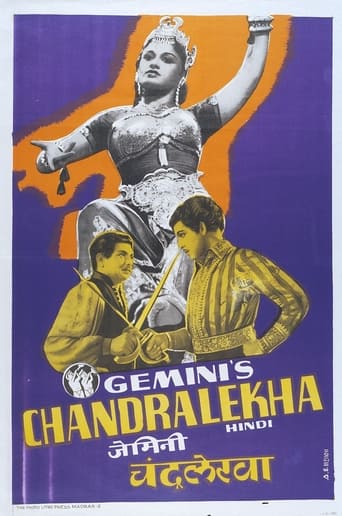
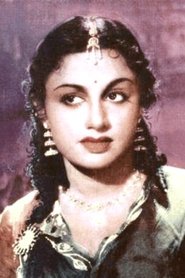
T. R. Rajakumari, born Thanjavur Radhakrishnan Rajayee, was a figure in Tamil cinema who rose to prominence during the Golden Age of Indian cinema. She began her career as a stage actress before transitioning to films, quickly establishing herself as sought-after actresses of the 1940s and 1950s. Her breakthrough role came with the epic historical drama Chandralekha (1948), which became expensive and successful Indian films of its time. Beyond acting, she became a successful film producer and studio owner, founding R.R. Pictures and producing several notable films. She was known for her commanding screen presence and versatility in both dramatic and romantic roles. Her screen career spanned the late 1930s through the early 1960s, during which she worked with some of the biggest names in Indian cinema. Later in life, she focused on production and business ventures, leaving an indelible mark on the South Indian film industry.
The Craft
On Screen
Known for her expressive eyes and graceful dance movements, T. R. Rajakumari embodied the classical Indian acting style with emphasis on facial expressions and body language. Her performances were characterized by a regal presence and commanding screen charisma, particularly in historical and mythological roles. She excelled in both dramatic scenes requiring emotional depth and elaborate dance sequences that showcased her classical training.
Milestones
- Breakthrough role in Chandralekha (1948)
- Became one of the highest-paid actresses of the 1940s
- Founded R.R. Pictures production company
- Produced successful films like Velaikari (1949)
- Transitioned from acting to production in the 1950s
- Owned and operated her own film studio
- Pioneered women's entrepreneurship in Indian cinema
Best Known For
Iconic Roles
Must-See Films
Accolades
Won
- Kalaimamani Award from Tamil Nadu Government
- Filmfare Award for Best Film (Producer) - Velaikari (1949)
Nominated
- Filmfare Nomination for Best Actress - Chandralekha (1948)
Special Recognition
- Honored at Tamil Nadu State Film Awards for contributions to cinema
- Recognized as a woman producer in Indian cinema
- Featured in retrospectives of classic Tamil cinema
Working Relationships
Worked Often With
Studios
Why They Matter
Impact on Culture
T. R. Rajakumari broke significant barriers for women in Indian cinema by becoming one of the first successful female producers and studio owners in the industry. Her success in Chandralekha helped establish Tamil cinema's reputation for producing grand, spectacular films that could compete internationally. She demonstrated that women could be powerful business leaders in the male-dominated film industry, paving the way for future generations of female producers and entrepreneurs. Her films often addressed social issues while maintaining commercial appeal, contributing to the development of socially conscious cinema in South India.
Lasting Legacy
T. R. Rajakumari's legacy extends beyond her acting career to her role as a female entrepreneur in Indian cinema. She is remembered as. Her production company R.R. Pictures became synonymous with quality filmmaking, and she set standards for professionalism and artistic excellence. Her story continues to inspire women in the Indian film industry to pursue leadership roles and break traditional barriers.
Who They Inspired
Her success as both an actress and producer influenced many subsequent generations of women in Indian cinema to take on multifaceted roles in the industry. The business model she established with R.R. Pictures became a template for artist-owned production companies. Her ability to balance artistic integrity with commercial success demonstrated that quality cinema could be profitable, influencing production strategies in Tamil cinema for decades. Many contemporary female producers cite her as an inspiration for their career choices.
Off Screen
T. R. Rajakumari was known for her business acumen and independence, rare for women of her era in the film industry. She maintained a relatively private personal life while being actively involved in the business aspects of cinema. Her marriage to T. V. Sundaram, a film producer, was both a personal and professional partnership that strengthened her position in the industry. She was known for her philanthropic activities and support for aspiring artists in the film industry.
Education
Educated in Pudukkottai with training in classical dance and music, which greatly influenced her film career
Family
- T. V. Sundaram (film producer)
Did You Know?
- Chandralekha was the most expensive Indian film made at the time of its release with a budget of ₹3 million
- She was one of the first Indian actresses to own a Rolls-Royce car
- Her production company R.R. Pictures was named after her initials
- She started her career as a child artiste in stage plays
- The famous drum dance sequence in Chandralekha remains one of Indian cinema's most iconic scenes
- She was known for her lavish lifestyle and was one of the wealthiest actresses of her time
- She turned down many acting offers in the 1950s to focus on production
- Her films were known for their technical excellence and grand production values
- She was instrumental in launching the careers of several prominent actors
- She maintained strict quality control over all films produced by her company
In Their Own Words
Cinema is not just entertainment; it's a powerful medium for social change
A woman's place in the film industry is wherever she chooses to be - in front of the camera or behind it
Quality never goes out of style; that's why I always invested in the best for my films
Success in cinema requires both artistic vision and business acumen
I wanted to prove that women could be successful producers in this male-dominated industry
Frequently Asked Questions
Who was T. R. Rajakumari?
Indian actress, producer, and studio owner who was active in Tamil cinema from the 1930s to the 1960s. She was one of the first successful female producers in Indian cinema and is best known for her role in the epic film Chandralekha (1948).
What films is T. R. Rajakumari best known for?
Titles linked here include Chandralekha (1948), Velaikari (1949).
When was T. R. Rajakumari born and when did she die?
Born May 5, 1922; died September 20, 1999.
What awards did T. R. Rajakumari win?
She received the prestigious Kalaimamani Award from the Tamil Nadu Government and won a Filmfare Award for Best Film as producer for Velaikari (1949). She was also honored with several retrospectives recognizing her contributions to Indian cinema.
What was T. R. Rajakumari's acting style?
Her acting style was characterized by expressive facial features, graceful dance movements, and a commanding screen presence. She excelled in both dramatic roles and elaborate dance sequences, embodying the classical Indian acting tradition with emphasis on emotion and body language.
How did T. R. Rajakumari influence Indian cinema?
She broke barriers as one of the first successful female producers and studio owners in Indian cinema, proving that women could excel in business leadership roles. Her production company set standards for quality filmmaking, and she inspired generations of women to pursue diverse roles in the film industry.
What was special about Chandralekha (1948)?
Chandralekha was a landmark Indian film that was the most expensive production of its time at ₹3 million. It featured spectacular sequences including the famous drum dance scene and was distributed internationally, helping establish Indian cinema's global reputation.