No Poster
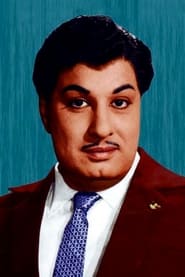
M. G. Ramachandran
Actor
Born: January 17, 1917 in Kandy, British Ceylon (now Sri Lanka) Died: December 24, 1987 Active: 1936-1987 Birth Name: Maruthur Gopalan Ramachandran
Films
5 films
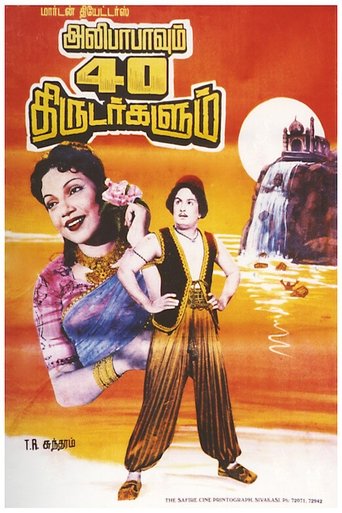
About M. G. Ramachandran
M. G. Ramachandran, commonly known as MGR, was an Indian actor, filmmaker, and politician who dominated Tamil cinema for over three decades. Born in British Ceylon (now Sri Lanka), he began his career as a stage actor before transitioning to films in the 1930s. His breakthrough came with the 1950 film 'Manthiri Kumari,' establishing him as a leading man in Tamil cinema. Throughout the 1950s and 1960s, he starred in numerous blockbuster films that showcased his unique blend of action, drama, and social messages. His films often portrayed him as a champion of the poor and oppressed, creating a powerful connection with working-class audiences. In 1972, he founded the AIADMK political party and later became the Chief Minister of Tamil Nadu in 1977, serving until his death in 1987. MGR's influence extended beyond cinema into politics, where he remained a beloved figure among millions of Tamil people.
The Craft
On Screen
MGR was known for his charismatic screen presence, distinctive body language, and signature mannerisms including his unique walking style and hand gestures. He often played roles of righteous heroes fighting against injustice, with a particular emphasis on helping the poor and marginalized. His acting combined physical prowess with emotional depth, making him believable in both action sequences and dramatic scenes. He had a distinctive voice and delivery style that became instantly recognizable to his audience.
Milestones
- Breakthrough role in 'Manthiri Kumari' (1950)
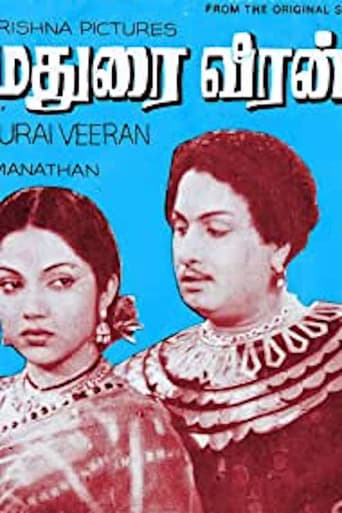
- Starred in the blockbuster 'Madurai Veeran' (1956)
- Founded his own production company, Emgeeyar Pictures
- Received the National Film Award for Best Actor for 'Rickshawkaran' (1972)
- Founded AIADMK political party in 1972
- Became Chief Minister of Tamil Nadu in 1977
- Posthumously awarded India's highest civilian honor, Bharat Ratna (1988)
Best Known For
Iconic Roles
Must-See Films
Accolades
Won
- National Film Award for Best Actor for 'Rickshawkaran' (1972)
- Filmfare Award for Best Actor (Tamil) multiple times
- Tamil Nadu State Film Awards for Best Actor multiple times
Nominated
- Filmfare Award nominations throughout the 1960s and 1970s
- Various state film award nominations
Special Recognition
- Bharat Ratna (posthumously, 1988) - India's highest civilian award
- Honorary Doctorate from University of Madras
- MGR Memorial in Chennai
- Numerous roads, institutions, and buildings named after him across Tamil Nadu
Working Relationships
Worked Often With
Studios
Why They Matter
Impact on Culture
MGR revolutionized Tamil cinema by creating a new archetype of the hero who was both physically powerful and morally upright. His films became vehicles for social messages about justice, equality, and empowerment of the poor. He used cinema as a platform to address social issues and promote values that resonated with the common person. His influence extended beyond entertainment into politics, where he successfully translated his film popularity into political power, creating a unique model of film-star politics in India.
Lasting Legacy
MGR's legacy is unparalleled in Indian cinema and politics. He remains. His films continue to be watched and celebrated, and his style has influenced generations of actors. The AIADMK party he founded continues to be a major political force in Tamil Nadu. His philanthropic work and dedication to social welfare set a precedent for celebrity involvement in social causes.
Who They Inspired
MGR influenced countless actors in Indian cinema, particularly in the way they approached hero roles and social responsibility. His success in politics inspired other film actors to enter politics across India. His unique combination of entertainment and social messaging became a template for commercial cinema in South India. Many actors have tried to replicate his screen persona and his connection with the masses, though few have achieved similar success.
Off Screen
MGR married actress V.N. Janaki in 1954, who later became an actress and politician herself. The couple had no biological children but adopted several children from orphanages. His personal life was marked by his dedication to social causes and helping the needy, often using his personal wealth to support the poor. He maintained a disciplined lifestyle and was known for his vegetarianism and teetotalism.
Education
Limited formal education due to family circumstances; mostly self-educated through reading and life experiences
Family
- V. N. Janaki (1954-1987)
Did You Know?
- He was the first film actor in India to become a Chief Minister of a state
- His films often featured him wearing a cap, which became his trademark
- He survived a shooting attempt by fellow actor M.R. Radha in 1967
- He never charged money for acting in films produced by his own company
- His initials 'MGR' became a brand name for various products and services
- He was known for his generosity and often gave away his earnings to the poor
- His funeral was attended by millions, one of the largest in Indian history
- He was a bodybuilder in his youth and maintained excellent physical fitness
- He spoke fluent Tamil despite being born in Ceylon
- His films were dubbed into multiple languages including Telugu and Hindi
In Their Own Words
I am not a politician by birth, but I am a politician by circumstance
The people are my god, and serving them is my religion
Cinema is not just entertainment, it's a powerful medium for social change
If you work hard, you can achieve anything in life
My fans are my family, and their welfare is my responsibility
Frequently Asked Questions
Who was M. G. Ramachandran?
M. G. Ramachandran, popularly known as MGR, was a legendary Tamil film actor, producer, and politician who dominated Tamil cinema for decades and later became the Chief Minister of Tamil Nadu. He was.
What films is M. G. Ramachandran best known for?
Titles linked here include Manthiri Kumari (1950), Madurai Veeran (1956).
When was M. G. Ramachandran born and when did he die?
Born January 17, 1917; died December 24, 1987.
What awards did M. G. Ramachandran win?
MGR won the National Film Award for Best Actor for 'Rickshawkaran' (1972), multiple Filmfare Awards and Tamil Nadu State Film Awards. He was posthumously awarded India's highest civilian honor, the Bharat Ratna, in 1988.
What was M. G. Ramachandran's acting style?
MGR was known for his charismatic screen presence, distinctive body language, and signature mannerisms. He typically played righteous heroes fighting injustice, with a focus on helping the poor and oppressed. His style combined physical prowess with emotional depth and social messaging.
How did M. G. Ramachandran influence politics?
MGR founded the AIADMK party in 1972 and became Chief Minister of Tamil Nadu in 1977, serving until his death. He successfully translated his film popularity into political power, creating a unique model of celebrity politics in India that inspired many others.
What was M. G. Ramachandran's legacy in cinema?
MGR revolutionized Tamil cinema by creating a new hero archetype who was both physically powerful and morally upright. His films addressed social issues and promoted values that resonated with common people, influencing generations of actors and filmmakers in Indian cinema.