
Films
1 film
About James D. Ruffin
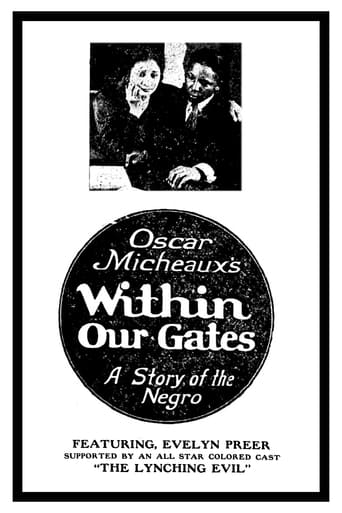
African James D. Ruffin was an American actor of the silent era, most notably in Oscar Micheaux's 1920 film 'Within Our Gates.' His career appears to have been extremely brief, with his only documented film credit being this historically significant work. Micheaux's film was created as a direct response to D.W. Griffith's controversial 'The Birth of a Nation' and presented an unflinching look at racism and violence against African Americans in the post-Reconstruction South. Ruffin was part of Micheaux's ensemble cast, which consisted primarily of African American actors who were breaking barriers in an industry dominated by white performers and stereotypes. Like many actors of color from this period, his contributions to early cinema were not extensively documented, and much of his personal history remains unknown. His appearance in 'Within Our Gates' places him within the important context of early African American filmmaking and the struggle for authentic representation on screen.
The Craft
Milestones
- Appeared in Oscar Micheaux's 'Within Our Gates' (1920), the oldest surviving feature film by an African American director
Best Known For
Must-See Films
Working Relationships
Worked Often With
Studios
Why They Matter
Impact on Culture
James D. Ruffin's participation in 'Within Our Gates' places him within the important legacy of early African American cinema. The film itself was revolutionary for its time, directly challenging the racist portrayals in mainstream Hollywood films and offering an authentic perspective on African American experiences. Though his role may have been small, Ruffin was part of a effort to create cinema by and for African Americans at a time when such representation was virtually nonexistent in mainstream media.
Lasting Legacy
James D. Ruffin's legacy is tied to the historical significance of 'Within Our Gates' as a foundational work of African American cinema. While individual details about his career and life remain obscure, his contribution to this landmark film represents the broader legacy of African American artists who worked to create authentic representations of their community during the early days of filmmaking.
Who They Inspired
As an actor in one of the earliest surviving feature films by an African American director, Ruffin was part of the foundation that would later enable generations of African American filmmakers and actors. The film itself influenced future African American cinema by demonstrating the importance of telling stories from an authentic perspective.
Off Screen
Very little is known about James D. Ruffin's personal life, which is typical for many African American actors from the silent era whose contributions were not well documented in historical records.
Did You Know?
- 'Within Our Gates' is considered the oldest surviving feature film directed by an African American
- The film was created as a direct response to D.W. Griffith's controversial 'The Birth of a Nation' (1915)
- Oscar Micheaux, the film's director, was
- The film was lost for decades before being rediscovered in Spain in the 1970s
- Many of the cast members, including Ruffin, were African American actors who rarely appeared in mainstream Hollywood films
- The film's budget was approximately $15,000, a modest sum even for 1920
- Micheaux often used non-professional actors from local African American communities
- The film was controversial upon release and was banned or heavily censored in several cities
Frequently Asked Questions
Who was James D. Ruffin?
African American with credits in this catalog.' His career appears to have been brief, with this being his only documented film credit.
What films is James D. Ruffin best known for?
Titles linked here include Within Our Gates (1920).
When was James D. Ruffin born and when did he die?
Specific birth and death dates for James D. Ruffin are not available in historical records, which is common for many supporting actors from the silent era, particularly African American performers whose biographical information was not well preserved.
What awards did James D. Ruffin win?
There are no documented awards or nominations for James D. Ruffin. During the early 1920s, the Academy Awards had not yet been established, and recognition for African American actors in mainstream cinema was virtually nonexistent.
What was James D. Ruffin's acting style?
Specific details about James D. Ruffin's acting style are not documented, as little information exists about his performance or techniques. His work in 'Within Our Gates' would have been typical of silent film acting of the period, which relied heavily on physical expression and gestures.