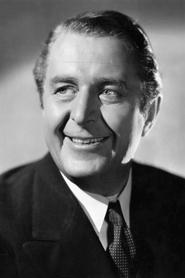
Reginald Owen
Actor
Born: August 5, 1887 in Wheathampstead, Hertfordshire, England Died: November 5, 1972 Active: 1911-1972
Films
3 films
About Reginald Owen
British character actor who enjoyed a prolific career spanning over six decades in both stage and film. Born in Hertfordshire, England, he began his acting career on the London stage before transitioning to silent films in the 1920s. Owen moved to Hollywood where he became a familiar face in supporting roles, often portraying aristocrats, doctors, and authority figures with his distinctive British accent and dignified presence. Reginald appears in more than 150 films, working with major studios including MGM and Warner Bros. His most celebrated role came in 1938 when he became the first actor to portray Ebenezer Scrooge in a sound film adaptation of 'A Christmas Carol.' Owen continued acting well into his 70s, appearing in Disney's 'Mary Poppins' as Admiral Boom in 1964. He retired to Idaho where he passed away in 1972, leaving behind a legacy as one of Hollywood's most reliable and versatile character actors.
The Craft
On Screen
Reginald Owen was known for his refined, dignified acting style characterized by impeccable diction and a commanding presence. He specialized in portraying authority figures, aristocrats, and professionals with a distinctive British reserve and precision. His technique emphasized subtlety and restraint, using minimal gestures and precise vocal delivery to convey emotion. Owen had a particular talent for playing both stern, intimidating characters and warm, paternal figures, often within the same film. His approach was classical and theatrical, reflecting his stage training, yet adapted effectively for the camera. He brought depth and authenticity to every role, no matter how small, making him.
Milestones
- First actor to play Ebenezer Scrooge in a sound film adaptation (A Christmas Carol, 1938)
- Appeared in over 150 films during his 60-year career
- Transitioned successfully from silent films to talkies
- Became one of Hollywood's most recognizable British character actors
- Appeared in Disney's Mary Poppins (1964) as Admiral Boom
Best Known For
Iconic Roles
Must-See Films
Accolades
Special Recognition
- Hollywood Walk of Fame star (6607 Hollywood Boulevard)
Working Relationships
Worked Often With
Studios
Why They Matter
Impact on Culture
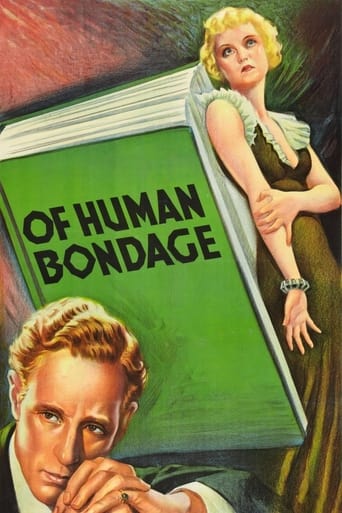
Reginald Owen made significant contributions to Hollywood's Golden Age, particularly in establishing the archetype of the British character actor in American cinema. His portrayal of Ebenezer Scrooge in 1938 set a standard for sound film adaptations of Dickens' work and influenced subsequent interpretations of the character. As one of the few British actors to successfully transition from silent films to talkies, he helped pave the way for other British actors in Hollywood. His consistent presence in major films throughout the 1930s and 1940s contributed to the international flavor of Hollywood cinema during that period. Owen's work in films like 'Mrs. Miniver' and 'Of Human Bondage' demonstrated how British actors could enhance American productions with their distinctive style and gravitas.
Lasting Legacy
Reginald Owen's legacy endures through his extensive filmography and his memorable portrayal of Ebenezer Scrooge, which remains a beloved interpretation of the classic Dickens character. He represents the archetype of the reliable, versatile character actor who could elevate any production with his presence. His career shows the importance of supporting actors in creating memorable cinema. The fact that he worked successfully from the silent era through the 1960s demonstrates remarkable adaptability and professional longevity. His star on the Hollywood Walk of Fame continues to recognize his contributions to American cinema, and his films continue to be appreciated by classic movie enthusiasts worldwide.
Who They Inspired
Owen influenced subsequent generations of British character actors in Hollywood, demonstrating that a strong British identity could be an asset rather than a hindrance in American films. His dignified approach to character acting set a standard for supporting roles in major productions. His success in both dramatic and light comedy roles showed the versatility that character actors could achieve. Younger British actors arriving in Hollywood often looked to Owen as an example of how to build a long-term career in American cinema while maintaining one's cultural identity. His work ethic and professionalism became legendary among his peers and set an example for actors in supporting roles.
Off Screen
Reginald Owen married twice during his lifetime. He was known for being a private individual who kept his personal affairs away from the public eye. Despite his long and successful career in Hollywood, he maintained his British citizenship and cultural identity throughout his life. In his later years, he retired to Boise, Idaho, where he lived until his death at age 85.
Education
Educated at St. John's Wood School in London
Family
- Beatrice Hatton (1915-1922)
- Patricia M. K. Owen (1926-1972)
Did You Know?
- He was the first actor to play Ebenezer Scrooge in a sound film adaptation of 'A Christmas Carol' (1938)
- He appeared in over 150 films during his career
- He was originally considered for the role of Professor Henry Higgins in 'My Fair Lady' (1964)
- He served in the British Army during World War I
- He was a cousin of actor Robert Morley
- He was one of the few actors to successfully transition from silent films to talkies without losing his career momentum
- He was nearly 77 years old when he appeared in 'Mary Poppins' (1964)
- He was originally a stage actor in London before moving to Hollywood
- He often played characters much older than his actual age
- He was a skilled horseman and performed many of his own riding stunts in westerns
In Their Own Words
I've never been a star, but I've always worked with stars. That's been my secret - I'm the reliable one.
Playing Scrooge was the challenge of my career. To make that old miser sympathetic without losing his Dickensian essence was a delicate balance.
In Hollywood, a British accent is either a curse or a blessing. For me, it was my bread and butter.
Character actors are the spices in the stew of cinema. Without us, the main ingredients would taste rather bland.
Frequently Asked Questions
Who was Reginald Owen?
British character with credits in this catalog. He was best known for his dignified portrayals of authority figures and aristocrats, and famously became the first actor to play Ebenezer Scrooge in a sound film adaptation of 'A Christmas Carol' in 1938.
What films is Reginald Owen best known for?
Titles linked here include A Christmas Carol (1938), Mary Poppins (1964).
When was Reginald Owen born and when did he die?
Born August 5, 1887; died November 5, 1972.
What awards did Reginald Owen win?
While Reginald Owen did not receive major acting awards during his career, he was honored with a star on the Hollywood Walk of Fame at 6607 Hollywood Boulevard, recognizing his significant contributions to American cinema.
What was Reginald Owen's acting style?
Reginald Owen was known for his refined, dignified acting style characterized by impeccable diction and a commanding presence. He specialized in portraying authority figures with British reserve and precision, using subtlety and restraint to convey emotion, reflecting his classical theatrical training adapted for the camera.
How long was Reginald Owen's career?
Reginald Owen's active years covered an impressive 60 years, from 1911 to 1972. He began on the London stage, transitioned to silent films, successfully adapted to talkies, and continued acting into his 70s, making him one of Hollywood's most enduring character actors.
Did Reginald Owen serve in the military?
Yes, Reginald Owen served in the British Army during World War I before pursuing his acting career full-time. His military service interrupted his early theatrical work but he returned to acting after the war.
What was Reginald Owen's final film role?
Reginald Owen's final film role was as Admiral Boom in Disney's 'Mary Poppins' (1964), when he was nearly 77 years old. This memorable performance came near the end of his long and career.