Pandari Bai
Actor
Born: September 18, 1928 in Bhatkal, Karnataka, India Died: January 29, 2003 Active: 1943-1999
Films
3 films
About Pandari Bai
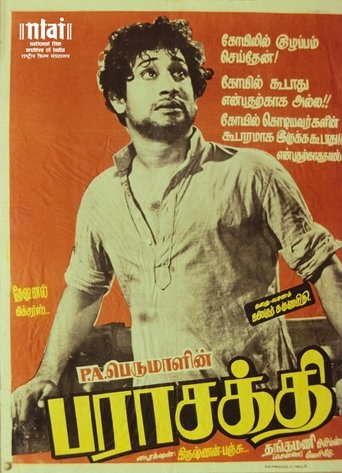
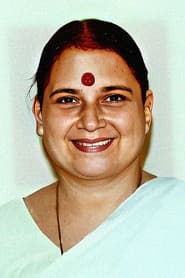
Actress in Indian cinema, particularly in South Indian films, who began her career in the 1940s and became respected character actresses in Indian film history. She started as a leading lady in films like 'Valmiki' (1946) but transitioned seamlessly into character roles, especially mother figures, becoming the quintessential mother in South Indian cinema. Her breakthrough came with 'Parasakthi' (1952), which was Sivaji Ganesan's debut and established her as a formidable actress. Over a career spanning more than five decades, she appeared in over 1,000 films across Tamil, Telugu, Kannada, Hindi, and Malayalam languages, making her prolific actresses in Indian cinema. Pandari Bai's performances were marked by their naturalism and emotional depth, bringing dignity and authenticity to roles that were often stereotypical. She continued acting well into the 1990s, leaving behind a legacy of memorable performances that influenced generations of actresses and set new standards for character acting in Indian cinema.
The Craft
On Screen
Naturalistic and emotionally authentic, known for her ability to convey deep emotions through subtle expressions and dialogue delivery. She brought dignity and gravitas to mother roles, avoiding melodramatic clichés while maintaining the emotional core of her characters. Her performances were marked by restraint and realism, setting her apart from the theatrical style prevalent in early Indian cinema.
Milestones
- Debut in 'Valmiki' (1946)
- Breakthrough role in 'Parasakthi' (1952)
- Appeared in over 1,000 films across five languages
- Won Filmfare Award for Best Actress (Tamil) for 'Thirudathe' (1961)
- Received Kalaimamani award from Tamil Nadu government
- Successfully transitioned from heroine to character roles
- Became the most prolific character actress in South Indian cinema
Best Known For
Iconic Roles
Must-See Films
Accolades
Won
- Filmfare Award for Best Actress (Tamil) for Thirudathe (1961)
- Tamil Nadu State Film Award for Best Character Actress (multiple years)
- Kalaimamani Award from Tamil Nadu Government
Nominated
- Multiple Filmfare Award nominations throughout the 1960s and 1970s
- Tamil Nadu State Film Award nominations
Special Recognition
- Recognized as
- Honored at various film festivals for her contributions to Indian cinema
- Posthumously remembered as the 'Mother of South Indian Cinema'
Working Relationships
Worked Often With
Studios
Why They Matter
Impact on Culture
Pandari Bai revolutionized the portrayal of mother figures in Indian cinema, bringing dignity and authenticity to roles that were often reduced to stereotypes. She demonstrated that character actors could be as crucial to a film's success as the leads, paving the way for future generations of character actresses. Her work across multiple South Indian film industries helped bridge cultural and linguistic barriers within Indian cinema, creating a unified artistic standard for character acting. She elevated the status of supporting roles, proving that powerful performances could come from any position in the cast hierarchy.
Lasting Legacy
Pandari Bai is remembered as one of Indian cinema's most respected and prolific character actresses, with a career spanning over 50 years and more than 1,000 films to her credit. Her ability to transition from heroine to character roles seamlessly set a precedent for career longevity in Indian films, showing that actresses could remain relevant and successful beyond their youth. Many of her performances are still studied in film schools as examples of nuanced character acting, and she remains the benchmark against which mother roles in South Indian cinema are measured. Her legacy includes not just her films but also the professional standards she set for dedication, punctuality, and artistic integrity.
Who They Inspired
She influenced generations of character actresses in South Indian cinema, including Padmini, Srividya, and Manorama, who looked up to her as a role model for maintaining dignity in supporting roles. Her natural acting style inspired actors to move away from theatrical performances toward more realistic portrayals, contributing to the evolution of acting styles in Indian cinema. Many leading actors considered it an honor to have her play their mother on screen, and her approach to character acting became a template for future generations of performers in Indian cinema.
Off Screen
Pandari Bai married director B. R. Panthulu in 1958, who was both her husband and mentor in the film industry. They had no children together. Despite her immense popularity and the glamorous nature of her profession, she maintained a private and dignified personal life. After her husband's death in 1974, she continued her acting career with the same dedication and professionalism that had characterized her entire career. She was known for her simplicity, punctuality, and dedication to her craft, earning respect from colleagues and fans alike.
Education
Limited formal education; entered films at a young age and learned through practical experience in the industry
Family
- B. R. Panthulu (1958-1974)
Did You Know?
- Appeared in over 1,000 films, making her
- Worked in five different languages: Tamil, Telugu, Kannada, Hindi, and Malayalam
- Often played mother to actors who were actually younger than her in real life
- Despite her massive output, she maintained high quality standards for all her performances
- Was one of the highest-paid character actresses of her time
- Continued acting even after her husband's death in 1974
- Many leading actors considered it an honor to have her play their mother on screen
- Known for her exceptional punctuality and professionalism on film sets
- Successfully ran a production company with her husband B. R. Panthulu
- Her last film appearance was in the late 1990s, marking a career spanning over 50 years
- She was one of the few actresses who successfully made the transition from heroine to character roles
- Received the Kalaimamani award, Tamil Nadu's highest artistic honor
In Their Own Words
An actress never retires, she just gets better roles as she ages
Playing a mother on screen is not about age, it's about understanding the emotion and bringing authenticity to it
Cinema is not just entertainment; it's a responsibility to touch people's lives
Frequently Asked Questions
Who was Pandari Bai?
Indian actress who worked primarily in South Indian cinema from the 1940s to the 1990s. She appeared in over 1,000 films across five languages and was renowned for her character roles, particularly as mother figures, becoming.
What films is Pandari Bai best known for?
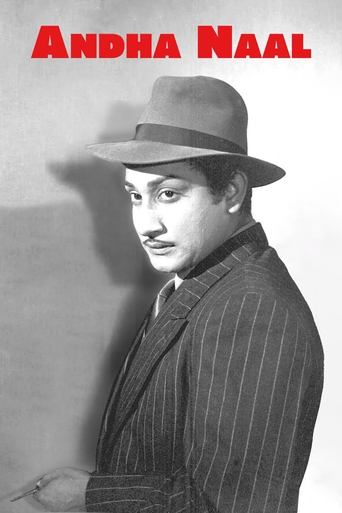
Titles linked here include Parasakthi (1952), Andha Naal (1954).
When was Pandari Bai born and when did she die?
Born September 18, 1928; died January 29, 2003.
What awards did Pandari Bai win?
Pandari Bai won several prestigious awards including the Filmfare Award for Best Actress (Tamil) for 'Thirudathe' (1961), multiple Tamil Nadu State Film Awards for Best Character Actress, and the Kalaimamani award from the Tamil Nadu government, which is the state's highest artistic honor.
What was Pandari Bai's acting style?
Pandari Bai was known for her naturalistic and emotionally authentic acting style, characterized by subtle expressions and realistic dialogue delivery. She brought dignity and gravitas to her roles, particularly mother figures, avoiding melodramatic clichés while maintaining emotional depth, which set her apart from the theatrical style common in early Indian cinema.
How did Pandari Bai influence Indian cinema?
Pandari Bai revolutionized character acting in Indian cinema by elevating supporting roles and bringing authenticity to mother figures. She proved that character actors could be as crucial as leads, influenced generations of actresses, and contributed to the evolution from theatrical to realistic acting styles in Indian cinema. Her career longevity and professionalism set new standards in the industry.
Was Pandari Bai married?
Yes, Pandari Bai married director B. R. Panthulu in 1958, who was both her husband and mentor in the film industry. They remained married until his death in 1974, and they had no children together. Despite her husband's death, she continued her successful acting career for many more years.