Anthony Gildès
Actor
- Active
- 1917-1917
Films 1
About Anthony Gildès
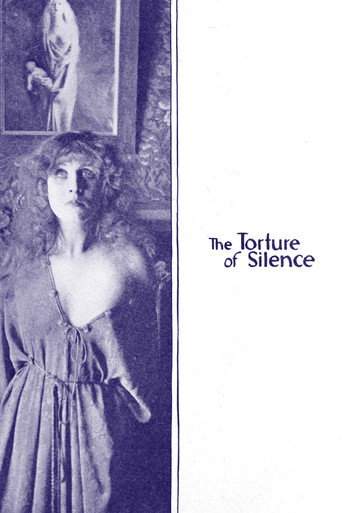
Anthony Gildès was a French stage and screen actor associated with the silent era and early French cinema, remembered today primarily for his appearance in the 1917 film The Torture of Silence. His surviving film record is very limited, and available reference sources indicate only a brief cinematic activity in the 1910s rather than a long screen career. As with many European performers of the period, he appears to have been rooted in the theater before or alongside his work in film, bringing stage-trained presence to silent-picture performance. Because documentation on his life is sparse, many personal details such as his birth and death information are not securely established in widely accessible film-history references. Even so, his credited participation in a notable 1917 production places him among the many character actors who helped shape early narrative cinema in France. His career is representative of a generation of performers whose screen work survives in fragments, leaving modern historians to reconstruct their importance from incomplete archival traces. He remains of interest chiefly to silent-film scholars, archival researchers, and databases documenting overlooked European cinema personnel.
More about Anthony Gildès
On screen
No detailed contemporary criticism of Anthony Gildès's acting style is readily available in accessible reference sources. Given the period and medium, his screen work would have relied on silent-era techniques such as expressive facial gesture, controlled body movement, and theatrical clarity of emotion. Like many actors of the 1910s, he likely adapted stage training for the more intimate demands of film performance. Without surviving reviews or production notes, any more specific description would be speculative.
In film history
Anthony Gildès's cultural impact lies less in celebrity than in his place within the broader fabric of early French cinema. Performers like him gave silent films their lived-in realism, helping bridge the traditions of the theater and the new visual language of motion pictures. Even when only a single credited film survives in the record, such actors are significant because they contributed to the production ecology that made feature-length storytelling possible during the 1910s. For modern audiences and researchers, his name is a reminder that cinema history is not made only by stars but also by the many working actors whose identities are preserved in filmographies, posters, and archival catalogues. His presence in The Torture of Silence connects him to the wartime era of French filmmaking, when national cinema was adapting under difficult historical conditions.
Later reputation
Anthony Gildès's legacy is archival and historical: he is part of the documentary record of silent French cinema, even though the surviving public information about him is minimal. In film history, such figures matter because they help reconstruct cast networks, production practices, and the professional world of early screen acting. His name persists as evidence of the many performers whose work was woven into the silent era but who were not preserved as major stars. For database users and historians, he stands as a representative of the countless lesser-known actors whose contributions are essential to a full account of early cinema.
Influence
There is no securely documented direct influence by Anthony Gildès on later actors or directors in the available reference record. His importance is indirect: he exemplifies the stage-to-screen transition common among European performers in the silent period, contributing to the acting norms that later generations inherited and refined. By participating in early feature filmmaking, he helped sustain the conventions of expressive silent performance that shaped audience expectations. His legacy therefore resides in the broader evolution of French screen acting rather than in identifiable personal mentorship or celebrity influence.
Off screen
Very little verifiable information is publicly available about Anthony Gildès's personal life. Standard film-reference sources do not clearly document his family background, marital history, or domestic life, and there is no well-established biographical record in common circulation. As a result, any claims about spouses, children, or private circumstances would be unsubstantiated. He is best understood as one of the many early film performers whose professional traces outlast their personal archives.
Credits
- Appeared in the silent-era film The Torture of Silence (1917)
- Represents the class of French stage-trained performers who transitioned into early cinema
- Recorded screen activity dating from the World War I era, a formative period for French filmmaking
- Documented as a classic cinema personality despite very limited surviving biographical data
Roles
- Role in The Torture of Silence (1917)
Films
- The Torture of Silence (1917)
Notes
- Anthony Gildès is chiefly documented today through a single known film credit: The Torture of Silence (1917).
- He belongs to the cohort of early French actors whose careers are difficult to reconstruct because archival records are incomplete.
- His surviving filmography places him in the World War I era, a particularly important period for French silent cinema.
- He is not widely represented in mainstream biographical sources, which suggests he was likely a supporting or character performer rather than a major star.
- Because his personal records are scarce, he is of special interest to silent-film researchers and database historians.
- His name appears in film-history contexts that emphasize the many under-documented artists who contributed to early cinema.
Questions
Who was Anthony Gildès?
Anthony Gildès was a French actor from the silent-film era, best known from surviving records for appearing in The Torture of Silence (1917). Very little biographical information about him has survived in accessible reference sources, so he is primarily known through his film credit rather than an extensive public life story.
What films is Anthony Gildès best known for?
He is best known for The Torture of Silence (1917), which is the principal surviving title associated with his screen work. At present, no broader body of film roles is securely documented in common reference sources.
When was Anthony Gildès born and when did he die?
His birth and death dates are not securely established in the widely accessible film-reference material available today. Likewise, his birth and death places are not reliably documented in the public record currently available.
What awards did Anthony Gildès win?
No awards or formal honors are known to be documented for Anthony Gildès in the available historical record. This is not unusual for early silent-era performers whose careers were recorded unevenly and often without later retrospective recognition.
What was Anthony Gildès's acting style?
No detailed critical descriptions of his acting survive in commonly accessible sources, but as a silent-era performer he would have relied on expressive gesture, physical clarity, and facial nuance. Actors of his period often brought stage discipline to film, balancing dramatic intensity with the restrained visual language of early cinema.
What is Anthony Gildès's legacy in film history?
His legacy is that of an under-documented but historically meaningful participant in early French cinema. He represents the many supporting performers whose work helped shape silent-era storytelling even when their names did not become widely famous.