1917 · Approximately 70 minutes

Also available on: YouTube
The Torture of Silence

The Torture of Silence

1917 Approximately 70 minutes France
Marital neglectForbidden desireEmotional repressionDuty versus intimacyGuilt and consequence

Plot

Dr. Lucien Darier, a physician devoted to pediatrics, is so consumed by his professional duties that he leaves his wife Marthe emotionally isolated and neglected. Starved for affection and trapped in a marriage of silence, Marthe becomes vulnerable to the attentions of her husband’s brother, and the two begin a clandestine affair. The deception proves increasingly unbearable as guilt, desire, and domestic duty collide, pushing Marthe toward a desperate act of self-destruction. When she attempts to shoot herself, the tragedy turns catastrophic: it is her lover who is mortally wounded, exposing the emotional wreckage created by neglect and secrecy.

About the Production

Release Date 1917
Production Films Abel Gance
Filmed In France

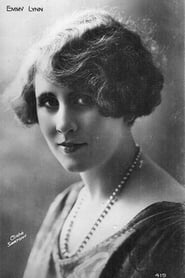
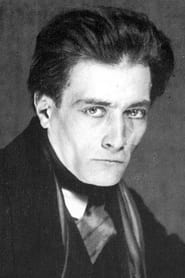
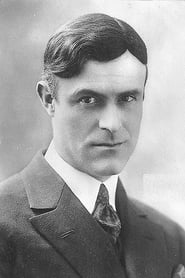
The film was directed by Abel Gance during the silent era, when he was developing the formal and emotional concerns that would later define his major epics. Surviving documentation on the production is limited, but the film is known as an early example of Gance’s interest in heightened psychological melodrama and the emotional consequences of social restraint. Like many French films of the period, it was produced under industrial conditions that left few detailed financial records, and exact budgetary information has not survived. The cast included noted stage actor Firmin Gémier alongside Emmy Lynn and Armand Tallier, reflecting the era’s frequent collaboration between theater and cinema.

Historical Background

The film was made in 1917, during the First World War, a period that profoundly affected French society, the film industry, and everyday life. French cinema was operating under wartime strain, with reduced resources, changing audiences, and a cultural atmosphere marked by anxiety, sacrifice, and social disruption. In that environment, domestic melodrama offered a way to stage private suffering that resonated with broader wartime feelings of absence, duty, and emotional deprivation. The film also reflects early 20th-century concerns about marriage, female desire, professional obligation, and the dangers of repression, all topics that were common in literary and theatrical culture of the time.

Why This Film Matters

Although not one of Abel Gance’s most famous titles, The Torture of Silence is important as part of the director’s early body of work and as an example of French silent melodrama before the great postwar experiments in cinematic form. It demonstrates how Gance was already interested in the psychological consequences of silence, duty, and emotional estrangement, themes he would later expand with greater visual ambition. For historians of silent film, it is also valuable as a marker of wartime French production and as evidence of the close relationship between theater and cinema in the 1910s. Its relative obscurity today makes it of particular interest to archive-based scholarship and to viewers tracing the evolution of Gance’s style.

Making Of

The Torture of Silence belongs to Abel Gance’s early period, when he was still working within the conventions of French melodrama while testing ways to intensify emotional expression on screen. The production brought together performers from both stage and screen, especially Firmin Gémier, whose theatrical authority would have lent the film a heightened dramatic style. As with many French films made during World War I, the production took place in a film culture shaped by wartime shortages, limited archival preservation, and the pressures of an industry trying to maintain output under difficult conditions. Specific behind-the-scenes anecdotes have not survived in readily available reference materials, but the film is generally regarded as part of Gance’s development toward more elaborate visual and psychological storytelling.

Visual Style

The film’s visual style belongs to the silent-era French dramatic tradition, favoring expressive framing and emotional clarity over the elaborate montage and mobile-camera bravura that would become associated with Gance’s later masterpieces. While precise shot-by-shot descriptions are limited, the film is understood as using the visual language of melodrama: careful staging, close attention to gesture, and stark emphasis on interpersonal tension. Silent cinema of this period often relied on strongly composed interiors to dramatize marital conflict, and the film likely uses these conventions to underscore the suffocating atmosphere implied by its title. Its imagery would have been shaped by the need to communicate emotional states without dialogue, making body language and pictorial contrast central to its effect.

Innovations

There are no widely documented technical innovations uniquely associated with this film, but it is historically notable as part of Abel Gance’s early exploration of silent-film expression. Its achievement lies less in a single invention than in the shaping of melodrama through visual storytelling, a field in which Gance was becoming increasingly accomplished. The film contributes to the evolution of psychologically intense French cinema by translating emotional repression into images and dramatic situation. As an early Gance title, it is also part of the groundwork that led to his later experimentation with scale, rhythm, and visual intensity.

Music

As a silent film, The Torture of Silence originally had no synchronized recorded soundtrack. It would have been shown with live musical accompaniment, typically a pianist or small ensemble, depending on the venue and exhibition context. No universally documented original score has survived in the standard reference record for the film. Any modern presentations would likely use a later curated accompaniment created for archival screenings or restorations, if available.

Memorable Scenes

  • Marthe’s desperate attempt to end her life after her emotional isolation becomes unbearable.
  • The fatal climax in which the lover is mortally wounded, transforming private guilt into public tragedy.
  • The recurring domestic scenes that emphasize the emotional distance between husband and wife and the oppressive quiet at the heart of the story.

Did You Know?

  • The film is an early Abel Gance melodrama made well before his best-known silent epics such as La Roue and Napoléon.
  • Emmy Lynn, a popular silent-era actress, was frequently cast by Gance and became one of the recognizable faces associated with his early films.
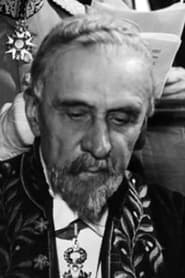
  • Firmin Gémier was a major theatrical figure in France, better known as a stage actor and director, which gives the film a strong connection to contemporary French theater culture.
  • The story centers on medical duty versus domestic intimacy, a theme that appears repeatedly in Gance’s early work and later in his more ambitious films.
  • Because of the limited surviving production records from French cinema in 1917, many details such as budget, shooting schedule, and exact premiere venue are not securely documented.
  • The film is an example of the psychologically oriented domestic drama that was common in European silent cinema during World War I.
  • Its original French title, La torture du silence, emphasizes emotional repression rather than physical violence, underscoring the film’s melodramatic tone.
  • The film is sometimes discussed in film histories as a lesser-known but important part of Abel Gance’s formative years as a director.
  • The narrative’s fatal climax reflects the era’s fascination with moral consequence, sexual secrecy, and the destructive effects of marital alienation.
  • Its survival status is not well documented in widely circulated reference sources, making it a title of interest to archivists and silent-film researchers.

What Critics Said

Contemporary reviews are not widely preserved in mainstream English-language sources, so the film’s initial critical reception is difficult to reconstruct in detail. In modern film-historical writing, it is usually treated as a lesser-known but significant early work by Abel Gance rather than as a major masterpiece. Critics and scholars who mention it tend to focus on its place in Gance’s development, its melodramatic structure, and its reflection of early French silent-era concerns. Because it is not among the director’s most frequently screened films, its modern reputation is tied more to archival and historiographic interest than to broad critical debate.

What Audiences Thought

Audience response at the time is not well documented in the surviving record. As a 1917 French melodrama with strong emotional conflict and recognizable star performers, it would likely have appealed to audiences accustomed to domestic tragedy and psychologically charged stories. Today, the film is mainly encountered by silent-film enthusiasts, researchers, and festival programmers rather than mass audiences. Its current reception is therefore shaped more by historical curiosity and cinephile interest than by widespread popular viewership.

Film Connections

Influenced By

  • French stage melodrama
  • Early psychological drama in European silent cinema
  • Contemporary literary domestic tragedies

This Film Influenced

  • Later Abel Gance melodramas
  • Psychological domestic dramas in French silent cinema
  • Wartime-era melodramas concerned with repression and marital conflict

Film Restoration

Preservation status is unclear in widely accessible reference sources; the film is a rare silent-era title and may survive only in incomplete or archival form if extant at all. It is not widely available on commercial home video or mainstream streaming platforms.

Themes & Topics