Au secours !
Plot
At a drunken society gathering, Max accepts a reckless wager that he can spend a full hour in a haunted castle without crying for help, with the critical hour running from 11 p.m. to midnight. Once inside, he is immediately beset by eerie, comic, and increasingly nightmarish apparitions that turn the challenge into a surreal ordeal. The castle seems to transform around him, mixing supernatural terror with physical comedy in a style that lets Max Linder’s trademark panic play against Abel Gance’s visual imagination. Just when he appears close to winning the bet, a telephone call brings startling news that changes the stakes of the night and brings the story to its abrupt, comic resolution.
Director
Abel GanceAbout the Production
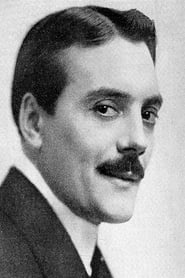
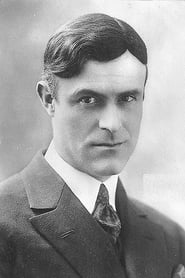
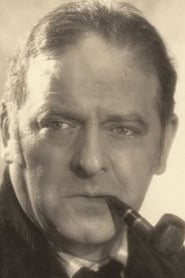
Au secours ! was made by Abel Gance as a short comic-horror vehicle for Max Linder, blending slapstick with expressionistic scares at a time when Gance was already experimenting boldly with camera movement, distortion, and atmosphere. The film is notable for its compact structure and for using a haunted-house premise as a playground for visual gags, mock terror, and hallucination-like effects rather than straightforward horror. As with many silent-era productions of the period, precise surviving production records such as budget and exact studio details are incomplete or inconsistently documented. The cast also includes prominent character actors Gaston Modot and Jean Toulout, helping anchor the film in the broader French silent-cinema milieu.
Historical Background
Au secours ! was produced in 1924, in the late silent era, when French cinema was recovering its identity after World War I and competing with the increasing industrial dominance of Hollywood. This was also a period of major artistic experimentation in Europe, with filmmakers drawing on theatrical melodrama, expressionist design, surreal imagery, and more mobile camera techniques to expand what cinema could do visually. Abel Gance was one of the leading innovators of the era, associated with ambitious formal experimentation, while Max Linder represented an earlier generation of international screen comedy whose influence extended well beyond France. The film matters historically because it sits at the intersection of comic performance and stylized horror, showing how silent cinema could blend genres without dialogue and still produce clear, dynamic storytelling. It also reflects the era’s fascination with haunted spaces, modern technology, and psychological unease, all filtered through a comic lens.
Why This Film Matters
The film is significant as an early example of horror-comedy in French cinema, using a haunted-house scenario to explore fear through laughter rather than suspense alone. Its value today lies partly in the way it preserves Max Linder’s elegant comic style within a more expressionistic framework, offering a bridge between the vaudeville-derived traditions of early screen comedy and the more visually ambitious cinema of the 1920s. For Abel Gance studies, it demonstrates that his creative range was not limited to monumental epics; he could also apply his visual imagination to a short, playful genre piece. The film is of interest to historians of silent horror and comedy alike because it anticipates later genre hybrids that mix the uncanny with slapstick timing, a formula that remains influential in cinema and television.
Making Of
Au secours ! was conceived during a period when Abel Gance was exploring a wide range of formats and styles, and it stands as a compact demonstration of his formal energy. Casting Max Linder was a significant draw, since Linder was among the most admired screen comics of the era and could carry a film almost entirely through gesture, timing, and reaction. The haunted-castle material allowed Gance to combine theatrical set design, shadowy lighting, and visual trickery with Linder’s precise physical performance, creating a tone that oscillates between menace and farce. Because the film was made in the silent era, the storytelling depends heavily on staging, pantomime, and rhythm, and its comic effectiveness rests on the careful escalation of scares rather than dialogue-based punchlines. Surviving documentation on production circumstances is limited, but the film is generally regarded as a showcase of Gance’s inventive direction and Linder’s control of comic persona.
Visual Style
The film’s visual style relies on silent-era black-and-white imagery, strong contrast, and expressive mise-en-scène to create a haunted atmosphere that still supports comedy. Gance was known for energetic staging and visual dynamism, and the film benefits from suspenseful framing, sudden reveals, and playful use of space within the castle interior. The cinematography likely emphasizes shadows, distorted movement, and the grotesque exaggeration of faces and objects, helping turn the castle into a theatrical nightmare. Its appeal lies less in realistic horror effects than in the stylization of fear: the camera and set design work together to make the environment feel unstable, comic, and dreamlike.
Innovations
The film’s chief technical achievement lies in its controlled blending of comic timing with horror atmosphere, a difficult tonal balance in silent cinema. Abel Gance’s direction likely makes use of in-camera tricks, stylized lighting, and carefully choreographed entrances and reactions to produce a sequence of uncanny events that remain legible even without dialogue. The haunted-castle setting allows for inventive spatial staging, with the architecture functioning almost as a character in the film. While it is not known for a single headline innovation on the scale of Gance’s later epics, it is notable for compressing visual invention into a short-form genre piece and for demonstrating how silent film could generate tension, surprise, and laughter through purely visual means.
Music
As a silent film, Au secours ! had no synchronized recorded soundtrack at release. Like most silent-era films, it would have been accompanied by live music in theaters, often improvised by a pianist or provided from cue sheets or local musical practices depending on the venue. No universally standardized original score is widely documented for the film in surviving reference sources. Modern screenings may use archival or newly composed accompaniment.
Famous Quotes
No synchronized dialogue survives with the film, as it is a silent production.
The film is best remembered through its visual comedy and title-card-driven storytelling rather than quotable spoken lines.
Memorable Scenes
- Max entering the haunted castle and immediately being confronted by a series of unsettling, comic apparitions that test his nerve.
- The escalation of surreal visions inside the castle, where the environment seems to conspire against him while still allowing room for physical comedy.
- The climactic telephone call that abruptly shifts the meaning of the wager and punctures the supernatural tension.
Did You Know?
- The film reunites two major figures of silent French cinema: director Abel Gance and comic star Max Linder.
- Despite its title and haunted setting, the film plays as a comedy first, with horror used as an engine for visual gags and escalating panic.
- The premise is built around a single one-hour challenge, giving the film a tight real-time structure unusual for silent shorts.
- Gance was known for pushing expressive cinematic technique, and this film is often cited as an example of his ability to mix genres and moods.
- Max Linder, already internationally famous before the film was made, brings his refined, gentlemanly comic persona into a gothic environment.
- The story’s final turning-point depends on a telephone call, a modern device that punctures the old-dark-house atmosphere with contemporary intrusion.
- The film is sometimes discussed in relation to early French horror-comedy rather than pure horror, because its scares are intentionally undercut by slapstick timing.
- Its survival is important because many silent shorts from the period have been lost or survive only in fragmentary form, making extant copies especially valuable to scholars.
- The film’s mixture of dreamlike imagery and physical comedy anticipates later hybrid horror-comedies that rely on visual exaggeration rather than dialogue.
- Abel Gance later became far more famous for large-scale epics, but this short shows his flexibility and taste for cinematic experimentation in miniature.
What Critics Said
Contemporary critical documentation is limited compared with later landmark works by Gance and Linder, but the film has generally been valued by historians for its ingenuity, genre blending, and the way it showcases both men’s talents. Modern critical appreciation tends to focus on its compact structure, its visual inventiveness, and its place within Abel Gance’s broader filmography as a lesser-known but revealing short. Scholars and silent-film enthusiasts often regard it as a charming and inventive curiosity that rewards attention for its atmospheric tricks and its disciplined comic escalation. Because it is not as widely circulated as Gance’s major features, its reputation is stronger among archivists and historians than among general audiences, though it is respected as a quality example of early French screen comedy-horror.
What Audiences Thought
Audience reception at the time is not well documented in surviving trade and review material, but the presence of Max Linder would likely have made the film immediately accessible to contemporary viewers familiar with his comic persona. Its humor depends on visual reaction, slapstick discomfort, and the deflation of horror tropes, which would have played effectively for silent-era audiences accustomed to expressive pantomime. Modern audiences tend to respond to it as a clever, concise, and atmospheric short that feels both old-fashioned and surprisingly modern in its genre mashup. It is especially appealing to viewers interested in silent comedy, early horror imagery, and the work of Abel Gance.
Film Connections
Influenced By
- Gothic haunted-house stories and stage melodrama
- Early French comic performance traditions
- Silent-era trick-film and illusion cinema
- Max Linder's established gentleman-comedian persona
- Expressionist visual styling from European silent cinema
This Film Influenced
- Later horror-comedy shorts and features that blend slapstick with the supernatural
- French genre hybrids that mix comedy, gothic atmosphere, and visual exaggeration
- Subsequent haunted-house comedies that use escalating visual gags rather than dialogue-driven humor
You Might Also Like
More Comedy Films
View allMore from Abel Gance
View allFilm Restoration
The film is known to survive in viewable form and is not considered a lost film, though availability may be limited and copies may circulate through archival or specialized sources rather than mainstream commercial release. Its survival makes it an important piece for silent-film preservation and study.