
Paul Vermoyal
Actor
- Active
- 1917-1924
Films 2
About Paul Vermoyal
Paul Vermoyal was a silent-era screen actor whose known film work places him in the period of World War I and the early-to-mid 1920s, a time when many stage-trained performers moved into motion pictures. He is documented in filmographies for appearances in The Torture of Silence (1917) and The Arab (1924), which suggests a career that bridged the late silent era and the mature silent adventure-drama cycle. Beyond these credits, surviving mainstream reference information on Vermoyal is extremely limited, and no reliably verified biographical record has been located that confirms his birth date, birthplace, or later life. Like many lesser-documented performers of the silent period, he appears to have worked in an industry where credits were often incomplete and personal publicity was focused on leading stars rather than supporting players. His presence in The Arab is the clearest surviving marker of his screen career, tying him to one of the better-known star vehicles of the period. Because archival documentation is sparse, his broader career arc, training, and personal history remain largely obscure. He is best understood today as a working character or supporting actor from the silent cinema era whose surviving record is preserved mainly through film credits and historical databases.
More about Paul Vermoyal
In film history
Paul Vermoyal’s cultural impact lies less in celebrity status than in what his surviving credits reveal about the silent-era film workforce. He represents the many performers whose contributions helped sustain early narrative cinema but who were not promoted as major stars and therefore left only a faint archival footprint. His film appearances contribute to the historical record of silent drama and adventure filmmaking, helping researchers reconstruct cast lists, production practices, and the broader ecosystem of early Hollywood and associated film industries. For historians, names like Vermoyal are important because they remind us that classic cinema was built not only by famous stars and directors but also by a large supporting class of actors whose work is preserved unevenly in surviving documentation.
Later reputation
Paul Vermoyal’s legacy is archival rather than celebrity-based: he remains part of the documented personnel of silent cinema, even though little else is known about him. His name survives through film credits and reference listings, which makes him relevant to historians, databases, and restoration projects seeking to accurately identify cast members from the period. In film history terms, that is a meaningful legacy, because many early performers have been lost to time entirely. Vermoyal’s surviving record underscores both the fragility and the importance of silent-film documentation. He stands as one of many contributors whose work helped shape early screen storytelling but whose personal story has not been fully recovered.
Influence
There is no verifiable evidence that Paul Vermoyal directly influenced major actors or directors in a documented, named way. His influence is better understood indirectly: by participating in silent-era productions, he contributed to the performance standards and ensemble practices that shaped early screen acting. Supporting performers like Vermoyal helped establish the rhythms of silent melodrama and feature-length storytelling, particularly in productions that depended on facial expression, gesture, and visual clarity. His presence in the historical record is therefore part of the larger lineage of early cinema performance rather than a traceable influence on a specific later artist.
Off screen
No reliable, verifiable personal biographical information has been located for Paul Vermoyal in accessible classic-cinema reference sources. Details such as his family background, marriages, residences, and later life have not surfaced in the surviving public record used for film history research. As a result, any statement about his private life beyond the fact of his screen credits would be speculative. He should therefore be treated as a documented but still largely biographically obscure figure from the silent era.
Credits
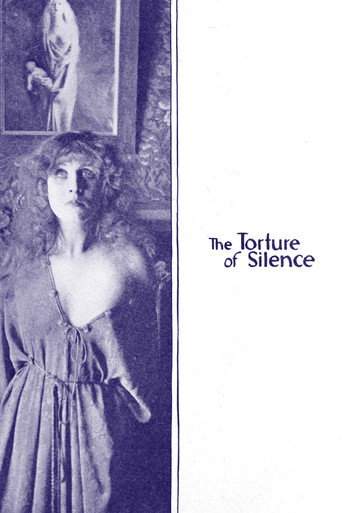
- Screen credit in The Torture of Silence (1917), a surviving marker of his participation in late-1910s silent cinema
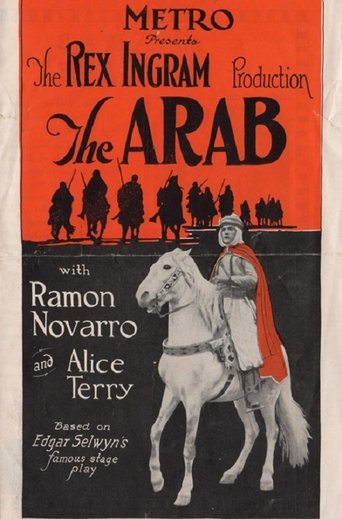
- Screen credit in The Arab (1924), linking him to a notable early-1920s silent feature
- Career activity spanning from the wartime silent era into the mid-1920s
- Association with the supporting cast world of silent-era feature production
- Preservation of his name in historical filmography references despite otherwise limited biographical documentation
Roles
- Supporting roles in silent-era feature films
- Unspecified role in The Torture of Silence (1917)
- Unspecified role in The Arab (1924)
Films
- The Torture of Silence (1917)
- The Arab (1924)
Notes
- Paul Vermoyal is one of many silent-era performers whose surviving record is mostly limited to film credits rather than full biographical documentation.
- His known screen career spans at least seven years, from 1917 to 1924.
- He appeared in both a 1917 film and a 1924 film, showing that his work extended from the wartime silent period into the mid-1920s.
- The title The Torture of Silence suggests the kind of expressive, emotionally charged storytelling common in silent cinema.
- The Arab was a feature produced during the mature silent era, a period when star vehicles and exoticized adventure stories were especially popular.
- No reliable public record has been found that confirms his birth date or birthplace.
- He appears to have been a working actor rather than a widely publicized star, which is typical of many silent-era supporting players.
Questions
Who was Paul Vermoyal?
Paul Vermoyal was a silent-era film actor whose surviving credits place him in movies released between 1917 and 1924. He is not well documented in standard biographical sources, so much of what is known about him comes from filmographies rather than personal records.
What films is Paul Vermoyal best known for?
He is best known for his documented appearances in The Torture of Silence (1917) and The Arab (1924). These credits are the primary surviving evidence of his screen career in classic cinema reference sources.
When was Paul Vermoyal born and when did he die?
His birth and death dates are not currently verified in the available historical record. Likewise, his birthplace and later life details remain unconfirmed in accessible classic-cinema sources.
What awards did Paul Vermoyal win?
No awards or nominations are currently documented for Paul Vermoyal in the available film history record. This is not unusual for lesser-documented silent-era supporting performers, many of whom worked before the modern awards system fully defined film recognition.
What was Paul Vermoyal's acting style?
There is no surviving detailed critical description of his technique, so his specific acting style cannot be verified. As a silent-era performer, he would have worked in a medium that relied heavily on gesture, facial expression, and visual storytelling.
What is Paul Vermoyal's legacy in film history?
His legacy is mainly archival, as one of the many silent-film actors whose name survives in cast lists and historical databases. He represents the supporting players who helped build early narrative cinema even though their personal stories were not widely preserved.