The Arab
"I am not certain an original surviving marketing tagline has been definitively documented for this film."
Plot
Jamil, a young Arab soldier serving with the Bedouin defense forces during wartime Syria, becomes disillusioned and deserts his regiment, drifting into a quieter life near a missionary orphanage. When the region is threatened by Turkish forces and the orphaned children are placed in grave danger, Jamil is forced to confront his past and choose between self-preservation and honor. His relationship with a missionary’s daughter becomes the emotional center of the story, binding together his personal redemption and the larger conflict around him. As danger closes in, Jamil returns to act decisively, risking his life to protect the children and prove his loyalty, courage, and humanity. The film builds toward a rescue and moral transformation that aligns with the period melodrama tradition, emphasizing sacrifice, romance, and heroism against an exoticized wartime backdrop.
About the Production
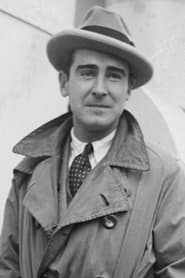
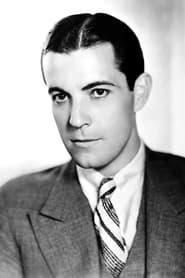
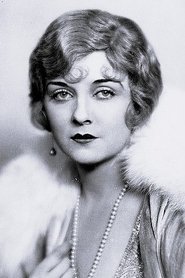
The Arab was one of Rex Ingram’s late Metro Pictures productions and reflects his continuing interest in large-scale, visually ambitious melodramas set in the Near East and North Africa. The film was mounted with the kind of elaborate production design and location-style desert imagery associated with Ingram’s 1920s work, with a strong emphasis on atmospheric sets, costume pageantry, and romantic spectacle. It starred Ramon Novarro, one of Metro’s major leading men, and Alice Terry, who was both Ingram’s wife and frequent leading lady, reinforcing the director’s preferred casting and production unit. Like many silent-era features of the period, detailed budget and box-office figures are not reliably documented in surviving mainstream sources.
Historical Background
The Arab was made in 1924, during the height of the American silent feature era and only a few years before synchronized sound transformed mainstream filmmaking. This was also a period when Hollywood frequently set stories in the Middle East, North Africa, and Asia, often filtering those regions through exotic spectacle, romantic adventure, and colonial-era stereotypes. World War I had recently ended, and films set amid regional conflict could draw on contemporary anxieties about empire, borders, and warfare while still remaining melodramatic entertainments. Rex Ingram’s work sits firmly within this context: his films often expressed a fascination with spiritual struggle, foreign settings, and visual grandeur, and The Arab fits that pattern closely. The film matters historically because it represents the ambitious, internationally inflected production values of mid-1920s Metro Pictures and the star system that supported prestige silent drama.
Why This Film Matters
The Arab is significant as part of Rex Ingram’s body of work, which helped define the visual sophistication of 1920s Hollywood melodrama. It also illustrates how the silent-era American film industry portrayed the Arab world through a mixture of romance, heroism, and orientalist spectacle, shaping popular imagery for decades. Ramon Novarro’s casting adds further cultural resonance, since he was one of the era’s major Latin American-born stars and a key figure in silent Hollywood stardom. While not as widely discussed today as some of Ingram’s best-known films, it remains important to scholars of silent cinema for understanding Metro Pictures’ prestige productions, period costume drama, and the aesthetics of exotic adventure. Its value today is both cinematic and historical: it reveals how silent Hollywood combined moral redemption narratives with internationalized settings to create emotionally legible spectacle for mass audiences.
Making Of
Rex Ingram approached The Arab as a prestige silent drama, using the film to combine romance, religious symbolism, and wartime peril in a visually heightened style. Ingram had a reputation for controlling nearly every aspect of production, from set design to visual composition, and his Metro films often featured elaborate construction and carefully staged crowd scenes. The casting of Ramon Novarro was especially important, since Metro relied on his screen presence and physical attractiveness to give the story emotional appeal and box-office value. Alice Terry’s participation likewise reflected the stable Ingram production circle that characterized his work in the mid-1920s. The production likely made extensive use of studio-controlled desert sets and costume pageantry to evoke Syria and Bedouin life without requiring overseas filming, a common practice in Hollywood at the time. Because the film is a silent-era title, surviving documentation is incomplete, and some behind-the-scenes specifics are preserved more through trade-paper references and archival summaries than through modern production records.
Visual Style
The cinematography is notable for the broad, pictorial compositions associated with Rex Ingram’s silent-era visual style. The film emphasizes desert spaces, architectural framing, and staged groupings of figures, creating a sense of monumental romantic drama even when produced on studio grounds. Ingram’s films often used strong contrasts between intimate close-ups and expansive landscape views, and The Arab likely follows that pattern to underscore the protagonist’s isolation and eventual moral ascent. The imagery of the orphanage, military encampment, and desert movement would have been designed to provide both narrative clarity and decorative spectacle. Like many silent epics of the era, the film relied on expressive staging, costume detail, and carefully arranged movement rather than dialogue to convey emotional complexity.
Innovations
The Arab’s chief technical achievements lie in its silent-era production design, large-scale staging, and carefully composed visual storytelling rather than in any single patented innovation. The film exemplifies Rex Ingram’s ability to create the illusion of sweeping exotic locales using controlled studio resources, set construction, and expressive cinematography. It also demonstrates the mature silent technique of telling a complex moral-romantic narrative without spoken dialogue, relying on visual symbolism, gesture, intertitles, and editing rhythm. Its production belongs to an era in which Hollywood was refining the prestige feature format, with elaborate costume drama and atmospheric mise-en-scène functioning as major selling points.
Music
As a silent film, The Arab originally had no synchronized recorded soundtrack. It would have been shown with live musical accompaniment, typically a theater organist, pianist, or small ensemble, and in some venues a cue sheet or local arrangement would have guided the performance. Specific original score documentation is not widely established in surviving public sources. Modern presentations of silent films of this type may use newly compiled accompaniment by preservationists or musicians specializing in silent cinema.
Famous Quotes
No reliably sourced, widely cited dialogue quotes from this silent film are currently established in surviving reference materials.
As a silent feature, any surviving intertitles vary by print and restoration, making definitive quotation difficult without a specific archival source.
Memorable Scenes
- Jamil’s turning point, when the deserter confronts the moral cost of abandoning his duty and chooses to act for others rather than himself.
- The tense rescue sequence in which the orphaned children are threatened by advancing forces and Jamil intervenes to save them.
- The romantic and emotional scenes between Jamil and the missionary’s daughter, which frame his transformation from fugitive to hero.
- The desert and encampment imagery, which gives the film its most iconic silent-era atmosphere and sense of scale.
Did You Know?
- The Arab was directed by Rex Ingram, a major stylist of the silent era known for visually ornate spectacles and exoticized adventure melodramas.
- Ramon Novarro, who played Jamil, was one of the most celebrated male stars of the 1920s and had become especially prominent through Metro productions.
- Alice Terry, the female lead, was Rex Ingram’s wife and one of the director’s most frequent collaborators.
- The film belongs to a cluster of Ingram pictures that were set in broadly Orientalist or Near Eastern settings, reflecting Hollywood’s fascination with exotic locales in the silent era.
- Although the story is set in Syria during wartime, the film was produced in the United States and relied on studio craftsmanship and California landscapes to suggest the setting.
- The Arab is sometimes discussed in relation to Rex Ingram’s later and more famous The Garden of Allah, because both films feature desert imagery, romance, and spiritual or moral transformation.
- As with many silent-era features, the film is known today more through documentation, stills, and archival references than through universally accessible complete prints.
- The title should not be confused with later films of similar subject matter or other works using the word 'Arab' in the title.
What Critics Said
Contemporary reception is not as fully documented in easily accessible modern sources as for some better-preserved silent films, but the film was generally regarded as a polished Rex Ingram production with strong visual style and star appeal. Reviews from the period tended to emphasize the spectacle, atmospheric settings, and the emotional charge of the rescue-and-redemption storyline. Later critical attention has been more limited, in part because the film is not among the most frequently screened or studied silent classics, yet it is still recognized as a representative example of Ingram’s lush, carefully composed directorial style. Modern assessment usually places it within the broader category of ambitious silent melodrama, noting both its craft and its dated cultural assumptions about the Middle East.
What Audiences Thought
Audience reception is difficult to quantify precisely because reliable box-office records are scarce, but the film was made for Metro Pictures’ mainstream silent audience and had the advantages of a well-known director and popular stars. It likely appealed to viewers drawn to romantic adventure, exotic settings, and dramatic wartime peril. As with many silent films, audience response would have varied according to local exhibition conditions, musical accompaniment, and the completeness of surviving prints. Today, its audience is mostly limited to silent-film enthusiasts, archivists, and classic-cinema viewers who encounter it through retrospectives, archives, or incomplete circulation copies.
Film Connections
Influenced By
- Silent-era desert melodramas
- Orientalist adventure fiction popular in the early 20th century
- Hollywood wartime romances
- Rex Ingram's own earlier exotic and romantic epics
This Film Influenced
- Later Hollywood desert romances and exotic adventure films of the silent and early sound era
- Prestige melodramas that combined romance, rescue, and spiritual redemption in foreign settings
You Might Also Like
More Drama Films
View allMore from Rex Ingram
View allFilm Restoration
The film is not generally regarded as completely lost, but surviving materials appear to be limited and not as widely accessible as better-known silent features. Its preservation status is therefore best described as partially extant or incompletely circulated, with availability depending on archival holdings and print condition. Consultation with major silent-film archives or restoration catalogues may be necessary for the most current survival information.