No Poster
Jean de Limur
Actor & Director
Born: November 13, 1887 in Carcassonne, Aude, France Died: June 6, 1976 Active: 1922-1929
Films
3 films
About Jean de Limur
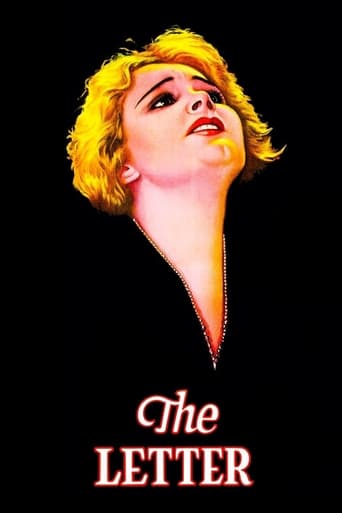
Made his mark during the pivotal transition from silent cinema to sound films in the late 1920s. Born in Carcassonne, France, he began his career as an actor in French cinema before moving behind the camera as a director. His most significant achievement came with directing the 1929 adaptation of W. Somerset Maugham's 'The Letter,' which featured Jeanne Eagels in her final, posthumously released performance. De Limur's brief but impactful the crucial years when Hollywood was adapting to sound technology, making him part of the generation of filmmakers who navigated this technical revolution. His work demonstrated a sophisticated understanding of both visual storytelling and the new possibilities of sound cinema. After his directing career waned in the early 1930s, he returned to France where he continued to work in the film industry in various capacities. His legacy remains tied to his contributions to early sound cinema and his collaboration with one of Hollywood's most tragic figures, Jeanne Eagels.
The Craft
On Screen
As an actor, de Limur appeared in French silent films during the early 1920s, embodying the theatrical style common in early cinema with exaggerated gestures and expressions typical of the silent era. His performances were characterized by a European sensibility that him from his American counterparts.
Behind the Camera
De Limur's directing style showed a sophisticated understanding of visual composition and narrative pacing, particularly evident in his handling of 'The Letter.' He demonstrated remarkable adaptability during the transition to sound, effectively balancing visual storytelling with the new demands of audio recording. His approach reflected his European training, emphasizing psychological depth and atmospheric tension.
Milestones
- Directed 'The Letter' (1929) starring Jeanne Eagels
- Acted in 'The Worldly Madonna' (1922)
- Pioneered early sound film techniques
- Worked during the transition from silent to talkies
- Directed several French films in the 1920s
Best Known For
Iconic Roles
Must-See Films
Accolades
Special Recognition
- Recognized as a pioneer of early sound cinema
- Noted for his work with Jeanne Eagels in her final performance
Working Relationships
Worked Often With
Studios
Why They Matter
Impact on Culture
Jean de Limur occupies a unique place in cinema history as one of the directors who successfully navigated the challenging transition from silent films to talkies. His work on 'The Letter' represents an important milestone in early sound cinema, demonstrating how dramatic tension could be maintained while incorporating dialogue and sound effects. The film itself became culturally significant as Jeanne Eagels' final performance, adding to its historical importance. De Limur's European perspective brought a different aesthetic sensibility to Hollywood productions during this formative period of sound cinema.
Lasting Legacy
Jean de Limur's legacy is primarily tied to his contribution to early sound cinema and his collaboration with legendary actress Jeanne Eagels. 'The Letter' (1929) remains his most enduring work, studied by film historians for its techniques in early sound recording and its dramatic power. While his directorial career was relatively brief, his work represents an important bridge between European and American filmmaking traditions during a crucial technological transition. His films continue to be of interest to scholars studying the evolution of cinema from silent to sound.
Who They Inspired
De Limur influenced other early sound filmmakers through his successful adaptation of stage material to the new medium of sound cinema. His work demonstrated that psychological dramas could effectively transition to sound without losing their visual power. His approach to directing actors during the early sound period provided a model for balancing naturalistic performance with the technical limitations of early recording equipment.
Off Screen
Jean de Limur was born into a French family in the historic city of Carcassonne. He maintained strong ties to his homeland throughout his career, eventually returning to France after his Hollywood period. His life spanned nearly nine decades, allowing him to witness the complete evolution of cinema from its silent beginnings to the modern era. Details about his personal relationships and family life remain largely private, reflecting the discretion common among early film professionals.
Education
Educated in France, likely received formal training in dramatic arts or film production, though specific details about his educational background are not widely documented in available sources.
Did You Know?
- 'The Letter' (1929) was Jeanne Eagels' final film performance before her death
- De Limur was one of the few European directors working successfully in Hollywood during the early sound transition
- His version of 'The Letter' was later remade multiple times, including the famous 1940 version starring Bette Davis
- He began his career as an actor before transitioning to directing
- His active period coincided exactly with the transition from silent to sound films
- Despite his brief Hollywood career, his work has been studied by film historians for decades
- He returned to France after his American period, continuing his involvement in European cinema
- The 1929 version of 'The Letter' was considered quite daring for its time due to its adult themes
Frequently Asked Questions
Who was Jean de Limur?
French actor and on YTB.my.
What films is Jean de Limur best known for?
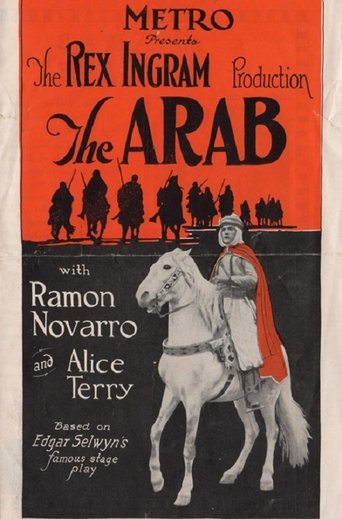
Titles linked here include The Letter (1929), The Worldly Madonna (1922).
When was Jean de Limur born and when did he die?
Born November 13, 1887; died June 6, 1976.
What awards did Jean de Limur win?
While Jean de Limur did not receive major formal awards during his career, he is recognized by film historians as a pioneer of early sound cinema and for his significant work during the transition from silent films to talkies.
What was Jean de Limur's directing style?
De Limur's directing style combined European cinematic sensibilities with Hollywood production values, showing particular skill in psychological drama and atmospheric tension during the challenging early sound period.
Why is 'The Letter' (1929) historically significant?
The film is historically significant as Jeanne Eagels' final performance, as an example of early sound cinema techniques, and as the first adaptation of Maugham's play that would be remade multiple times.
How did Jean de Limur contribute to early sound cinema?
He successfully navigated the technical challenges of early sound recording while maintaining dramatic effectiveness, helping establish techniques for psychological dramas in the new medium.