William Nolan
Director
Born: June 10, 1894 in Hartford, Connecticut, USA Died: December 6, 1954 Active: 1915-1954 Birth Name: William C. Nolan
Films
3 films
About William Nolan
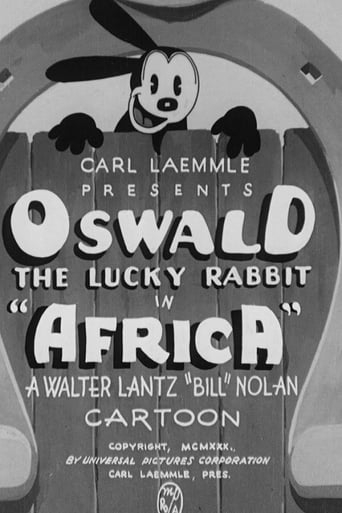
William Nolan, often credited as Bill Nolan, was a figure in early American animation and a prolific director during the transition from silent films to early talkies. Born in Connecticut, he began his career in the mid-1910s, working for the Barre-Bowers studio where he helped refine the 'slash system' of animation, a precursor to modern cel animation. By the 1920s, he became a key creative force at the Margaret J. Winkler studio, where he significantly redesigned the character of Felix the Cat, giving the feline a more rounded, 'rubber hose' appearance that defined the character's look. In 1929, he joined Walter Lantz at Universal Studios to co-direct and animate the 'Oswald the Lucky Rabbit' series after Charles Mintz lost the rights to the character. His 1930 work on the short film 'Africa' showcased his ability to blend rhythmic animation with the new technology of synchronized sound, a hallmark of the early 'Pooch the Pup' and 'Oswald' eras. Throughout the early 1930s, Nolan was instrumental in establishing the house style for Universal's animation department before eventually departing to pursue independent ventures and later working for the Metro-Goldwyn-Mayer cartoon studio.
The Craft
Behind the Camera
Nolan's directing style was characterized by 'rubber hose and circle' animation, which emphasized fluid, elastic movement over anatomical realism. He excelled in timing, often synchronizing character gags to musical beats, a necessity during the early talkie era of the 1930s. His work often featured surreal visual puns and a fast-paced, irreverent sense of humor that was typical of the New York school of animation. He was known for his incredible speed as an animator, often capable of producing hundreds of drawings a day, which allowed him to maintain high output as a director.
Milestones
- Redesigned Felix the Cat into his most famous 'round' form in the early 1920s
- Co-founded the Walter Lantz Studio animation department at Universal in 1929
- Directed the first sound-era Oswald the Lucky Rabbit cartoons
- Developed the 'slash system' of animation which increased production efficiency
- Served as a head animator for the Krazy Kat film series
- Contributed to the development of the 'Pooch the Pup' character for Universal
Best Known For
Must-See Films
Accolades
Won
- Winsor McCay Award (Posthumous, 1991) for lifetime contributions to the art of animation
Special Recognition
- Recognized as a 'Pioneer of Animation' by the International Animated Film Society (ASIFA-Hollywood)
Working Relationships
Worked Often With
Studios
Why They Matter
Impact on Culture
William Nolan's redesign of Felix the Cat is. By introducing the 'circular' construction of characters, he made animation more appealing and easier to produce, setting a standard that Disney and other studios would eventually adopt and refine. His work during the early sound era at Universal helped bridge the gap between silent slapstick and the sophisticated musical cartoons of the mid-1930s.
Lasting Legacy
Nolan's legacy lies in his technical innovations and his role as a foundational architect of the Universal animation department. He is remembered as one of the fastest animators in history, a skill that allowed early studios to survive the grueling demands of theatrical release schedules. His influence persists in the 'rubber hose' style that is still celebrated today in modern media like the video game 'Cuphead', which draws directly from the visual language Nolan helped establish.
Who They Inspired
He influenced a generation of animators at Universal, including a young Tex Avery, who would later revolutionize animation at Warner Bros. And MGM. His 'slash system' influenced the workflow of every major animation studio until the digital age.
Off Screen
William Nolan was known within the industry as a hardworking and somewhat nomadic talent, moving between major studios like Universal, MGM, and various independent outfits in New York and Los Angeles. He was part of the tight-knit community of early animators who transitioned from the East Coast to the West Coast as the film industry centralized in Hollywood. He remained active in the animation community until his death in the mid-1950s.
Education
Self-taught artist; gained vocational training through the early New York commercial art and comic strip industry.
Family
- Information regarding specific spouses is not publicly documented in standard historical records.
Did You Know?
- Nolan was so fast at drawing that he was rumored to be able to complete an entire animated short's worth of keyframes in a fraction of the time of his peers.
- He is the man responsible for giving Felix the Cat his round head; previously, Felix was much more pointed and cat-like.
- Nolan left the Walter Lantz studio in 1934 after a creative falling out, leading to a brief period where he attempted to start his own studio.
- He worked on the very first animated sequences for the 'Krazy Kat' series.
- Despite his massive contributions to Felix the Cat, he rarely received the public credit that Pat Sullivan or Otto Messmer did during his lifetime.
- His 1930 film 'Africa' is a prime example of the 'jungle' trope popular in early 1930s cinema, featuring Oswald the Lucky Rabbit.
In Their Own Words
Animation is not just about moving drawings, it's about the rhythm of the gag.
If you can't draw it in a circle, it's going to take too long to animate.
Frequently Asked Questions
Who was William Nolan?
William 'Bill' Nolan — American animator and director best known for his work on Felix the Cat and the Oswald the Lucky Rabbit series at Universal Studios. He was a key figure in the development of early animation techniques and character design during the 1920s and 1930s.
What films is William Nolan best known for?
Titles linked here include Africa (1930), Hells Heels (1930).
When was William Nolan born and when did he die?
Born June 10, 1894; died December 6, 1954.
What awards did William Nolan win?
While he did not win major awards during his lifetime, he was posthumously honored with the Winsor McCay Award in 1991 for his significant lifetime contributions to the field of animation.
What was William Nolan's directing style?
Nolan utilized a 'rubber hose' style of animation characterized by fluid, circular movements and surreal sight gags. As a director, he focused on high-speed production and tight synchronization between animation and the emerging technology of sound.