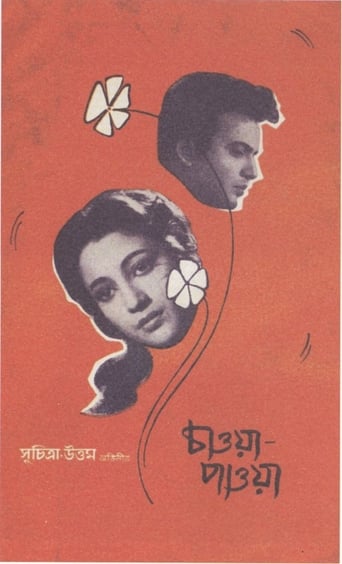
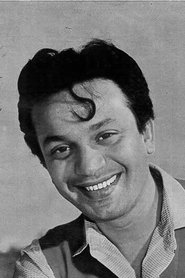
Uttam Kumar
Actor
Born: September 3, 1926 in Ahiritola, North Kolkata, Bengal Presidency, British India Died: July 24, 1980 Active: 1948-1980 Birth Name: Arun Kumar Chatterjee
Films
2 films
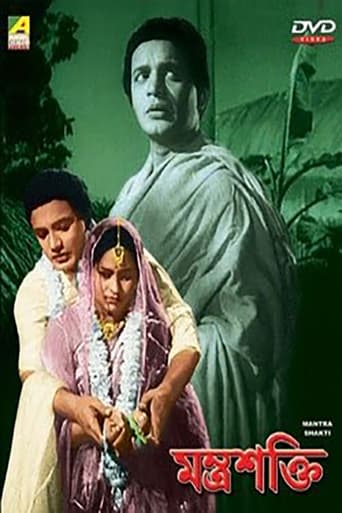
About Uttam Kumar
Uttam Kumar, born Arun Kumar Chatterjee, was a Bengali film actor who dominated the cinema of West Bengal from the 1950s through the 1970s. Often referred to as the 'Mahanayak' (Great Hero) of Bengali cinema, he began his career in the late 1940s but rose to prominence in the mid-1950s with films that showcased his remarkable versatility and natural acting style. Kumar's breakthrough came with films like 'Sare Chuattar' (1953), but it was his performances in romantic dramas and social films that established him as a cultural icon. He had an extraordinary ability to portray complex characters with subtle emotional depth, making him the first truly modern romantic hero in Bengali cinema. Throughout his career spanning three decades, he appeared in over 200 films, working with the greatest directors of his time and setting new standards for male lead actors in Indian regional cinema. His untimely death in 1980 at the age of 53 left a void in Bengali cinema that has never been completely filled, and his legacy actors to this day.
The Craft
On Screen
Naturalistic and understated, Uttam Kumar revolutionized Bengali cinema by moving away from theatrical performances to a more realistic style. He was known for his subtle facial expressions, controlled body language, and ability to convey complex emotions through minimal gestures. His romantic screen presence was unmatched, yet he excelled equally in dramatic roles, often portraying the modern, educated Bengali male struggling with societal expectations. Kumar had a unique talent for making his characters feel authentic and relatable, whether playing a romantic hero, a tragic figure, or a comic character.
Milestones
- Breakthrough role in 'Sare Chuattar' (1953)
- First National Award for 'Chirakumar Sabha' (1956)
- Landmark performance in 'Harano Sur' (1957)
- Critically acclaimed role in 'Saptapadi' (1961)
- Bengali Film Journalists' Association Awards for multiple films
- Posthumous Padma Shri award (1970)
Best Known For
Iconic Roles
Must-See Films
Accolades
Won
- Padma Shri (1970)
- National Film Award for Best Actor for 'Antony Firingi' (1967)
- BFJA Awards for Best Actor multiple times (1956-1970)
Nominated
- Multiple Filmfare Award nominations for Best Actor
Special Recognition
- Padma Shri (India's fourth highest civilian award)
- Bengali Film Journalists' Association Lifetime Achievement Award (posthumously)
- Multiple honorary retrospectives at international film festivals
Working Relationships
Worked Often With
Studios
Why They Matter
Impact on Culture
Uttam Kumar fundamentally transformed Bengali cinema and popular culture in the mid-20th century. He created a new archetype of the Bengali male protagonist - educated, sophisticated, yet emotionally vulnerable - that resonated deeply with post-independence Indian society. His films often addressed contemporary social issues while maintaining mass appeal, helping to elevate regional cinema to new artistic heights. Kumar's style influenced an entire generation of actors not just in Bengal but across India, and his screen partnerships, particularly with Suchitra Sen, became cultural touchstones. He was among the first Indian actors to successfully bridge the gap between commercial and art cinema, working with both mainstream directors and auteurs like Satyajit Ray.
Lasting Legacy
Uttam Kumar's legacy extends far beyond his filmography; he remains a cultural icon in West Bengal and among Bengalis worldwide. Decades after his death, his films continue to be watched and celebrated, with many considered timeless classics. The 'Uttam-Suchitra' pairing is still regarded as the golden standard of romantic chemistry in Indian cinema. Several theaters and cultural institutions in Kolkata are named after him, and his birthday is celebrated by film enthusiasts. His influence can be seen in the work of subsequent generations of Bengali actors who have emulated his naturalistic style and screen presence.
Who They Inspired
Uttam Kumar pioneered a naturalistic acting style that moved away from the theatrical traditions of early Indian cinema. His approach influenced not only Bengali actors but also had an impact on mainstream Hindi cinema, where similar naturalistic styles began to emerge. Directors like Satyajit Ray recognized his talent and cast him in 'Nayak,' creating one of Indian cinema's most meta-narratives about stardom. His success proved that regional cinema could achieve both critical acclaim and commercial success, paving the way for future regional film industries to flourish.
Off Screen
Uttam Kumar married Gauri Devi in 1949, and they had one son, Gautam Chatterjee. Later in life, he entered into a relationship with actress Supriya Devi, who became his constant companion and frequent co-star. Despite his massive stardom, Kumar was known for his humble nature and maintained close relationships with his co-stars and film crew. He was deeply interested in literature and music, often incorporating these elements into his performances.
Education
South Suburban School (Main), Kolkata; Completed intermediate education
Family
- Gauri Devi (1949-1980)
Did You Know?
- He was originally named Arun Kumar Chatterjee but took the screen name Uttam Kumar on the advice of director Hemanta Mukherjee
- He worked as a clerk in the Port Commissioner's office before entering films
- His film 'Nayak' (1966) directed by Satyajit Ray was loosely based on his own life as a superstar
- He was the first Bengali actor to receive the Padma Shri award
- Despite being a superstar, he often took public transport to film shoots
- He could sing and recorded several popular songs for his films
- His death during a filming session caused widespread mourning in Bengal
- He never learned English fluently, yet had a sophisticated, cosmopolitan screen image
- His pairing with Suchitra Sen created 30 films together, one of cinema's most successful collaborations
- He was offered roles in Hindi films but preferred to work primarily in Bengali cinema
In Their Own Words
Acting is not about becoming someone else, it's about finding yourself in different situations
The camera doesn't lie, but it also doesn't tell the whole story
Success in films is temporary, but the impact you leave on people's hearts is permanent
I never played heroes, I played human beings
Frequently Asked Questions
Who was Uttam Kumar?
Legendary Bengali film with credits in this catalog. He appeared in over 200 films and was known for his naturalistic acting style and romantic screen presence.
What films is Uttam Kumar best known for?
Titles linked here include Harano Sur (1957), Saptapadi (1961).
When was Uttam Kumar born and when did he die?
Born September 3, 1926; died July 24, 1980.
What awards did Uttam Kumar win?
Uttam Kumar received the Padma Shri in 1970, won the National Film Award for Best Actor for 'Antony Firingi' (1967), and received multiple BFJA Awards for Best Actor throughout his career.
What was Uttam Kumar's acting style?
Uttam Kumar pioneered a naturalistic acting style in Bengali cinema, moving away from theatrical performances to subtle, realistic portrayals. He was known for his understated emotions, controlled body language, and ability to make characters feel authentic and relatable.