No Poster
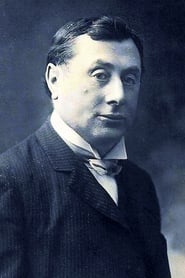
André Antoine
Director
Born: January 31, 1858 in Limoges, France Died: October 19, 1943 Active: 1887-1943
Films
2 films
About André Antoine
French theater director and occasional filmmaker who revolutionized theatrical performance in the late 19th and early 20th centuries. Born in Limoges in 1858, Antoine began his career as an employee at the Gas Company while pursuing theater as an amateur. In 1887, he founded the Théâtre Libre in Paris, which became instrumental in introducing naturalism to French theater and staging controversial works by authors like Ibsen, Strindberg, Tolstoy, and Émile Zola. Antoine's directing philosophy emphasized realism, authentic sets, and natural acting styles that rejected the exaggerated theatrical conventions of his time. Though primarily known for his theater work, he ventured into cinema briefly in the 1920s, directing 'Mademoiselle de La Seiglière' in 1920. His influence extended beyond performance to include innovations in lighting, set design, and actor training that would later impact early cinema. Antoine served as director of the Odéon Theatre from 1906-1914 and later became a respected film critic, bridging the worlds of theater and emerging cinema.
The Craft
Behind the Camera
Antoine — pioneer of naturalistic directing, emphasizing authenticity, realism, and psychological depth over theatrical artificiality. He rejected the declamatory style of 19th-century theater, instead encouraging actors to deliver lines naturally and inhabit their characters with genuine emotion. His productions featured realistic sets, everyday costumes, and innovative lighting techniques that created atmosphere and mood. Antoine believed in the 'fourth wall' concept, directing actors to ignore the audience and create the illusion of real life on stage. His approach influenced both theater and early cinema, particularly in the development of realistic performance styles.
Milestones
- Founded Théâtre Libre (1887)
- Pioneered naturalistic theater in France
- Directed controversial works by Ibsen and Zola
- Served as director of Odéon Theatre (1906-1914)
- Directed 'Mademoiselle de La Seiglière' (1920)
- Became influential film critic
- Revolutionized stage lighting and set design
Best Known For
Must-See Films
Accolades
Won
- Legion of Honour (Chevalier, 1910)
- Legion of Honour (Officer, 1928)
Special Recognition
- Founder of Théâtre Libre
- Pioneer of Naturalistic Theater
- Director of Odéon Theatre
- Influential Film Critic
Working Relationships
Worked Often With
Why They Matter
Impact on Culture
André Antoine fundamentally transformed European theater by introducing and championing naturalism, which rejected artificial theatrical conventions in favor of authentic representation of life. His Théâtre Libre became a model for independent theaters across Europe and America, demonstrating the viability of producing contemporary, controversial works outside commercial constraints. Antoine's emphasis on realistic staging, natural acting, and psychological authenticity directly influenced the development of modern drama and later cinema. His innovations in lighting, set design, and directorial approach helped establish the director as the primary creative force in theatrical production, a concept that would become central to both theater and film.
Lasting Legacy
Antoine's legacy endures through his profound impact on both theater and cinema. He is credited with establishing naturalism as a dominant theatrical movement and creating the template for independent, experimental theater companies worldwide. His directing principles influenced generations of theater and film directors, including Konstantin Stanislavski, who adapted many of Antoine's techniques for his system of acting. The Théâtre Libre model inspired similar ventures across Europe and America, democratizing access to contemporary dramatic works. Antoine's brief foray into film, including 'Mademoiselle de La Seiglière,' demonstrated how theatrical naturalism could translate to cinema, influencing early French film directors. His writings and criticism continue to be studied for their insights into the relationship between theater and emerging cinema.
Who They Inspired
Antoine's influence extended far beyond his native France, affecting the development of modern theater and cinema internationally. His naturalistic approach directly influenced Konstantin Stanislavski's method at the Moscow Art Theatre, which in turn shaped American acting techniques through the Group Theatre and Actors Studio. In cinema, his emphasis on realism and natural performance anticipated the French New Wave and influenced directors like Jean Renoir and Marcel Carné. His Théâtre Libre inspired the Independent Theatre Movement in England, the Little Theatre movement in America, and similar experimental theater companies across Europe. Many prominent 20th-century directors, including Jacques Copeau and Vsevolod Meyerhold, acknowledged their debt to Antoine's innovations.
Off Screen
Antoine was born into a modest family in Limoges and worked various jobs before discovering his passion for theater. He married Marguerite Lévy in 1885, and they had two children together. Despite his professional success, Antoine faced financial difficulties throughout his career, particularly with his experimental theater ventures. He was known for his intense dedication to his art and his willingness to take risks that often resulted in both critical acclaim and financial hardship. In his later years, he focused on writing and criticism, contributing significantly to film theory and theater history.
Education
Limited formal education; largely self-taught in theater arts
Family
- Marguerite Lévy (1885-?)
Did You Know?
- Antoine worked at the Gas Company while pursuing theater as an amateur before becoming a professional director
- Théâtre Libre was initially funded by Antoine's own money and subscriptions from like-minded theater enthusiasts
- He was one of the first directors to use electric lighting extensively in theater productions
- Antoine faced censorship and legal challenges for staging controversial works like 'Thérèse Raquin'
- His theater was the first in France to produce plays by Henrik Ibsen for French audiences
- Despite his theater success, Antoine's film career was extremely limited to just a few productions
- He was an early advocate for film as an art form, writing influential criticism on cinema
- Antoine's naturalistic style was initially criticized by traditionalists who called it 'kitchen sink drama'
- He mentored numerous actors who became major stars in French theater and cinema
- Antoine's innovations in set design included using real furniture and props rather than theatrical substitutes
In Their Own Words
The theater must be the mirror of life, not its distortion
Naturalism is not about showing everything, but about showing truthfully what we do show
The director's job is not to impose his will, but to reveal the truth of the play
Art must be free, or it is not art at all
The audience should feel they are witnessing life, not watching a performance
Frequently Asked Questions
Who was André Antoine?
French theater on YTB.my. He founded the influential Théâtre Libre in 1887 and briefly directed films including 'Mademoiselle de La Seiglière' in 1920.
What films is André Antoine best known for?
Titles linked here include Mademoiselle de La Seiglière (1920).
When was André Antoine born and when did he die?
Born January 31, 1858; died October 19, 1943.
What awards did André Antoine win?
Antoine was awarded the Legion of Honour as Chevalier in 1910 and later as Officer in 1928 in recognition of his contributions to French arts and culture.
What was André Antoine's directing style?
Antoine pioneered naturalistic directing, emphasizing realism, authentic sets, and natural acting over theatrical artificiality. He rejected exaggerated performances and created productions that mirrored real life with psychological depth and truth.
What was the Théâtre Libre?
The Théâtre Libre was an experimental theater company founded by Antoine in 1887 that presented contemporary, controversial works by authors like Ibsen, Zola, and Tolstoy. It became a model for independent theaters worldwide and revolutionized French drama.
How did André Antoine influence cinema?
Antoine's naturalistic approach influenced early film directors through his emphasis on realistic performance and authentic settings. As a film critic, he advocated for cinema as an art form, and his theatrical innovations helped establish techniques that translated to early film.