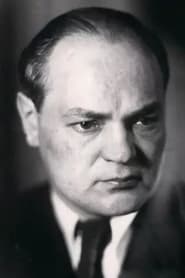
Nikolai Khmelyov
Actor
Born: August 10, 1901 in Moscow, Russian Empire Died: November 1, 1945 Active: 1920-1945 Birth Name: Nikolai Pavlovich Khmelyov
Films
3 films
About Nikolai Khmelyov
Nikolai Pavlovich Khmelyov was actors of Soviet theater and cinema during the 1920s and 1930s, renowned for his powerful stage presence and methodical approach to character development. Born into a theatrical family, he began his career at the Moscow Art Theatre under the Konstantin Stanislavski, where he developed his reputation excelled in psychological realism. Khmelyov's transition to film in the early 1930s coincided with the Soviet Union's cultural revolution, and he quickly became sought-after character actors of his generation. His performances were characterized by intense emotional depth and meticulous attention to the psychological motivations of his characters, often portraying complex, tormented figures struggling with moral and existential dilemmas. Despite his relatively brief film career, which was cut short by his untimely death at age 43, Khmelyov on Soviet acting technique and influenced generations of performers who followed. His work in both classical theater and socialist realist cinema demonstrated remarkable versatility, from Shakespearean tragedies to contemporary Soviet dramas. Khmelyov's legacy as both a performer and teacher continues to be studied in Russian acting schools today.
The Craft
On Screen
Khmelyov was known for his deeply psychological approach to acting, heavily influenced by the Stanislavski system. He employed methodical character analysis and emotional authenticity, often immersing himself completely in his roles. His performances were marked by intense concentration, precise physical control, and the ability to convey complex internal conflicts through subtle gestures and vocal modulation. He particularly excelled at portraying intellectual and tormented characters, bringing psychological depth and moral complexity to every role.
Milestones
- Graduated from Moscow Art Theatre School (1924)
- Leading actor at Moscow Art Theatre (1924-1945)
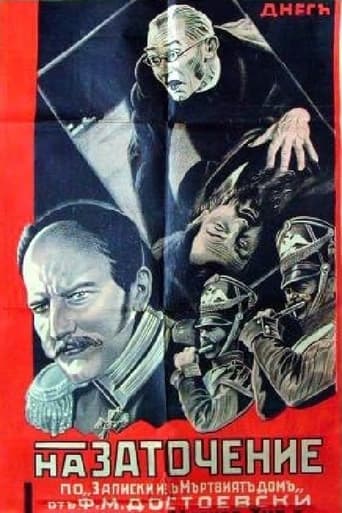
- Starred in 'House of the Dead' (1932)
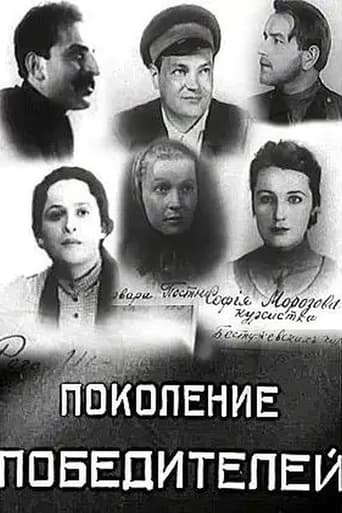
- Acclaimed performance in 'Generation of Victors' (1936)
- Received Stalin Prize (1941)
- Named People's Artist of the USSR (1937)
Best Known For
Iconic Roles
Must-See Films
Accolades
Won
- Stalin Prize (1941)
- Order of Lenin (1938)
- Order of the Red Banner of Labour (1938)
Special Recognition
- People's Artist of the USSR (1937)
- Honored Artist of the RSFSR (1933)
Working Relationships
Worked Often With
Studios
Why They Matter
Impact on Culture
Nikolai Khmelyov played a pivotal role in shaping Soviet theatrical and cinematic art during the crucial transitional period of the 1920s-1940s. His work helped bridge the gap between the experimental theater of the 1920s and the socialist realist aesthetic that dominated Soviet culture in the 1930s. As a leading actor at the Moscow Art Theatre, he helped preserve and develop Stanislavski's acting system while adapting it to contemporary Soviet themes and characters. His film performances, though fewer in number, demonstrated how theatrical techniques could be effectively translated to the screen, influencing subsequent generations of Soviet film actors. Khmelyov's dedication to psychological realism and character authenticity became a model for Soviet acting pedagogy.
Lasting Legacy
Nikolai Khmelyov's legacy endures through his contributions to acting theory and practice, particularly in the development of the Soviet school of psychological realism. The Moscow Art Theatre, where he spent his entire career, continues to honor his memory as one of its most actors. His approach to character analysis and emotional authenticity influenced not only his contemporaries but also future generations of Russian actors and directors. Many of his students went on to become leading figures in Soviet and Russian theater and cinema. Khmelyov's recordings and writings on acting technique are still studied in Russian theater schools, and his performances in classic Russian plays remain benchmarks for contemporary actors.
Who They Inspired
Khmelyov's influence extended beyond his performances through his teaching at the Moscow Art Theatre School, where he trained numerous actors who would become major figures in Soviet theater and cinema. His interpretation of Stanislavski's methods, adapted for Soviet cultural contexts, became a standard approach in Russian acting education. Directors such as Andrei Tarkovsky and Grigory Kozintsev were influenced by the psychological depth and emotional authenticity that Khmelyov brought to his roles. His work in adapting literary classics for the stage and screen set precedents for how Russian literature could be interpreted in theatrical and cinematic forms during the Soviet period.
Off Screen
Nikolai Khmelyov was married twice during his lifetime. His first marriage was to actress Elena Gogoleva, with whom he had a daughter. His second marriage was to actress Alla Tarasova,. Khmelyov was known for his dedication to his craft and often spent long hours at the theater, sometimes at the expense of his personal relationships. He was deeply involved in the theatrical community and mentored many young actors throughout his career.
Education
Moscow Art Theatre School (graduated 1924), studied under Konstantin Stanislavski and Vsevolod Meyerhold
Family
- Elena Gogoleva (1924-1933)
- Alla Tarasova (1933-1945)
Did You Know?
- Khmelyov was one of the few actors to successfully work under both Stanislavski and Meyerhold, two rival theatrical masters
- He was known for his photographic memory and could memorize entire plays after reading them just once
- Khmelyov — close friend of writer Mikhail Bulgakov and was considered for the lead in 'Heart of a Dog'
- Despite his success, he remained humble and often gave his salary to struggling young actors
- He died suddenly of a heart attack while preparing for a new role at the Moscow Art Theatre
- Khmelyov was fluent in three languages: Russian, French, and German
- He was an accomplished chess player and often played with other theater professionals
- During WWII, he performed for soldiers at the front lines despite his declining health
- His daughter Irina also became an actress, continuing the family theatrical tradition
- Khmelyov was known for his method of spending weeks living as his characters would before performances
In Their Own Words
The actor must not play the character, he must become the character
Theater is not entertainment, it is a sacred duty to truth
Every role is a new life that must be lived completely
The audience comes to see truth, not technique
Stanislavski taught us that the smallest detail contains the greatest truth
Frequently Asked Questions
Who was Nikolai Khmelyov?
Renowned Soviet with credits in this catalog. He was known for his psychological depth and methodical approach to acting, particularly in classical Russian plays and socialist realist films.
What films is Nikolai Khmelyov best known for?
Titles linked here include House of the Dead (1932), Generation of Victors (1936).
When was Nikolai Khmelyov born and when did he die?
Born August 10, 1901; died November 1, 1945.
What awards did Nikolai Khmelyov win?
Khmelyov received numerous honors including the prestigious Stalin Prize in 1941, was named People's Artist of the USSR in 1937, and received the Order of Lenin and Order of the Red Banner of Labour for his contributions to Soviet art and culture.
What was Nikolai Khmelyov's acting style?
Khmelyov's acting style was characterized by deep psychological realism, influenced by the Stanislavski system. He was known for his methodical character analysis, emotional authenticity, and ability to convey complex internal conflicts through precise physical control and vocal modulation.