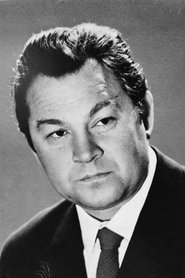
Yuriy Sarantsev
Actor
Born: October 28, 1928 in Moscow, Soviet Union Active: 1950-1965 Birth Name: Yuriy Vladimirovich Sarantsev
Films
2 films
About Yuriy Sarantsev
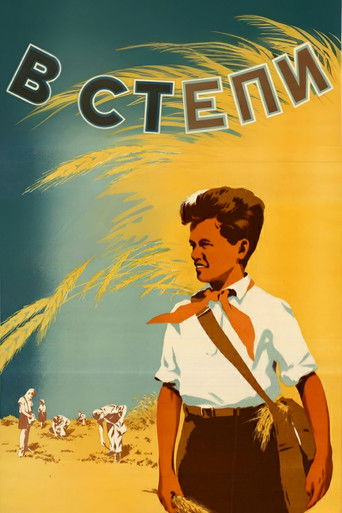
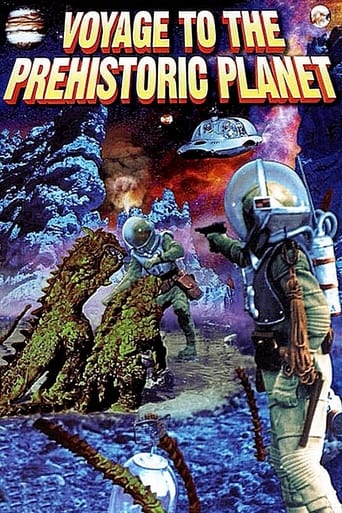
Soviet actor who worked primarily during the 1950s and 1960s, appearing in numerous Russian-language films produced by the Soviet film industry. His approximately 15 years, during which he played supporting roles in various genres including drama, science fiction, and historical films. Sarantsev gained some international recognition through his appearance in 'Voyage to the Prehistoric Planet' (1965), which was Roger Corman's American re-edited version of the Soviet science fiction film 'Planeta Burg' (1962). His early career included roles in films like 'On the Steppe' (1950), which established him as a reliable character actor in the Soviet cinema system. While primarily known within the Soviet Union, his work reached Western audiences through the distribution of adapted Soviet science fiction films during the Cold War era. Sarantsev's filmography represents the typical journey of a working actor in the Soviet film industry, contributing to numerous productions while rarely achieving leading man status. His performances, while not extensively documented in Western film literature, were part of the broader cultural exchange that occurred through cinema during the mid-20th century.
The Craft
On Screen
Sarantsev — character actor who typically played supporting roles, often portraying scientists, officials, or everyman characters in Soviet productions. His acting style was representative of the Soviet school of realistic performance, emphasizing naturalistic delivery and emotional restraint appropriate to the socialist realist aesthetic dominant in Soviet cinema of his era.
Milestones
- Film debut in 'On the Steppe' (1950)
- Appearance in 'Planeta Burg' (1962) which became 'Voyage to the Prehistoric Planet'
- Work in Soviet science fiction cinema during the 1960s
- Participation in films that reached international audiences through American distribution
Best Known For
Iconic Roles
Must-See Films
Working Relationships
Worked Often With
Studios
Why They Matter
Impact on Culture
Yuriy Sarantsev's cultural impact, while modest in scale, represents an interesting footnote in Cold War-era cinema history. His participation in Soviet science fiction films that were later re-edited for American audiences contributed to the rare cultural exchanges that occurred between the Soviet Union and United States during this period. These films, particularly 'Voyage to the Prehistoric Planet', introduced Western viewers to Soviet filmmaking sensibilities and production values, albeit filtered through Roger Corman's commercial lens. Sarantsev's work exemplifies how even supporting actors in the Soviet system became unwitting cultural ambassadors when their films crossed the Iron Curtain through unconventional distribution channels.
Lasting Legacy
Sarantsev's legacy lies primarily in his contribution to Soviet cinema of the 1950s and 1960s, particularly in the science fiction genre. His appearance in films that achieved international distribution ensures that his work survives as part of the historical record of cross-cultural cinematic exchange during the Cold War. While not a major star, his performances represent the thousands of working actors who formed the backbone of the Soviet film industry, contributing to cultural productions that both reflected and shaped Soviet society. His inclusion in American-distributed versions of Soviet films makes him part of the fascinating story of how cinema transcended political boundaries during one of history's most ideologically divided periods.
Who They Inspired
As a character actor rather than a star, Sarantsev's direct influence on other performers was likely limited. However, his work in Soviet science fiction contributed to the genre's development in the USSR, which would later influence Russian and post-Soviet science fiction cinema. The international exposure of his films through American distribution also helped expose Western audiences to Soviet acting techniques and storytelling approaches, however subtly.
Off Screen
Limited information is available about Sarantsev's personal life in Western sources. As was typical for many Soviet actors of his generation, his private life was not extensively documented in international media. He worked within the state-controlled Soviet film industry, which structured the careers and public personas of its performers differently than the Hollywood system.
Education
Likely trained at a Soviet acting institute, though specific details are not readily available in English-language sources
Did You Know?
- 'Voyage to the Prehistoric Planet' was actually Roger Corman's re-edited version of the Soviet film 'Planeta Burg' (1962)
- Sarantsev's international fame comes almost entirely from American re-editing of Soviet films
- The original Soviet version of 'Planeta Burg' was
- Sarantsev worked during the peak of Soviet science fiction film production in the early 1960s
- His active years covered the period of Khrushchev Thaw, when Soviet cinema became slightly more experimental
- The American version of his most famous film added new footage with American actors Basil Rathbone and Faith Domergue
- Soviet actors like Sarantsev often had no knowledge their films were being re-edited for Western distribution
- His 15-year career was typical for Soviet character actors of his generation
Frequently Asked Questions
Who was Yuriy Sarantsev?
Soviet with credits in this catalog. He gained some international recognition through his role in 'Voyage to the Prehistoric Planet' (1965), which was an American re-edited version of the Soviet film 'Planeta Burg'.
What films is Yuriy Sarantsev best known for?
Titles linked here include Voyage to the Prehistoric Planet (1965), On the Steppe (1950).
When was Yuriy Sarantsev born?
Born October 28, 1928; died death date not listed.
What was unique about Sarantsev's international career?
Sarantsev's international recognition came indirectly through Roger Corman's practice of re-editing Soviet films for American distribution. His work in 'Planeta Burg' reached Western audiences as 'Voyage to the Prehistoric Planet' without his direct involvement in the adaptation process.
How did Sarantsev contribute to Cold War cultural exchange?
Through his appearance in Soviet films that were later distributed in America, Sarantsev unknowingly participated in cultural exchange during the Cold War. These films provided rare glimpses of Soviet production values and acting styles to Western audiences.