H.K. Breslauer
Director
Born: 1888 in Vienna, Austria Active: 1924-1924 Birth Name: Hugo Karl Breslauer
Films
1 film
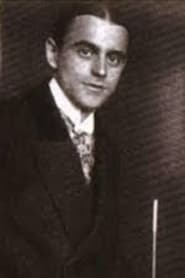
About H.K. Breslauer
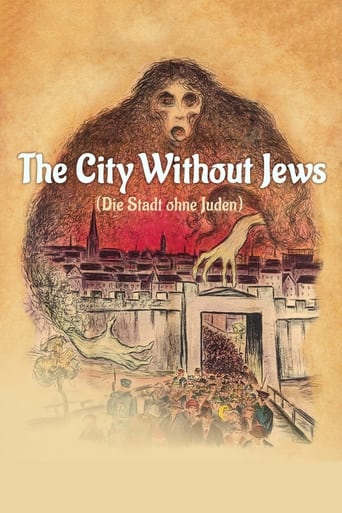
Hugo Karl Breslauer — Austrian film director and cinematographer who worked primarily during the silent era of the 1920s. Born in Vienna, he began his career in the film industry as a cinematographer before transitioning to directing. His most significant and enduring work was 'Die Stadt ohne Juden' (The City without Jews) in 1924, a remarkably prescient film that warned against rising antisemitism in Europe. The film was based on Hugo Bettauer's controversial novel and became one of the earliest cinematic warnings about the dangers of racial persecution. Following the completion of this work, Breslauer's directorial career appears to have been limited, with most records indicating that 1924 was his primary year of activity as a director. His work, particularly 'The City without Jews,' has gained significant historical importance in retrospect, especially given the tragic events that would unfold in Europe in the following decades. The film was considered lost for decades before a complete print was discovered and restored, cementing Breslauer's place in cinema history as a director who created an important social and political statement during a critical period in European history.
The Craft
Behind the Camera
Breslauer's directing style in 'The City without Jews' combined expressionist visual techniques with social realist themes, creating a powerful political statement through cinema. He used stark visual contrasts and symbolic imagery to convey the dangers of prejudice and discrimination. His approach was notably ahead of its time in addressing social issues directly through narrative film.
Milestones
- Directed 'The City without Jews' (1924)
- Created one of cinema's earliest warnings about antisemitism
- Adapted Hugo Bettauer's controversial novel to film
- Worked during the politically volatile Weimar Republic period
Best Known For
Must-See Films
Accolades
Special Recognition
- Posthumous recognition for 'The City without Jews' as an important historical document
- Film restoration and preservation efforts have brought renewed attention to his work
Working Relationships
Worked Often With
Studios
Why They Matter
Impact on Culture
H.K. Breslauer's 'The City without Jews' has had an enormous cultural impact as one of cinema's earliest and most prescient warnings about the dangers of antisemitism. The film, created nearly a decade before the Nazis rose to power in Germany, depicted the expulsion of Jews from Vienna and the resulting economic and social collapse. Its rediscovery and restoration have made it an invaluable historical document that demonstrates how some artists recognized and warned against the rising tide of hatred in Europe. The film serves as both a piece of cinema history and a chilling prophecy of the Holocaust that would follow.
Lasting Legacy
Breslauer's legacy is inextricably linked to 'The City without Jews,' which has become. The film's survival and restoration have ensured that Breslauer is remembered as a director who used cinema as a medium for social and political commentary. His work represents an important example of how film can serve as both entertainment and social warning, and it continues to be studied by film historians and scholars of European history.
Who They Inspired
While Breslauer's filmography was limited, 'The City without Jews' has influenced subsequent generations of filmmakers who use cinema to address social and political issues. The film stands as an early example of political cinema and has been referenced in discussions about the role of art in warning against social injustice and prejudice.
Off Screen
Limited information is available about Breslauer's personal life, as historical records primarily focus on his professional work, particularly 'The City without Jews'. His career appears to have been concentrated in the Austrian film industry during the early 1920s, a period of significant political and social upheaval in Central Europe.
Did You Know?
- 'The City without Jews' was based on Hugo Bettauer's novel, which was so controversial that Bettauer was later murdered by a Nazi sympathizer
- The film was considered lost for decades until a complete print was discovered in a Dutch flea market in 2015
- The film premiered in Vienna on July 25, 1924, but was banned in several cities due to its controversial subject matter
- Breslauer worked as both director and cinematographer on 'The City without Jews'
- The film's prescient depiction of antisemitism made it remarkably accurate about what would happen in Europe a decade later
- The restored version of the film has been screened at film festivals worldwide to critical acclaim
- Despite its importance, 'The City without Jews' appears to be Breslauer's only known directorial work
- The film features both dramatic and documentary-style sequences to convey its message
In Their Own Words
While the Jews are gone, the city has lost its soul
We didn't realize what we had until it was gone
The expulsion of the Jews has brought ruin to our city and our people
Frequently Asked Questions
Who was H.K. Breslauer?
H.K. Breslauer (Hugo Karl Breslauer) was an Austrian film director and cinematographer active in the 1920s, best known for directing the silent film 'The City without Jews' (1924), which warned against rising antisemitism in Europe.
What films is H.K. Breslauer best known for?
Titles linked here include The City without Jews (1924).
When was H.K. Breslauer born and when did he die?
Born 1888; died death date not listed.
What awards did H.K. Breslauer win?
There are no recorded awards or nominations for H.K. Breslauer during his lifetime. However, his work has received posthumous recognition, particularly following the restoration of 'The City without Jews' and its renewed appreciation as an important historical document.
What was H.K. Breslauer's directing style?
Breslauer's directing style in 'The City without Jews' combined expressionist visual techniques with social realist themes. He used stark visual contrasts and symbolic imagery to create a powerful political statement about the dangers of prejudice and discrimination.
Why is 'The City without Jews' historically significant?
The film is historically significant as one of cinema's earliest warnings about antisemitism, created nearly a decade before the Nazis came to power. Its rediscovery and restoration have made it an invaluable document of how some artists recognized and warned against the rising tide of hatred in Europe.
What happened to the original film prints?
For decades, 'The City without Jews' was considered a lost film. However, in 2015, a complete print was discovered at a flea market in the Netherlands, leading to its restoration and renewed appreciation by film historians and audiences worldwide.