Films
3 films

About Eugen Neufeld
Eugen Neufeld worked on one surviving credit: The Ancestress (1919). His the crucial years following World War I when Vienna was emerging as a significant center of European film production. Neufeld appeared in several notable Austrian films, most prominently in 'The Ancestress' (1919) and the historically significant 'The City without Jews' (1924), which served as an early cinematic warning against rising antisemitism in Europe. His performances reflected the theatrical acting style characteristic of silent cinema, utilizing expressive gestures and facial emotions to convey character and narrative depth to audiences without dialogue. Neufeld was part of a generation of actors who helped establish the foundation of European cinema during its formative years, working in an industry that was rapidly evolving both artistically and technologically. Though his filmography was relatively brief, his participation in socially conscious and politically relevant films demonstrated the important role cinema played in addressing contemporary issues during the 1920s.
The Craft
On Screen
Neufeld employed the theatrical acting style typical of silent cinema, characterized by exaggerated facial expressions and broad gestures to effectively convey emotions and narrative points to audiences without the benefit of synchronized dialogue. His performances reflected the influence of stage acting traditions that dominated early European cinema, particularly in Austrian productions where theatrical heritage remained strong.
Milestones
- Starred in 'The Ancestress' (1919)
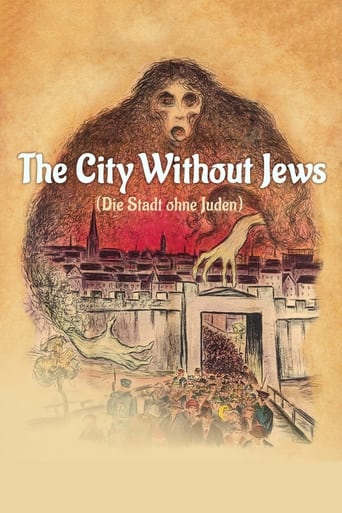
- Appeared in the politically significant 'The City without Jews' (1924)
- Contributed to Austrian silent cinema during its golden age
- Worked during the transformative period of European cinema following World War I
Best Known For
Iconic Roles
Must-See Films
Working Relationships
Worked Often With
Studios
Why They Matter
Impact on Culture
Eugen Neufeld contributed to Austrian cinema during a critical period when film was emerging as a powerful medium for social commentary and artistic expression. His appearance in 'The City without Jews' placed him within a historically significant production that served as an early warning about the dangers of antisemitism in Europe, making the film and its performers part of an important cultural document of the 1920s. The film was remarkably prescient about the horrors that would soon unfold across Europe, and Neufeld's participation in such a socially conscious work demonstrates the role that cinema played in addressing contemporary political issues during the silent era, particularly in Austria where intellectual and artistic communities were increasingly aware of the rising tide of fascism.
Lasting Legacy
While Eugen Neufeld may not be widely remembered by contemporary audiences, his contribution to Austrian cinema, particularly through his involvement in 'The City without Jews,' ensures his place in film history as a participant in. The film he appeared in has gained renewed scholarly and cultural interest in recent decades as historians recognize its importance as both a work of cinema and a historical document that predicted the atrocities of the Holocaust. Neufeld's work represents the contributions of countless actors who helped build the foundation of European cinema during its formative years, often working in films that addressed serious social and political issues.
Who They Inspired
As an actor working during the silent era, Eugen Neufeld was part of the generation that established the techniques and approaches to film acting that would influence subsequent generations of performers in European cinema. His work in Austrian films contributed to the development of a distinctive European film acting style that emphasized emotional expressiveness and theatrical presence, differing from the more naturalistic style that would later emerge in American cinema. Through his participation in politically engaged films, Neufeld also contributed to the tradition of cinema as a medium for social commentary.
Off Screen
Eugen Neufeld lived and worked during a tumultuous period in Austrian and European history, witnessing the collapse of the Austro-Hungarian Empire, the establishment of the Austrian Republic, and the rising political tensions that would eventually lead to World War II. His career in cinema coincided with Vienna's status as a cultural capital of Europe, where artistic innovation flourished despite political and economic instability following World War I.
Did You Know?
- Appeared in 'The City without Jews,' a film that was remarkably prescient about the rise of antisemitism in Europe nearly a decade before the Nazis came to power
- Worked during the golden age of Austrian silent cinema when Vienna was a major European film production center
- His career coincided with the final years of the Austro-Hungarian Empire and the early years of the Austrian Republic
- Participated in cinema that addressed serious social and political issues, which was relatively rare for the time
- The film 'The City without Jews' was based on a novel by Hugo Bettauer, who was later murdered by Nazi sympathizers in 1925
- The film was considered lost for decades before being rediscovered and restored
- His appearance in 'The City without Jews' makes him part of an important historical document that predicted the Holocaust
- Austrian cinema of the 1920s was known for its artistic sophistication and political engagement
- The theatrical acting style he employed was typical of European silent cinema and reflected the strong influence of stage traditions
- His film career was relatively brief but occurred during a crucial period of cinematic development
Frequently Asked Questions
Who was Eugen Neufeld?
Austrian with credits in this catalog. He was part of the Austrian film community during a crucial period of European cinema development, working in Vienna when it was a major center of film production.
What films is Eugen Neufeld best known for?
Titles linked here include The Ancestress (1919), The City without Jews (1924).
When was Eugen Neufeld active in cinema?
Eugen Neufeld was active in cinema from approximately 1919 to 1924, working during the golden age of Austrian silent film production. This period followed World War I and coincided with Vienna's emergence as an important center of European cinema.
What was Eugen Neufeld's acting style?
Neufeld employed the theatrical acting style typical of silent cinema, characterized by exaggerated facial expressions and broad gestures to convey emotions effectively to audiences without synchronized dialogue. This style reflected the strong influence of stage acting traditions on early European film performances.
Why is 'The City without Jews' historically significant?
'The City without Jews' is historically significant as an early cinematic warning against antisemitism made in 1924, nearly a decade before the Nazis came to power. The film was remarkably prescient about the dangers facing European Jews and has gained renewed attention as both a work of cinema and a historical document that predicted the Holocaust.
What was the Austrian film industry like during Neufeld's career?
During Neufeld's career in the early 1920s, the Austrian film industry was thriving with Vienna serving as a major European film production center. Austrian cinema of this period was known for its artistic sophistication, technical innovation, and willingness to address political and social issues, distinguishing it from other European film industries.