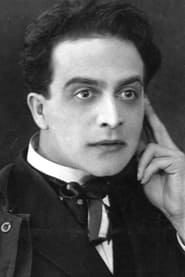
Friedrich Fehér
Actor
Born: March 16, 1889 in Vienna, Austria-Hungary Died: September 8, 1950 Active: 1919-1943 Birth Name: Friedrich Weiss
Films
1 film
About Friedrich Fehér
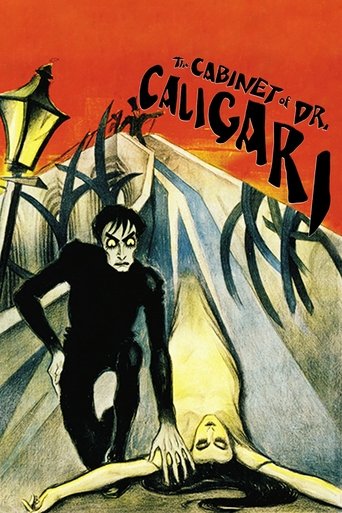
The 1920 film The Cabinet of Dr is the only title linked here for Friedrich Fehér. Caligari. Caligari' (1920). Born Friedrich Weiss in Vienna, he began his career on the stage before transitioning to film during the silent era. His portrayal of the vulnerable, tormented protagonist in Caligari showcased his ability to convey deep psychological distress through subtle facial expressions and body language, perfectly embodying the Expressionist aesthetic. Beyond his acting role, Fehér established himself as a respected director, helming numerous films throughout the 1920s and 1930s, often working with his wife Magda Sonja. His directorial work demonstrated a keen understanding of visual storytelling and atmospheric tension. As the Nazi regime rose to power, Fehér, being Jewish, faced increasing persecution and eventually fled Austria. He continued working in the film industry but never again achieved the level of recognition he received from Caligari. His later years were marked by relative obscurity, though his contribution to one of cinema's most influential films secured his place in film history.
The Craft
On Screen
Fehér's acting style was characterized by subtle, nuanced performances that emphasized psychological depth over melodramatic gestures. In 'Caligari,' he masterfully portrayed Francis's descent into madness through carefully controlled facial expressions and restrained body movements, perfectly suited to the Expressionist movement's emphasis on internal emotional states. His approach contrasted with the more exaggerated acting common in silent films, instead favoring a naturalistic intensity that drew viewers into his character's psychological turmoil.
Milestones
- Starred as Francis in 'The Cabinet of Dr. Caligari' (1920)
- Directed 'Orlacs Hände' (1924) starring Conrad Veidt
- Founded his own production company Fehér-Film
- Worked extensively with wife Magda Sonja
- Directed numerous silent films in Austria and Germany
Best Known For
Iconic Roles
Must-See Films
Accolades
Special Recognition
- Recognized as a pioneer of German Expressionist cinema
- Honored in retrospectives of Austrian and German cinema
Working Relationships
Worked Often With
Studios
Why They Matter
Impact on Culture
Friedrich Fehér's performance in 'The Cabinet of Dr. Caligari' had a profound impact on cinema history, helping to establish the visual and thematic conventions of German Expressionism that would influence film noir, horror, and psychological thrillers for decades. His portrayal of Francis demonstrated how acting could serve the visual aesthetic of a film, creating a unified artistic vision that went beyond traditional performance. The film itself became a cornerstone of avant-garde cinema, studied by filmmakers and scholars worldwide, with Fehér's central performance remaining a touchstone for actors studying psychological realism in genre films.
Lasting Legacy
Fehér's legacy is primarily tied to his unforgettable performance in 'The Cabinet of Dr. Caligari,' which remains. While his directorial work has been largely overshadowed, his contribution to establishing the visual language of psychological horror and Expressionist cinema cannot be overstated. Modern scholars and film historians recognize Fehér as a key figure in the transition from theatrical acting to cinematic performance, demonstrating how film acting could be both subtle and emotionally powerful even in the silent era.
Who They Inspired
Fehér influenced subsequent generations of actors through his restrained, psychologically nuanced approach to performance in genre films. His work in 'Caligari' particularly influenced actors in film noir and psychological thrillers, showing how internal states could be conveyed through subtle physical performance rather than overt melodrama. Directors studying Expressionist cinema continue to analyze his performance as a model of how acting can serve and enhance a film's visual style and thematic concerns.
Off Screen
Fehér was married to actress Magda Sonja, with whom he frequently collaborated both professionally and personally. Their marriage was both a romantic partnership and a creative alliance, with Sonja starring in many of his directorial projects. As a Jewish artist in Austria during the rise of Nazism, Fehér faced increasing persecution and was forced to flee his homeland, significantly impacting his later career. He spent his final years in relative obscurity in Vienna, his contributions to early cinema largely unrecognized by the general public.
Education
Studied acting in Vienna, trained for stage performance before transitioning to film
Family
- Magda Sonja (1921-1950)
Did You Know?
- His birth name was Friedrich Weiss, which he changed to Fehér (Hungarian for 'white') for his stage career
- He was one of the few principal actors from 'Caligari' to have a substantial directing career
- Founded his own production company, Fehér-Film, in the 1920s
- Frequently cast his wife Magda Sonja in his films as the leading lady
- As a Jewish artist, he was persecuted during the Nazi occupation of Austria
- His directorial work often explored similar themes of madness and psychological distress as 'Caligari'
- Despite his iconic role in one of cinema's most famous films, relatively little is known about his personal life
- He continued working in film until the early 1940s, though his later work received little attention
- His performance in 'Caligari' was praised for its naturalism in contrast to the film's stylized sets
- He worked in both Austrian and German film industries throughout his career
In Their Own Words
On 'Caligari': 'We knew we were making something special, but none of us could have imagined it would still be discussed a century later'
On Expressionism: 'The distorted world on screen reflected the distorted reality we all lived in after the war'
Frequently Asked Questions
Who was Friedrich Fehér?
Austrian actor, on YTB.my. Caligari.' Born Friedrich Weiss in Vienna in 1889, he had a diverse career in both acting and directing during the silent film era, though he is primarily remembered today for his iconic performance in Caligari.
What films is Friedrich Fehér best known for?
Titles linked here include The Cabinet of Dr. Caligari (1920), Orlacs Hände (1924) as director.
When was Friedrich Fehér born and when did he die?
Born March 16, 1889; died September 8, 1950.
What awards did Friedrich Fehér win?
Friedrich Fehér did not receive major formal awards during his lifetime, as the award systems we know today were not established during the peak of his career. However, his work in 'The Cabinet of Dr. Caligari' has been posthumously recognized as a landmark achievement in cinema history, and he is honored in retrospectives of German Expressionist film and Austrian cinema.
What was Friedrich Fehér's acting style?
Fehér's acting style was characterized by psychological subtlety and emotional restraint, particularly notable in 'The Cabinet of Dr. Caligari' where he conveyed his character's descent into madness through nuanced facial expressions and controlled body movements. His approach contrasted with the more melodramatic acting common in silent films, instead favoring a naturalistic intensity that perfectly suited the Expressionist aesthetic.
Was Friedrich Fehér only an actor?
No, Friedrich Fehér had a multifaceted career in cinema as both an actor and director. While he is best remembered for his acting in 'Caligari,' he directed numerous films throughout the 1920s and 1930s, often working with his wife Magda Sonja. He also worked as a screenwriter and even founded his own production company, Fehér-Film, demonstrating his diverse talents in the film industry.