Films
1 film
About Hans Effenberger
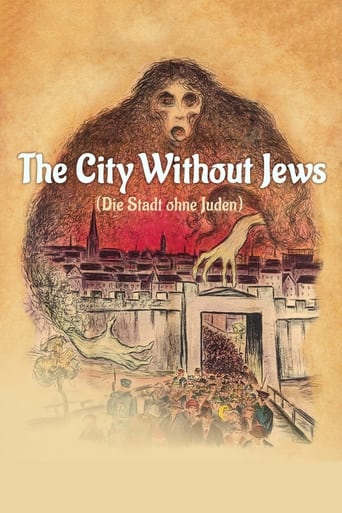
Hans Effenberger is credited on a single production — The City without Jews (1924). His entire known film career consists of a single appearance in the 1924 Austrian silent film 'The City without Jews' (Die Stadt ohne Juden), directed by H.K. Breslauer. This film was an early and prescient warning against antisemitism, based on Hugo Bettauer's controversial novel. Effenberger was part of the ensemble cast that helped bring this important social commentary to the screen during a politically turbulent period in European history. Like many character actors of the silent era, his contribution to cinema was brief but meaningful, participating in what would become a historically significant film that predicted the horrors to come. His career appears to have been limited to this single film credit in 1924, after which he seemingly disappeared from the film industry records.
The Craft
Milestones
- Appeared in the historically significant Austrian silent film 'The City without Jews' (1924)
Best Known For
Iconic Roles
Must-See Films
Working Relationships
Worked Often With
Why They Matter
Impact on Culture
Hans Effenberger's cultural impact is primarily derived from his participation in 'The City without Jews,' a film that has gained significant historical importance as an early warning against antisemitism and fascism. Although his role was likely minor, he contributed to a film that was remarkably prescient about the dangers that would soon engulf Europe. The film itself was banned in several cities upon release and tragically, its author Hugo Bettauer was murdered by a Nazi party member in 1925, making the film's message even more chilling in retrospect. Effenberger, as part of this production, became connected to.
Lasting Legacy
Hans Effenberger's legacy is that of a silent era actor who participated in a film of extraordinary historical significance. While his individual contribution may have been small, he was part of a cinematic work that has been rediscovered and restored for modern audiences, serving as a powerful document of its time. The film 'The City without Jews' has been recognized by film historians and scholars as an important early example of cinema as social commentary and political warning. Effenberger's name, though obscure, is forever linked to this important piece of film history that continues to be studied and discussed today.
Who They Inspired
As a minor character actor with only one known film credit, Hans Effenberger's direct influence on other actors or filmmakers is likely negligible. However, his participation in 'The City without Jews' means he was part of a production that has influenced subsequent generations of filmmakers dealing with themes of prejudice, persecution, and social justice. The film itself has served as inspiration and reference for later works addressing similar themes of discrimination and political extremism.
Off Screen
Very little is known about Hans Effenberger's personal life, as he was a minor character actor from the silent era who appeared to have had only one documented film role. Like many supporting actors from this period, detailed biographical information was not extensively recorded or has been lost to time.
Did You Know?
- Appeared in only one known film throughout his entire career
- Participated in what is now considered
- The film he appeared in was based on a controversial novel by Hugo Bettauer
- The film's author was murdered by a Nazi party member just one year after the film's release
- The film was banned in several cities upon its initial release
- The film has been restored and rediscovered by modern film historians
- Like many silent era character actors, little biographical information about him survives
Frequently Asked Questions
Who was Hans Effenberger?
Austrian silent film with credits in this catalog.' His career appears to have been limited to this single film role, making him a minor but historically significant figure in early Austrian cinema.
What films is Hans Effenberger best known for?
Titles linked here include The City without Jews (1924).
When was Hans Effenberger born and when did he die?
Specific birth and death dates for Hans Effenberger are not documented in available historical records, which is common for minor character actors from the silent film era.
What awards did Hans Effenberger win?
There are no known awards or nominations for Hans Effenberger, as he was a minor character actor who appeared in only one film during the silent era.
What was Hans Effenberger's acting style?
Due to the lack of surviving detailed information about his performance and the limited nature of his filmography, specific details about Hans Effenberger's acting style are not documented in historical records.
Why is 'The City without Jews' historically significant?
The film is historically significant as an early and prescient warning against antisemitism and fascism, released in 1924. It tragically predicted the horrors that would soon engulf Europe, and its author Hugo Bettauer was murdered by a Nazi in 1925.