Armin Berg
Actor
Born: March 21, 1885 in Vienna, Austria-Hungary Died: March 16, 1935 Active: 1905-1935 Birth Name: Armin Bergmann
Films
1 film
About Armin Berg
Prominent Austrian cabaret artist, comedian, and actor who gained fame in Vienna's thriving entertainment scene during the early 20th century. Born in Vienna in 1885, Berg began his career in the city's vibrant cabaret culture, where he developed a reputation for his sharp wit and comedic timing. He became a regular performer at various Viennese cabarets, where his unique blend of humor and social commentary resonated with audiences. Berg's transition to film came relatively late in his career, with his most notable screen appearance being in the controversial 1924 film 'The City without Jews.' Despite his limited filmography, his impact on Austrian entertainment was significant, particularly in the realm of live performance. Berg continued performing in cabarets and theaters until his death in 1935, leaving behind a legacy as one of Vienna's beloved entertainers of the interwar period. His the tumultuous years of Austrian history, from the final days of the Austro-Hungarian Empire through the First Republic.
The Craft
On Screen
Berg's acting style was characterized by subtle, intellectual humor and sophisticated wit. His performances in cabaret were marked by a gentle, understated approach that relied more on clever wordplay and social observation than slapstick or broad physical comedy. In his film work, he brought this same nuanced approach to the screen, using facial expressions and subtle gestures to convey humor and commentary. His style was distinctly Viennese, reflecting the city's reputation for refined, cultured entertainment.
Milestones
- Became a regular performer at Vienna's Simpl cabaret
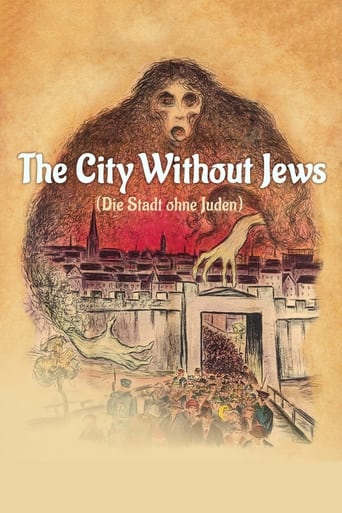
- Appeared in the controversial film 'The City without Jews' (1924)
- Developed a unique style of intellectual comedy in Viennese cabarets
- Mentored younger performers in Vienna's entertainment scene
- Performed throughout the final years of the Austro-Hungarian Empire and the First Austrian Republic
Best Known For
Iconic Roles
Must-See Films
Accolades
Special Recognition
- Remembered as one of Vienna's great cabaret artists of the interwar period
- His work is studied in Austrian cultural history programs
Working Relationships
Worked Often With
Studios
Why They Matter
Impact on Culture
Armin Berg made a significant impact on Austrian culture, particularly in the realm of cabaret and live entertainment. As one of Vienna's prominent cabaret artists during the golden age of Viennese entertainment, he helped shape the distinctive style of intellectual humor that characterized the city's cultural scene. His work reflected and commented on the social and political changes occurring in Austria during the interwar period, using comedy as a vehicle for social observation. Berg's participation in 'The City without Jews,' though controversial, placed him within an important moment of Austrian cinematic history that addressed rising anti-Semitism in Europe. His active years covered a crucial transitional period in European history, and his performances provided entertainment and social commentary to Viennese audiences during times of political and social upheaval.
Lasting Legacy
Armin Berg's legacy endures primarily through his influence on Austrian cabaret and comedy traditions. He is remembered as part of the generation of Viennese entertainers who helped establish cabaret as a legitimate art form in Austrian culture. His sophisticated, intellectual approach to comedy influenced subsequent generations of Austrian performers. Though his film career was brief, his appearance in 'The City without Jews' ensures his place in the history of Austrian cinema, particularly in discussions of how film addressed social and political issues during the 1920s. Berg's work is studied by scholars of Austrian cultural history and Jewish entertainment in Central Europe. He represents an important link in the chain of Viennese cultural achievement that spanned from the late imperial period through the early years of the First Republic.
Who They Inspired
Berg influenced the development of cabaret comedy in Vienna, particularly through his emphasis on intellectual humor and social commentary. His style of subtle, witty performance provided a model for younger comedians who sought to combine entertainment with thoughtful observation of society. While he did not directly mentor many famous performers who would gain international recognition, his work within Vienna's entertainment community helped maintain the city's reputation as a center of sophisticated culture and humor. His approach to comedy, which relied on cleverness rather than broad physicality, influenced the character of Austrian entertainment for decades following his death.
Off Screen
Armin Berg led a relatively private personal life despite his public career as an entertainer. He was born into a Jewish family in Vienna during the final decades of the Austro-Hungarian Empire. Berg never married and had no children, dedicating his life primarily to his craft and the Viennese entertainment scene. He maintained close friendships with other artists and performers in Vienna's cultural circles. His life was cut short at age 50, just before the Anschluss that would dramatically alter Austria's cultural landscape and endanger many of his Jewish colleagues in the entertainment industry.
Education
Limited formal education; largely self-taught in performance arts and comedy
Did You Know?
- Born Armin Bergmann but shortened his name for stage performances
- His active years covered the final years of the Austro-Hungarian Empire and the First Austrian Republic
- Despite being primarily known for live performance, he appeared in one of Austria's most controversial silent films
- He was part of Vienna's thriving Jewish entertainment community in the early 20th century
- His death in 1935 came just before the Anschluss that would have endangered him as a Jewish artist
- Cabaret was his primary medium, with film being a relatively minor part of his career
- He performed during what many consider the golden age of Viennese entertainment
- His style of humor was distinctly Viennese, emphasizing wit and sophistication over slapstick
- He never achieved international fame but was beloved within Vienna's cultural circles
- His work provides insight into the vibrant cultural life of interwar Vienna
In Their Own Words
While specific quotes are not widely documented, his performances were known for their clever wordplay and social observations typical of Viennese cabaret humor
Frequently Asked Questions
Who was Armin Berg?
Austrian cabaret artist, comedian, and with credits in this catalog. He was best known for his work in Viennese cabarets, where he developed a reputation for sophisticated, intellectual humor. His most notable film appearance was in the 1924 silent film 'The City without Jews.'
What films is Armin Berg best known for?
Titles linked here include The City without Jews (1924).
When was Armin Berg born and when did he die?
Born March 21, 1885; died March 16, 1935.
What awards did Armin Berg win?
There are no documented formal awards or honors that Armin Berg received during his lifetime. His recognition came primarily from his popularity among Viennese audiences and his respected position within the city's cabaret community. His legacy is honored through his inclusion in studies of Austrian cultural history.
What was Armin Berg's acting style?
Armin Berg's performance style was characterized by subtle, intellectual humor and sophisticated wit. Rather than relying on broad physical comedy, he used clever wordplay, social observation, and nuanced expressions to entertain audiences. His approach was distinctly Viennese, reflecting the city's reputation for cultured, refined entertainment.