Films
1 film
About Józef Węgrzyn
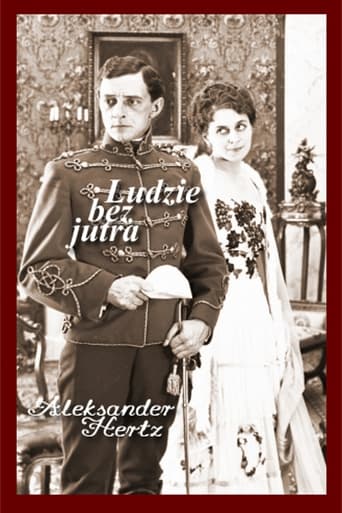
Polish actor who emerged during the silent film era in the early 1920s, a pivotal time when Polish cinema was establishing itself following World War I. His most notable appearance was in the 1921 silent film 'Ludzie bez jutra' (People Without Tomorrow), directed by Aleksander Hertz, which was one of the significant Polish productions of its time. The film dealt with themes of human struggle and despair, reflecting the social conditions of post-war Poland. While detailed records of his complete filmography are scarce, his participation in this important early Polish production suggests he was part of the burgeoning Polish film industry during its formative years. Like many actors from this era, particularly in Eastern Europe, much of his career documentation may have been lost due to the political upheavals and wars that affected the region throughout the 20th century. His appearance in 'Ludzie bez jutra' represents his known contribution to the preservation of early Polish cinematic heritage.
The Craft
Milestones
- Appeared in 'Ludzie bez jutra' (1921), an important early Polish silent film
Best Known For
Iconic Roles
Must-See Films
Working Relationships
Worked Often With
Why They Matter
Impact on Culture
Józef Węgrzyn's contribution to Polish cinema, though limited in scope, represents the important work of actors who helped establish the foundation of Polish film during its silent era. His appearance in 'Ludzie bez jutra' places him among the pioneers of Polish cinema, a period when the industry was struggling to find its voice and identity in the aftermath of World War I. The film itself was part of the early wave of Polish productions that sought to address social issues and reflect the Polish experience, making every contributor to such works historically significant in the context of national cinema development.
Lasting Legacy
While Józef Węgrzyn may not be widely remembered today, his participation in early Polish cinema makes him part of the foundational generation of Polish actors. The silent film era in Poland produced many artists whose individual contributions have been obscured by time, but whose collective work was essential in establishing a national film industry. His appearance in 'Ludzie bez jutra' ensures his place in the historical record of Polish cinema, representing the many actors who contributed to the art form during its earliest days in the country.
Who They Inspired
Due to the limited documentation of his career and the brief period of his known activity, specific information about Józef Węgrzyn's influence on other actors or filmmakers is not available. However, actors of his generation collectively influenced the development of acting styles in Polish cinema, transitioning from theatrical traditions to more naturalistic film performances characteristic of the silent era.
Off Screen
Very limited information is available about Józef Węgrzyn's personal life, which is common for many actors from the early Polish silent film era. Records from this period in Eastern Europe are often incomplete due to historical upheavals, wars, and the destruction of archives during World War II.
Did You Know?
- Appeared in 'Ludzie bez jutra' (1921), which translates to 'People Without Tomorrow' in English
- The film was directed by Aleksander Hertz, one of the pioneers of Polish cinema
- His active years covered only the year 1921 according to available records
- Participated in Polish cinema during its formative years after World War I
- Like many early Polish film actors, detailed biographical information is scarce
Frequently Asked Questions
Who was Józef Węgrzyn?
Screen credits include the 1921 film 'Ludzie bez jutra' (People Without Tomorrow). He was active during the early years of Polish cinema following World War I.
What films is Józef Węgrzyn best known for?
Titles linked here include Ludzie bez jutra (1921).
When was Józef Węgrzyn born and when did he die?
Unfortunately, specific birth and death dates for Józef Węgrzyn are not available in existing records, which is common for many actors from early Polish cinema.
What awards did Józef Węgrzyn win?
There are no documented awards or nominations for Józef Węgrzyn, which is typical for actors from the very early period of Polish cinema when formal award systems were not yet established.
What was Józef Węgrzyn's acting style?
Specific details about Józef Węgrzyn's acting style are not documented, but as a silent film actor in 1921, he would have used the exaggerated gestures and facial expressions typical of the era to convey emotions without dialogue.