Films
2 films
About Gyula Szöreghy
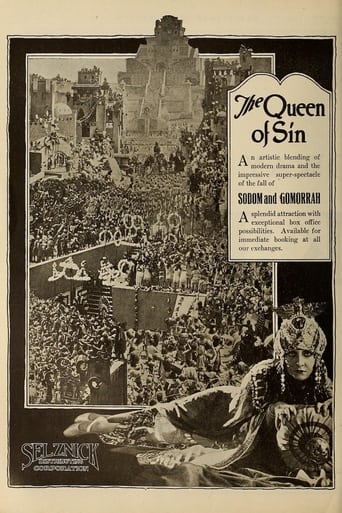
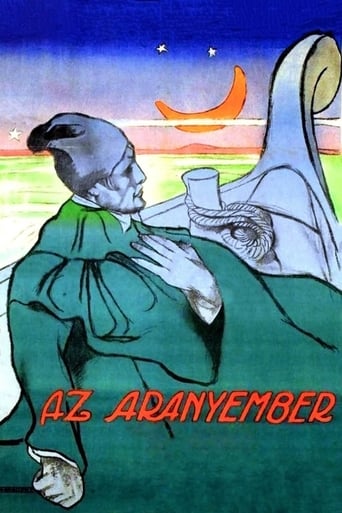
Hungarian actor who worked during the silent film era, primarily in the early 1920s. His career, though brief, coincided with the golden age of Hungarian cinema before the industry was disrupted by political turmoil. Gyula appears in two notable Hungarian silent films, working with prominent directors who would later achieve international fame. Szöreghy's filmography includes 'The Man of Gold' (1919), directed by Alexander Korda, and 'Sodom and Gomorrah' (1922), directed by Michael Curtiz. These films were significant productions in Hungarian cinema, with 'Sodom and Gomorrah' being ambitious and expensive Hungarian films of its time. Like many actors from this period, Szöreghy's career was likely impacted by the political changes in Hungary following World War I and the subsequent migration of talent to other European countries and Hollywood. His work represents an important but often overlooked chapter in early European cinema history.
The Craft
On Screen
Typical of silent era actors, Szöreghy likely employed exaggerated gestures and facial expressions to convey emotion without dialogue, a style that was particularly prominent in European cinema of the period
Milestones
- Appeared in 'The Man of Gold' (1919) directed by Alexander Korda
- Starred in 'Sodom and Gomorrah' (1922) directed by Michael Curtiz
- Worked during the golden age of Hungarian silent cinema
Best Known For
Must-See Films
Working Relationships
Worked Often With
Studios
Why They Matter
Impact on Culture
Gyula Szöreghy represents the generation of Hungarian actors who worked during a remarkable but brief flowering of Hungarian cinema before political upheaval dispersed talent across Europe and America. His participation in films directed by Korda and Curtiz places him within the ecosystem that would eventually influence international cinema, as both directors became major figures in Hollywood. While his individual contribution may seem modest, actors like Szöreghy formed the essential foundation upon which these directors built their early careers before achieving global recognition.
Lasting Legacy
Though detailed records of Gyula Szöreghy's career are scarce, his legacy is preserved through the surviving films in which he appeared. 'The Man of Gold' and 'Sodom and Gomorrah' remain important examples of Hungarian silent cinema, and Szöreghy's participation in these productions connects him to the broader narrative of European film history. His work shows the rich artistic community that existed in Hungary during this period, which would go on to significantly influence international cinema through the diaspora of Hungarian talent.
Who They Inspired
As a supporting actor from the silent era, Szöreghy's direct influence on subsequent generations of performers is difficult to trace, but his work contributed to the development of cinematic language in early Hungarian films. The directors he worked with, particularly Korda and Curtiz, would go on to shape Hollywood cinema, carrying forward the techniques and artistic sensibilities developed during their Hungarian period.
Off Screen
Very little is documented about Gyula Szöreghy's personal life, which was common for many supporting actors of the silent era whose records were not as meticulously preserved as those of leading stars.
Did You Know?
- Appeared in two of the most significant Hungarian silent films
- Worked with two directors who would become Hollywood legends
- His active years covered the brief golden age of Hungarian cinema
- Participated in 'Sodom and Gomorrah',
- Like many Hungarian actors of his era, his career was likely impacted by political changes following World War I
Frequently Asked Questions
Who was Gyula Szöreghy?
Hungarian with credits in this catalog.
What films is Gyula Szöreghy best known for?
Titles linked here include The Man of Gold (1919), Sodom and Gomorrah (1922).
When was Gyula Szöreghy born and when did he die?
Specific birth and death dates for Gyula Szöreghy are not well documented, which was common for many supporting actors from the silent era whose records were not preserved as meticulously as those of major stars.
What awards did Gyula Szöreghy win?
There are no documented awards or nominations for Gyula Szöreghy, which was typical for many actors of his era, especially those in supporting roles within European cinema.
What was Gyula Szöreghy's acting style?
As a silent film actor, Szöreghy would have employed the exaggerated gestures and expressive facial acting characteristic of the era, using physical performance to convey emotion without dialogue.
Why is Gyula Szöreghy significant in film history?
Szöreghy is significant for his participation in Hungarian cinema's golden age and his work with directors Korda and Curtiz, who would later become major Hollywood figures, making him part of the foundation that influenced international cinema.