
Ernst Reicher
Actor
- Born
- September 10, 1869, Berlin, German Empire
- Died
- March 27, 1940
- Active
- 1910s-1920s
Films 1
About Ernst Reicher
Ernst Reicher was a German silent-era actor, screenwriter, and producer best remembered today for creating and starring in the popular early film detective character Stuart Webbs, one of the best-known German answers to the Sherlock Holmes craze of the 1910s. Born in the late nineteenth century and active primarily in the years before and during the First World War, Reicher became associated with sophisticated crime and mystery films that helped define a specifically German cinematic serial tradition. He was part of the formative period of narrative feature filmmaking in Germany, when studios and independent producers were experimenting with recurring characters, cliffhanger plotting, and audience-friendly genre branding. Reicher's most enduring screen identity was tied to his detective persona rather than to a long list of separate acting roles, which is why his name remains important to historians of early European genre cinema. He also worked behind the scenes as a writer and producer, indicating that he was not merely a performer but an entrepreneurial figure in early film production. His surviving credits are limited, and much of his broader career is not as fully documented as later film stars, but his work on mystery pictures gives him a notable place in silent-era film history. He is especially significant as a pioneer of the recurring detective-series film in Germany and as a contributor to the international spread of the cinematic sleuth archetype.
More about Ernst Reicher
On screen
Reicher's acting style, as preserved in his surviving reputation, was shaped by silent-era performance conventions: expressive facial work, emphatic gesture, and clear visual storytelling suitable for detective and mystery narratives. His best-known screen persona, Stuart Webbs, relied less on broad melodrama than on cool, observant, problem-solving authority, which gave his performances a polished and cerebral quality. In the early 1910s, such roles often balanced theatrical projection with the increasingly filmic need for visual subtlety, and Reicher's work appears to have leaned toward clarity and precision rather than flamboyant excess. Because many of his films are lost or only sparsely documented, his style is known more through historical descriptions of the Stuart Webbs series than through a large body of surviving footage.
In film history
Ernst Reicher's cultural importance lies in his role in helping shape one of the earliest sustained detective-film traditions in German cinema. The Stuart Webbs character was part of a broader international fascination with analytical detectives inspired by Sherlock Holmes, and Reicher's adaptation translated that fascination into a specifically cinematic, repeatable format for German audiences. His work helped demonstrate that filmgoers would follow not just stars, but recurring characters, laying groundwork for serial branding and franchise thinking long before those terms became standard. In the context of early twentieth-century popular culture, Reicher contributed to the normalization of the screen detective as an audience-friendly figure of intelligence, modernity, and narrative order.
Later reputation
Reicher's legacy is primarily historical rather than widely popular in the modern sense, but it is meaningful for scholars of silent cinema and genre development. He stands as one of the early European figures who helped turn crime-solving into an ongoing screen attraction, influencing the way later detective and mystery films were packaged and marketed. Although many of his films are obscure or lost, his association with Stuart Webbs gives him a durable place in film history as an early creator-performer in a recurring role format. His career illustrates how silent-era actors often functioned as multi-hyphenate creators, helping build entire film properties rather than simply performing in them. For historians, Reicher represents the transition from one-off stage-to-screen acting to the more modern idea of a screen persona built for repetition, recognition, and audience loyalty.
Influence
Reicher influenced early film practice by showing how a strong recurring character could anchor a series of mystery films and create brand recognition for a studio or production unit. His work with Stuart Webbs helped popularize the German cinematic detective at a time when national film industries were searching for distinctive alternatives to imported Anglo-American models. In broader terms, he contributed to a performance style in which intelligence and observational authority were central screen traits, a pattern echoed later in detective cinema across multiple countries. His influence is therefore best understood as industrial and genre-based rather than as a direct mentorship of later stars.
Off screen
Reliable public information about Ernst Reicher's personal life is limited, and many standard biographical details that are available for later film figures are not well documented in surviving sources. He is chiefly remembered for his professional work in early German cinema rather than for a highly publicized private life. Available reference material does not provide a securely documented account of marriages, children, or family background beyond his own identity as a Berlin-born German film figure. Because he worked in the early silent era, many personal records are incomplete or difficult to verify.
Education
Not well documented in surviving standard film reference sources
Credits
- Created and popularized the recurring detective character Stuart Webbs in German silent cinema
- Helped establish the detective serial and mystery-film format in early German filmmaking
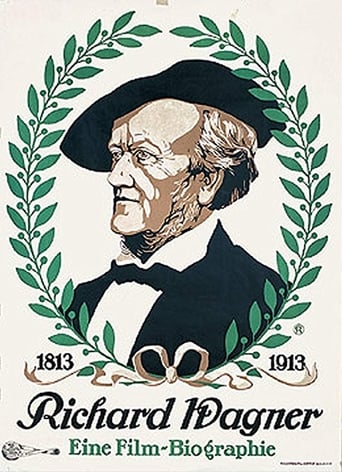
- Appeared in The Life and Works of Richard Wagner (1913), an early screen production associated with the famous composer
- Worked as both performer and production figure during the formative years of German genre cinema
- Contributed to the rise of named-screen personas that could anchor multiple films and attract repeat audiences
Roles
- Stuart Webbs, the detective protagonist of the Stuart Webbs mystery series
Films
- The Life and Works of Richard Wagner (1913)
- Stuart Webbs mystery films
Collaborators
- Early German silent-film writers and producers associated with detective and mystery pictures
- Creative teams behind the Stuart Webbs series
Studios
- German early film production companies associated with the Stuart Webbs series
Notes
- He is best remembered for Stuart Webbs, a detective character whose name was deliberately modeled on Sherlock Holmes-style popularity.
- Reicher worked at a time when actors often doubled as writers, producers, and creative brand-builders.
- His filmography is relatively small and difficult to reconstruct because many silent films from the era are lost or incompletely archived.
- He represents an early example of a performer identified with a recurring screen role rather than a wide variety of parts.
- His known screen work sits at the crossroads of literary adaptation, genre innovation, and early film serial culture.
- He was born in Berlin, placing him within one of the key centers of German theatrical and film culture.
- The Life and Works of Richard Wagner (1913) shows that he also appeared in productions connected to major German cultural subjects, not only detective fare.
Questions
Who was Ernst Reicher?
Ernst Reicher was a German silent-era actor, screenwriter, and producer best known for creating and portraying the detective Stuart Webbs. He is an important figure in early German genre cinema, especially for helping develop the recurring detective-film format.
What films is Ernst Reicher best known for?
He is best known for the Stuart Webbs mystery films and for his appearance in The Life and Works of Richard Wagner (1913). His detective series is the core of his surviving reputation in film history.
When was Ernst Reicher born and when did he die?
Ernst Reicher was born on September 10, 1869, in Berlin, German Empire. He died on March 27, 1940.
What awards did Ernst Reicher win?
No major awards or formal honors are widely documented for Ernst Reicher in standard reference sources. His importance is chiefly historical, based on his role in early silent-film detective cinema.
What was Ernst Reicher's acting style?
His acting style reflected silent-era conventions, with expressive facial acting and clear gesture designed for visual storytelling. In his best-known role as Stuart Webbs, he projected calm intelligence and investigative authority rather than broad melodrama.
What is Ernst Reicher's legacy in film history?
Reicher's legacy lies in helping establish the recurring screen detective as a popular film type in Germany. He is remembered as an early performer-producer who helped shape the serial mystery format and the modern idea of a repeatable cinematic character.