Films
1 film
About Fritz Schulz
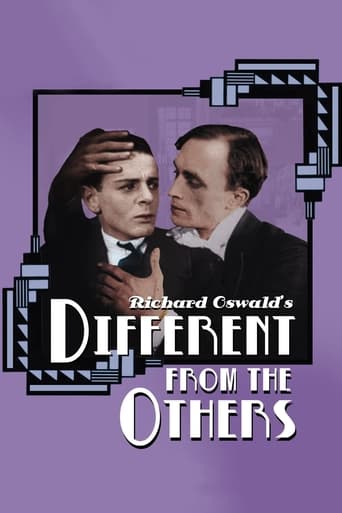
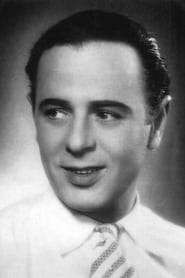
German actor who worked during the silent film era, with his known career concentrated around 1919. Fritz appears in the German film 'Different from the Others' (Anders als die Andern), which was notable for being one of the first films to sympathetically portray homosexuality. The film was directed by Richard Oswald and starred Conrad Veidt in the lead role. Schulz played a supporting role in this historically significant production, which was part of Oswald's series of 'enlightenment films' (Aufklärungsfilme) that addressed social taboos. Unfortunately, like many actors from this very early period of cinema, detailed records of Schulz's life and career are scarce, and his filmography appears to have been brief. His participation in this film places him within the context of Weimar Germany's progressive artistic movement, though his personal story remains largely undocumented in film history archives.
The Craft
Milestones
- Appeared in 'Different from the Others' (1919), one of the first sympathetic portrayals of homosexuality in cinema
Best Known For
Must-See Films
Working Relationships
Worked Often With
Why They Matter
Impact on Culture
Fritz Schulz's contribution to cinema, while seemingly limited to a brief period in 1919, is culturally significant through his participation in 'Different from the Others.' This film was groundbreaking for its time, representing one of the earliest attempts to portray homosexual characters with sympathy and understanding rather than as caricatures or villains. The film was part of a progressive movement in Weimar Germany that addressed social taboos through cinema, and though many copies were destroyed by the Nazis, its surviving fragments remain historically important. Schulz, as part of this production, contributed to a film that was decades ahead of its time in addressing LGBTQ+ representation in mainstream cinema.
Lasting Legacy
Fritz Schulz's legacy is intrinsically tied to his participation in 'Different from the Others,' a film that has gained historical significance as an early example of LGBTQ+ representation in cinema. While his personal career may not have been extensive or well-documented, his contribution to this work ensures his place in film history. The film itself has become a subject of academic study and restoration efforts, with surviving fragments preserved in film archives. Schulz represents the many actors from the silent era whose individual stories may be lost to time but whose collective work helped shape the early development of cinema as an art form capable of addressing complex social issues.
Who They Inspired
Due to the limited documentation of Fritz Schulz's career and the brevity of his known film work, it is difficult to trace his direct influence on other actors or filmmakers. However, his participation in 'Different from the Others' places him within the influential circle of progressive German filmmakers of the Weimar period. The film itself influenced later generations of filmmakers addressing LGBTQ+ themes, though Schulz's individual contribution to this influence remains part of the broader collaborative effort rather than a distinct personal legacy.
Off Screen
Very little is documented about Fritz Schulz's personal life, which is not uncommon for supporting actors from the silent era whose careers were brief and occurred over a century ago.
Did You Know?
- 'Different from the Others' was partially funded by Magnus Hirschfeld, a prominent sexologist and LGBTQ+ rights advocate
- The film was heavily censored and many copies were destroyed by the Nazis in the 1930s
- Only fragments of the original film survive today, preserved in various film archives
- The film was part of director Richard Oswald's series of 'enlightenment films' addressing social taboos
- Conrad Veidt, the film's star, later became famous for his role as Major Strasser in 'Casablanca' (1942)
- The film's co-writer was also Magnus Hirschfeld, making it one of the earliest films written by a sexologist
- The film was banned shortly after its release but continued to be shown in special screenings for medical and legal professionals
- Schulz's role in the film, like many supporting actors from this period, is not well-documented in surviving film credits
Frequently Asked Questions
Who was Fritz Schulz?
Screen credits include the 1919 film 'Different from the Others.' His known career was brief and primarily concentrated in 1919, with limited documentation available about his life and work beyond this significant film appearance.
What films is Fritz Schulz best known for?
Titles linked here include Different from the Others (1919).
When was Fritz Schulz born and when did he die?
Unfortunately, specific birth and death dates for Fritz Schulz are not documented in available historical records, which is not uncommon for supporting actors from the very early period of cinema.
What awards did Fritz Schulz win?
There are no documented awards or honors for Fritz Schulz, which is typical for many actors from the silent era whose careers were brief and occurred before the establishment of major film award ceremonies.
What was Fritz Schulz's acting style?
Due to the limited surviving documentation about Fritz Schulz's career and the fragmentary nature of his only known film, specific details about his acting style are not available in historical records.
Why is 'Different from the Others' historically significant?
'Different from the Others' is historically significant as one of the first films to sympathetically portray homosexuality and as part of Weimar Germany's progressive cinema movement. The film addressed social taboos and was decades ahead of its time in LGBTQ+ representation, though many copies were destroyed by the Nazis.
What happened to 'Different from the Others' after its release?
The film faced censorship shortly after its 1919 release and many copies were destroyed by the Nazis in the 1930s. Only fragments survive today, preserved in various film archives, making it a rare example of early LGBTQ+ cinema.