
Liane Haid
Actor
Born: August 16, 1900 in Vienna, Austria-Hungary (now Austria) Died: November 28, 2000 Active: 1915-1953 Birth Name: Juliane Haid
Films
3 films

About Liane Haid
Liane Haid was one of Austria's first major film stars and a figure in European cinema during the silent era and early sound period. Born Juliane Haid in Vienna, she began her career as a dancer at the Vienna Opera before transitioning to film in 1915. Her breakthrough came with the 1919 film 'The Ancestress' (Die Ahnfrau), which established her as a leading lady in Austrian cinema. Throughout the 1920s, she became popular and highest-paid actresses in German-language cinema, starring in numerous successful films including 'Lady Hamilton' (1921). Haid successfully transitioned to talkies and continued her career through the 1930s, working with prominent directors of the era. Liane appears in over 90 films during her career, spanning from silent melodramas to musical comedies. After World War II, she gradually reduced her film appearances and made her final screen appearance in 1953. She lived to be 100 years old, dying in 2000 as one of the last surviving stars of the silent era.
The Craft
On Screen
Liane Haid was known for her expressive and emotional acting style typical of the silent era, with a particular talent for melodramatic roles. She possessed a natural screen presence and beauty that made her particularly effective in romantic and dramatic parts. Her background in dance contributed to her graceful movement and physical expressiveness on screen. As sound cinema emerged, she adapted her style to incorporate a more naturalistic approach while maintaining her star power. She was particularly adept at playing strong female characters and was equally convincing in both dramatic and comedic roles.
Milestones
- Breakthrough role in 'The Ancestress' (1919)
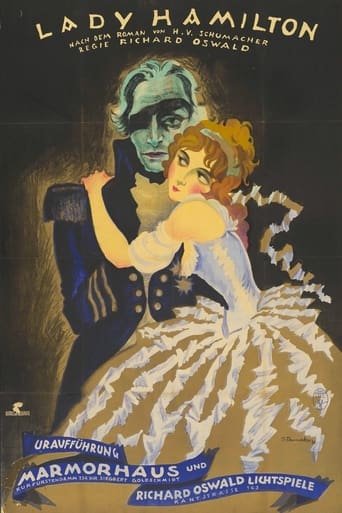
- Starred in 'Lady Hamilton' (1921)
- Became Austria's highest-paid actress in the 1920s
- Successfully transitioned from silent films to talkies
- Appeared in over 90 films throughout her career
- Worked with prominent European directors of the era
Best Known For
Iconic Roles
Must-See Films
Accolades
Won
- Honorary Award for Lifetime Achievement from Austrian Film Academy
Special Recognition
- Austrian Film Museum retrospective (1975)
- Viennale Film Festival tribute (1990)
- Honorary citizenship of Wörgl, Austria
Working Relationships
Worked Often With
Studios
Why They Matter
Impact on Culture
Liane Haid played a significant role in establishing Austrian cinema as a cultural force in the 1920s. As one of the first Austrian film stars to achieve international recognition, she helped put Austrian film production on the map alongside the more dominant German film industry. Her success demonstrated that Austrian actors and films could compete with Hollywood and German productions in international markets. Haid's career trajectory from silent films to talkies exemplified the adaptation required of actors during this transitional period in cinema history. She represented the modern, independent woman of the 1920s both on and off screen, embodying the changing social roles for women in post-World War I Europe.
Lasting Legacy
Liane Haid's legacy endures as one of the figures of Austrian and European cinema. She is remembered as Austria's first genuine film star, paving the way for subsequent generations of Austrian actors. Her extensive filmography provides a valuable record of European cinema's development from the silent era through the early sound period. Many of her films have been preserved and restored by film archives, allowing modern audiences to appreciate her talent and the historical significance of her work. Her longevity, living to be 100, made her a living connection to cinema's earliest days, and in her later years, she frequently participated in interviews and retrospectives about the golden age of European cinema.
Who They Inspired
Liane Haid influenced subsequent generations of Austrian and German actresses through her screen presence and professional approach to acting. Her successful transition from silent films to talkies provided a model for other actors facing the challenges of new technology. Her combination of beauty, talent, and business acumen set a standard for film stardom in European cinema. She demonstrated that Austrian actors could achieve international success without relocating to Hollywood, inspiring others to build careers in European cinema. Her work in both dramatic and musical films showed the versatility required of leading actors during this period, influencing how actresses approached their craft in the evolving film industry.
Off Screen
Liane Haid was married three times throughout her long life. Her first marriage was to Baron Fritz von Haymerle, an Austrian diplomat, which ended in divorce. She then married Hungarian film producer and director Géza von Cziffra, with whom she had a son. After their divorce, she married Swiss industrialist Hans Sturny, with whom she spent the remainder of her life. In her later years, she lived a relatively private life in Wörgl, Austria, away from the film industry. She celebrated her 100th birthday in August 2000, just three months before her death in November of that year.
Education
Trained as a dancer at the Vienna State Opera, studied ballet and classical dance from childhood
Family
- Baron Fritz von Haymerle (1920s)
- Géza von Cziffra (1926-1934)
- Hans Sturny (1936-2000)
Did You Know?
- She was one of the first Austrian actresses to achieve international stardom
- She began her career as a dancer at the Vienna State Opera at age 15
- She was the highest-paid actress in Austria during the 1920s
- She appeared in over 90 films during her career
- She successfully made the transition from silent films to talkies
- She lived to be exactly 100 years old
- She was considered Austria's answer to Hollywood stars like Mary Pickford
- She sang in several of her early sound films
- She worked with director Michael Curtiz before he moved to Hollywood
- Her son Pierre Cziffra became a film producer
- She retired from acting in 1953 but lived another 47 years
- She was featured on Austrian postage stamps in 2000 as part of a cinema commemoration series
In Their Own Words
The transition to sound was frightening for many of us, but I had always loved music and singing, so it felt natural to me
In the silent days, we had to express everything with our eyes and our bodies. It was like dancing with the camera
Being a film star in Vienna in the 1920s was magical. We were creating something entirely new
I never wanted to go to Hollywood. Austria was my home, and Austrian cinema was where my heart belonged
The secret to longevity in this business is adaptability and never losing your love for the art
Frequently Asked Questions
Who was Liane Haid?
Liane Haid was one of Austria's first major film stars and a actress of the silent era and early sound period. Born in Vienna in 1900, she appeared in over 90 films from 1915 to 1953 and was known for her work in both Austrian and German cinema. She successfully transitioned from silent films to talkies and was considered Austria's highest-paid actress during the 1920s.
What films is Liane Haid best known for?
Titles linked here include The Ancestress (1919), Lady Hamilton (1921).
When was Liane Haid born and when did she die?
Born August 16, 1900; died November 28, 2000.
What awards did Liane Haid win?
Liane Haid received an Honorary Award for Lifetime Achievement from the Austrian Film Academy. She was also honored with retrospectives at the Austrian Film Museum in 1975 and a tribute at the Viennale Film Festival in 1990. Additionally, she received honorary citizenship of Wörgl, Austria, where she spent her later years.
What was Liane Haid's acting style?
Liane Haid was known for her expressive and emotional acting style typical of the silent era, with particular talent for melodramatic roles. Her dance background contributed to her graceful movement and physical expressiveness. As sound cinema emerged, she adapted to a more naturalistic style while maintaining her star power, proving equally effective in both dramatic and comedic roles.