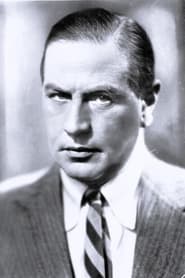
Anton Pointner
Actor
Born: December 8, 1880 in Salzburg, Austria-Hungary (now Austria) Died: September 13, 1949 Active: 1915-1949
Films
2 films
About Anton Pointner
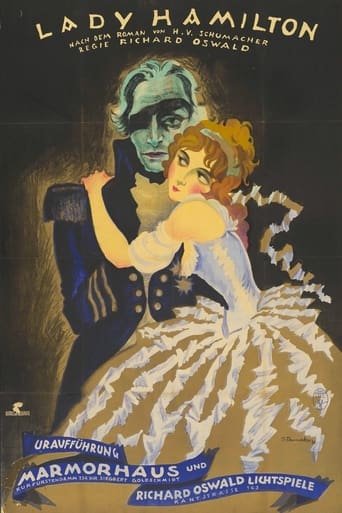
Prolific Austrian actor: three decades of European cinema, from the silent era through the early sound period. Born in Salzburg in 1880, he began his acting career on the stage before transitioning to film around 1915, quickly establishing himself as a reliable character actor in German and Austrian productions. Pointner's breakthrough came in the 1920s when he appeared in numerous significant silent films, including the historical drama 'Lady Hamilton' (1921) where he showcased his ability to embody period characters with authenticity. He successfully made the transition to sound films in the early 1930s, adapting his theatrical training to the new medium and continuing to work steadily through the Nazi era in Germany. Pointner specialized in playing authority figures, military officers, and sometimes villains, bringing gravitas and depth to even minor roles. His filmography includes over 200 appearances, making him recognizable supporting actors of his generation in German-language cinema. Despite his prolific output, he remained primarily a character actor rather than a leading man, finding success in his ability to elevate any production through his craft. Pointner continued acting until his death in 1949, leaving behind a substantial body of work that documents the evolution of German cinema from its golden age through wartime.
The Craft
On Screen
Pointner was known for his commanding presence and authoritative demeanor, often bringing theatrical gravitas to his film roles. His acting style was rooted in classical stage training, characterized by clear diction, precise gestures, and the ability to convey complex emotions through subtle facial expressions. He excelled at portraying military officers, aristocrats, and figures of authority, using his tall stature and resonant voice to create memorable characters. In silent films, he mastered the art of pantomime and expressive body language, while in sound films, his precise delivery and timing made him particularly effective in dialogue-heavy scenes. Pointner's approach was methodical and professional, bringing consistency and reliability to every production regardless of the role's size.
Milestones
- Stage debut in Vienna theaters (early 1900s)
- Film debut in 'Der Weg zum Glück' (1915)
- Breakthrough role in 'Lady Hamilton' (1921)
- Successful transition to sound films in early 1930s
- Appeared in over 200 films during his career
- Notable supporting roles in UFA productions
- Continued working through WWII German cinema
Best Known For
Iconic Roles
Must-See Films
Accolades
Special Recognition
- Recognized as one of Austria's most prolific character actors of the silent and early sound era
- Posthumously acknowledged for contributions to German cinema history
Working Relationships
Worked Often With
Studios
Why They Matter
Impact on Culture
Anton Pointner's career shows the journey of European actors through the dramatic changes of the first half of the 20th century. His work documents the evolution of German-language cinema from the artistic heights of the Weimar Republic through the propaganda era of the Third Reich. As a character actor who appeared consistently across different political regimes, Pointner represents the professional actors who prioritized their craft while navigating complex political landscapes. His extensive filmography provides valuable insight into the types of characters and stories that resonated with German-speaking audiences during this period. Pointner's ability to adapt from silent to sound films while maintaining his career demonstrates the technical and artistic flexibility required of actors during this transformative era in cinema history.
Lasting Legacy
Anton Pointner's legacy lies in his substantial contribution to German and Austrian cinema as. With over 200 film appearances, he created a visual record of the evolution of European cinema from the silent era through WWII. His performances in historical dramas and contemporary films provide modern audiences with authentic glimpses into the acting styles and production values of early 20th century European cinema. Pointner is remembered by film historians for his professionalism and the consistent quality of his work, regardless of the size of his roles. His career serves as an important reference point for understanding the structure of the German film industry and the role of character actors in supporting the star system.
Who They Inspired
Pointner influenced subsequent generations of German character actors through his demonstration of how to build a sustainable career in supporting roles. His approach to character development and his ability to bring depth to smaller roles set a standard for professional character acting in German cinema. Younger actors studying his work learned the importance of technical precision, consistency, and the ability to serve the story regardless of personal prominence. His successful navigation of the transition from silent to sound films provided a model for other actors facing similar technological challenges in their careers.
Off Screen
Anton Pointner maintained a relatively private personal life despite his public career. He married actress Lissy Arna in 1925, though the marriage ended in divorce. He later married again, though details about his second marriage are scarce. Pointner was known as a dedicated professional who took his craft seriously, often studying his roles extensively. He lived through the tumultuous political changes in Austria and Germany, including the Anschluss of Austria by Nazi Germany, and managed to continue working throughout these periods. His later years were spent in Garmisch-Partenkirchen, Germany, where he died at the age of 68.
Education
Trained at acting conservatories in Vienna, receiving classical theatrical education in the early 1900s
Family
- Lissy Arna (1925-1930)
- Second wife (dates unavailable)
Did You Know?
- Appeared in over 200 films during his 34-year career
- Successfully transitioned from silent films to talkies
- Often typecast as military officers due to his authoritative bearing
- Worked continuously through both WWI and WWII
- Was a stage actor before entering films
- Spoke with a distinctive Viennese accent that added authenticity to his roles
- Worked with many of the major directors of German cinema
- His film 'Lady Hamilton' (1921) was
- Continued acting until shortly before his death
- Was particularly popular in historical costume dramas
In Their Own Words
The art of acting lies not in the size of the role, but in the depth of its truth
Every character, no matter how small, deserves the same respect and preparation
The stage teaches you discipline; the camera teaches you subtlety
Frequently Asked Questions
Who was Anton Pointner?
Screen credits include over 200 films from 1915 to 1949, working primarily in German and Austrian cinema. He was known for his authoritative presence and often played military officers, aristocrats, and other figures of authority in both silent and sound films.
What films is Anton Pointner best known for?
Titles linked here include Lady Hamilton (1921), Der Kongreß tanzt (1931).
When was Anton Pointner born and when did he die?
Born December 8, 1880; died September 13, 1949.
What awards did Anton Pointner win?
While Anton Pointner did not receive major formal awards during his lifetime, he was posthumously recognized for his significant contributions to German cinema as.
What was Anton Pointner's acting style?
Pointner's acting style was characterized by classical theatrical training, bringing gravitas and authority to his roles. He excelled at portraying figures of power with commanding presence, precise diction, and subtle emotional expression, successfully adapting his stage-honed techniques to both silent and sound films.