Films
2 films
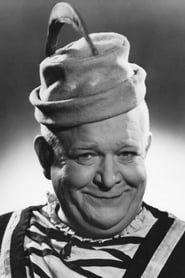
About Harald Madsen
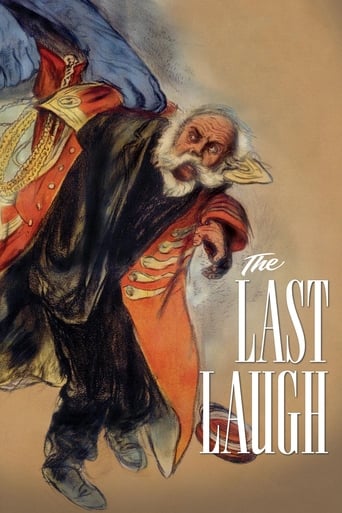
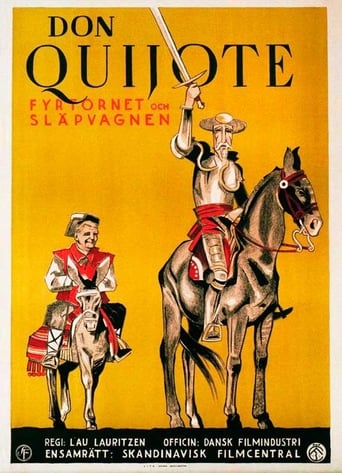
Harald Madsen worked on one surviving credit: The Last Laugh (1924). His career, though brief, saw him appear in several notable German productions during the golden age of German cinema. Madsen's most recognized work came through his collaborations with prominent directors of the Weimar period, including his appearance in F.W. Murnau's acclaimed masterpiece 'The Last Laugh' (1924). His role in 'Don Quixote' (1927) further demonstrated his versatility as a character actor during the transition period from silent to sound films. Despite his appearances in significant productions, Madsen's filmography remained limited to the 1924-1927 period, after which he seemingly disappeared from the film industry. Like many supporting actors of the silent era, much of his personal history and career details remain obscure, with documentation primarily existing through his film credits rather than comprehensive biographical records.
The Craft
On Screen
As a supporting actor in German silent cinema, Madsen likely employed the expressive physical acting style typical of the era, using exaggerated gestures and facial expressions to convey emotion and character without dialogue. His appearances in ensemble casts suggest he was adept at complementing lead performers while maintaining distinct character presence.
Milestones
- Appeared in F.W. Murnau's 'The Last Laugh' (1924)
- Featured in 'Don Quixote' (1927)
- Worked during the golden age of German silent cinema
Best Known For
Iconic Roles
Must-See Films
Working Relationships
Worked Often With
Studios
Why They Matter
Impact on Culture
Harald Madsen's contribution to cinema, while limited in scope, is preserved through his participation in two significant films of the German silent era. His appearance in 'The Last Laugh' places him within the context of one of cinema's most influential works, a film renowned for its technical innovations and artistic achievements. Though his role may have been minor, he was part of the creative ensemble that helped establish German cinema's international reputation during the 1920s. The preservation of these films ensures that his contribution, however small, remains part of the historical record of this pivotal period in film history.
Lasting Legacy
Harald Madsen represents the countless supporting actors who formed the backbone of silent cinema but whose individual stories have largely been lost to time. His legacy exists through the archival preservation of the films he appeared in, particularly 'The Last Laugh,' which continues to be studied and celebrated as a masterpiece of silent cinema. While he never achieved star status, his participation in these productions contributes to our understanding of the collaborative nature of filmmaking during the golden age of German cinema.
Who They Inspired
As a supporting actor with a brief career, Harald Madsen's direct influence on subsequent generations of performers appears limited. However, his work exemplifies the ensemble approach to filmmaking that characterized German cinema of the 1920s, where even minor roles contributed to the overall artistic vision of productions that would later influence filmmakers worldwide.
Off Screen
Very little documented information exists about Harald Madsen's personal life. Like many supporting actors from the silent era, his biographical details remain largely unrecorded in film history archives, with his legacy preserved primarily through his film appearances rather than personal documentation.
Did You Know?
- His entire known filmography spans only three years (1924-1927)
- Appeared in 'The Last Laugh,'
- The film 'The Last Laugh' was revolutionary for its lack of intertitles, relying purely on visual storytelling
- Like many silent era actors, his career likely ended with the transition to sound films
- Very little biographical information about him survives, making him representative of many forgotten supporting actors of the era
Frequently Asked Questions
Who was Harald Madsen?
German supporting with credits in this catalog.
What films is Harald Madsen best known for?
Titles linked here include The Last Laugh (1924), Don Quixote (1927).
When was Harald Madsen born and when did he die?
Unfortunately, specific birth and death dates for Harald Madsen are not documented in available film archives, reflecting the limited biographical information preserved for many supporting actors of the silent era.
What awards did Harald Madsen win?
There are no documented awards or nominations for Harald Madsen, which was common for supporting actors during the silent film era when formal recognition systems were less established.
What was Harald Madsen's acting style?
Madsen likely employed the expressive physical acting style typical of German silent cinema, using exaggerated gestures and facial expressions to convey character and emotion without the benefit of dialogue.